by Dwight Furrow
 Why do we value successful art works, symphonies, and good bottles of wine? One answer is that they give us an experience that lesser works or merely useful objects cannot provide—an aesthetic experience. But how does an aesthetic experience differ from an ordinary experience? This is one of the central questions in philosophical aesthetics but one that has resisted a clear answer. Although we are all familiar with paradigm cases of aesthetic experience—being overwhelmed by beauty, music that thrills, waves of delight provoked by dialogue in a play, a wine that inspires awe—attempts to precisely define “aesthetic experience” by showing what all such experiences have in common have been less than successful.
The best-known definition of aesthetic experience remains Immanuel Kant’s view that a genuine, aesthetic experience requires disinterested attention, a suspension of any personal interest one might have in the aesthetic object so we might experience it free from the distractions of desire. But perhaps Kant’s view is so well known because of the fusillade of objections launched at it over the past several centuries. It is peculiar to argue that what is distinctive about aesthetic experience is the absence of any desire to find the object appealing or satisfying.
Others have tried to define aesthetic experience in terms of the kind of properties apprehended in such an experience such as beauty, elegance, or unity. But objects that lack such properties can induce an aesthetic experience. Furthermore, the apprehension of a property is not a sufficient condition for having an aesthetic experience. We can recognize beauty or unity in an object without having a moving or distinctive experience at all, especially if one is tired, bored or preoccupied with a task. In the contemporary art world, any kind of object can be a work of art. Thus, an infinitely disparate list of properties can at least potentially provoke an aesthetic experience. It is unlikely that a definition that appeals to such a list of properties would be successful. Read more »

 The apartment in West Harlem, five buildings down on the left. The apartment just past the pawn shop, across from the Rite-Aid, parallel to the barber’s where all the pretty boys hangout waiting to get a Friday night shave. The apartment past the deli were you get cheese and pickle sandwiches and the all-night liquor store and the ATM machine no one is dumb enough to use.
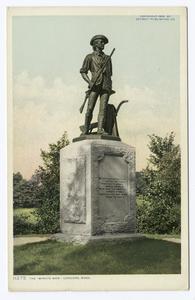 I don’t know a lot about guns.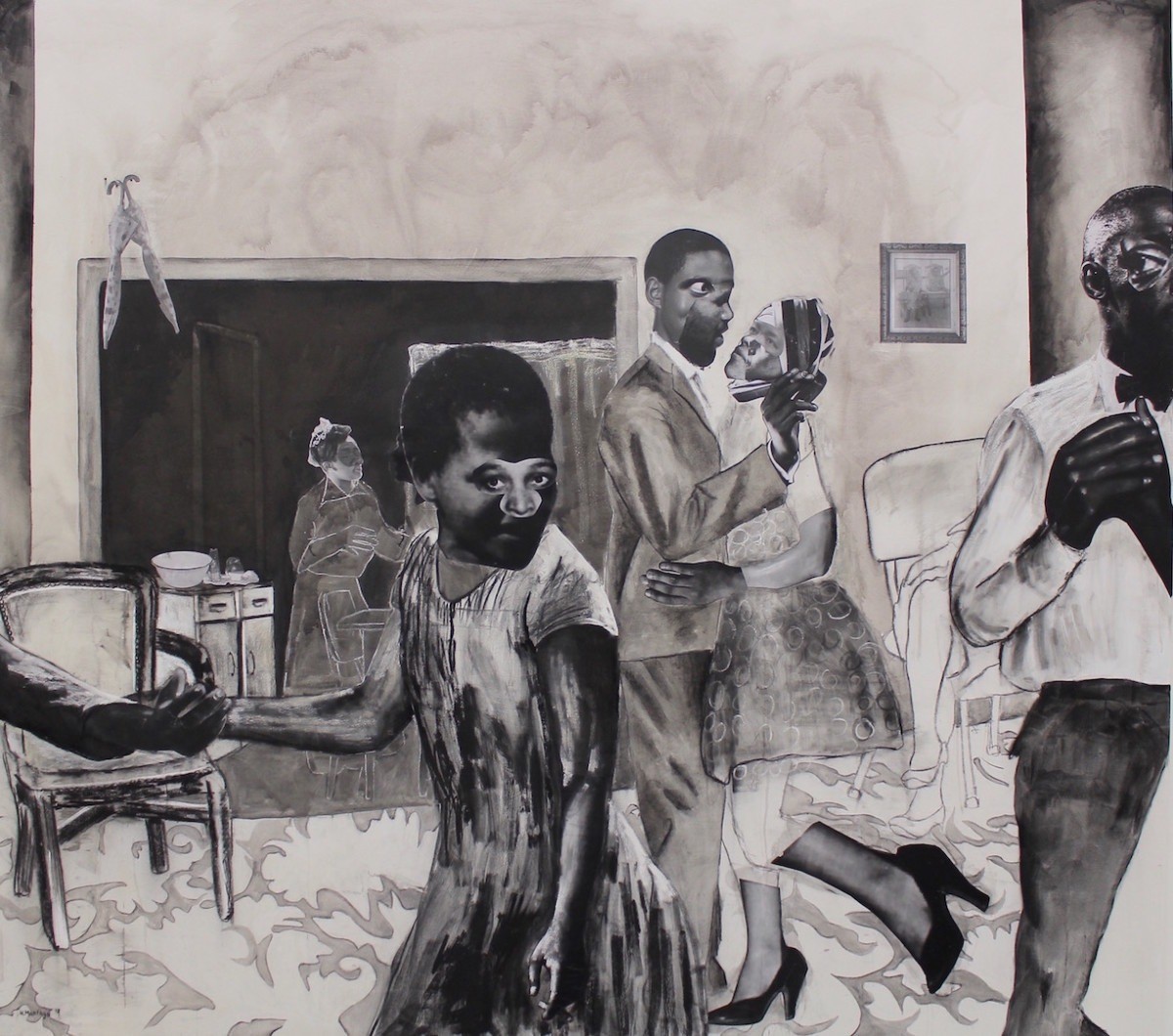


 Smacked my head on the pavement while jogging across campus in the rain. Had my hands on my stomach, holding documents in place underneath my shirt to keep them dry. So when my foot went out after skipping over a puddle, I couldn’t get my front paws down in time to brace my fall as I corkscrewed through the air, landing on my hip and shoulder, and whiplashing my head downward. Consequently I don’t have the brain power to crank out 2,000 fresh words. So here’s a dated piece about Baby Boomer navel gazing and ressentiment.
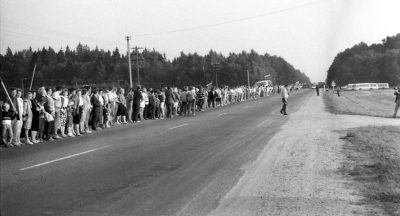 Thirty years ago this week two million people joined hands forming a human chain across 676 kilometers of Estonia, Latvia and Lithuania. Known as the
 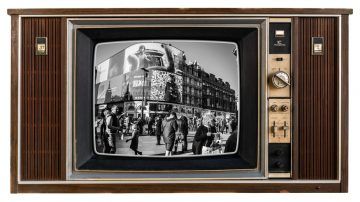 I’ve just come back from a lovely vacation in Ireland. We did a lot of driving and usually had the radio on, often to RTE, the state run station (the equivalent to the BBC in the UK). At least once an hour an advertisement would come on reminding people that they need to get a TV license, which costs 160 Euros, $177 a year. I grew up in the UK, where a license is 154.50 sterling, $187 a year, and remember the ads when I was a child that warned of the TV detector van coming around and catching people who hadn’t paid their license. Of course, that was in the days of very obvious exterior antennas on houses. When TV licenses were first issued in the UK after the second world war, they funded the single BBC channel. Even when I was a child, there were only 3 channels, then when I was a teen 4, and two of those were the BBC. In the UK today, a license is needed for any device that is
 The community of philosophers is mourning the loss of Barry Stroud, one of the great philosophers of the past half-century, who died on Friday, August 9 of brain cancer. Stroud earned his B.A. from the University of Toronto and his Ph.D. from Harvard University. From 1961 he taught at the University of California, Berkeley, where I knew him during my time as a graduate student there.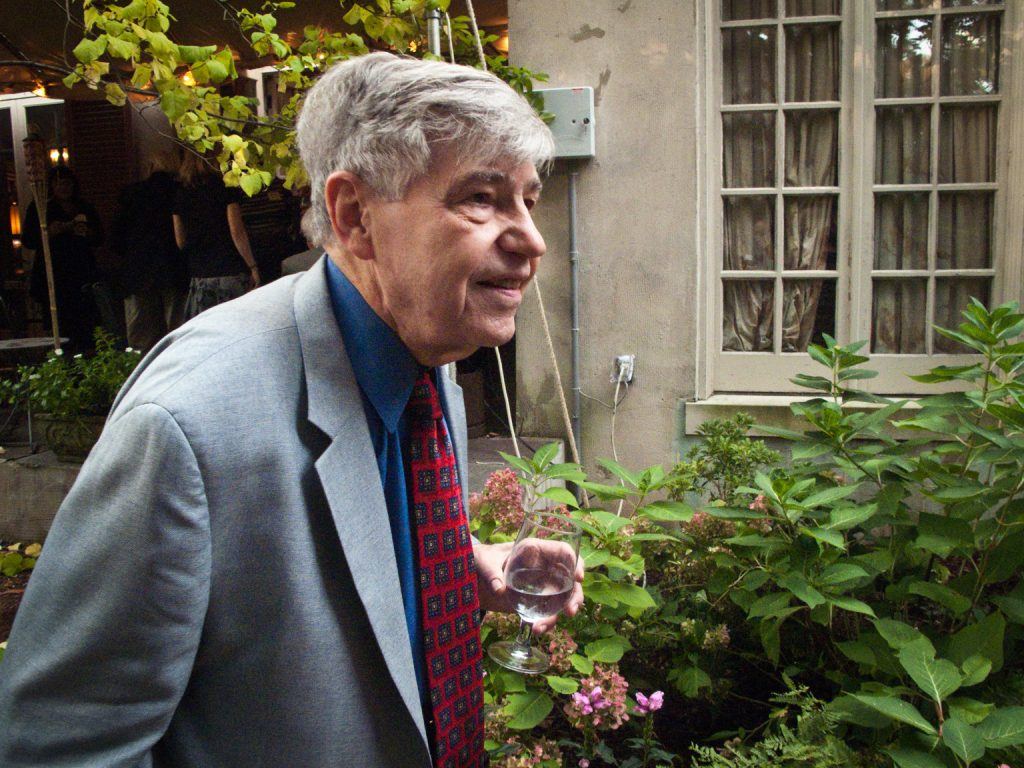

 I live and work in two different cities; on the commute, I continuously ask my phone for advice: When’s the next train? Must I take the bus, or can I afford to walk and still make the day’s first meeting? I let my phone direct me to places to eat and things to see, and I’ll admit that for almost any question, my first impulse is to ask the internet for advice.