
by Akim Reinhardt
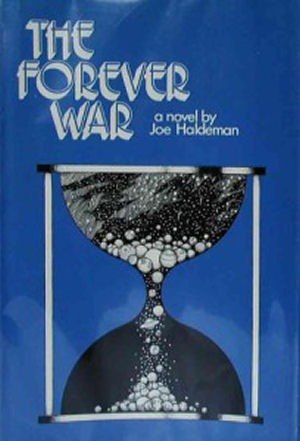 In 1974, noted science fiction author Joe Haldeman published a novel called The Forever War, which won several awards and spawned sequels, a comic version, and even a board game. The Forever War tells the story of William Mandella, a young physics student drafted into a war that humans are waging against an alien race called the Taurans. The Taurans are thousands of light years away, and traveling there and back at light speed leads Mandella and other soldiers to experience time differently. During two years of battle, decades pass by on Earth. Consequently, the world Mandella returns to each time is increasingly different and foreign to him. He eventually finds his home planet’s culture unrecognizable; even English has changed to the point that he can no longer understand it.
Born in 1943, Joe Haldeman is a Vietnam War veteran. He was drafted in 1967, served two years as a combat engineer, and earned a Purple Heart. Many have speculated that the disaffection William Mandella experiences upon returning home from war reflects Haldeman’s own alienation after Vietnam. But there is another element of The Forever War that has recently proven timely 45 years after its initial publication: its title.
The Donald Trump administration appears to be ramping up for a possible war with Iran even as the ongoing wars in Iraq and Afghanistan enter their sixteenth year, and the United States maintains a more indirect but important role in wars in Somalia, Syria, Yemen, and Lybia. Indeed, just yesterday, Vice President Mike Pence informed members of the West Point Military Academy graduating class that “it is a virtual certainty that you will fight on a battlefield for America at some point in your life.” Read more »

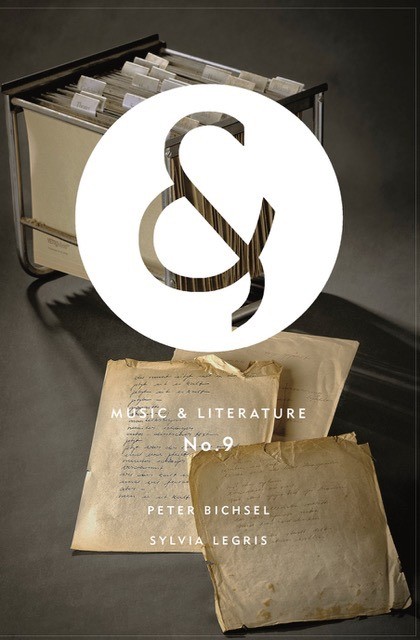 Madeleine LaRue: It did turn out to be pretty mammoth! How about I tell you, by way of introduction, about the first time I met Bichsel in person. He’d come to read at the Literarisches Colloquium in Berlin, the center of the grand old West Berlin literary establishment. It was November, it was dark and cold, and when he emerged at the back of the room and started walking up toward the stage, wearing the same black leather vest he’s been wearing for the past forty years, I think we were all a little worried about him. He was eighty-two then, and he looked exhausted. It had been a while since he’d been on such an extensive reading tour outside of Switzerland. He got to the stage and settled into his chair. The moderator welcomed him and asked how it felt to be back in Berlin—a simple question, a nice, easy opener. Bichsel still seemed tired, but as he leaned back and said, very slowly, in his lilting Swiss accent, “Ja, ja, Berlin,” his eyes lit up and he launched into a story about his first time in the city, in the early 1960s, and how he got caught in the middle of a bar fight with some people! Who turned out to be Swiss! And they all got thrown out onto the street together, and he’ll never forget it! And ja, ja, Berlin—and from his very first word, we all became like delighted children at Grandfather’s feet, totally enraptured, utterly unwilling to go to bed until we’d heard just one more story, pleeeease? And he himself became younger, full of life, charming and hilarious and genuine and profound.
 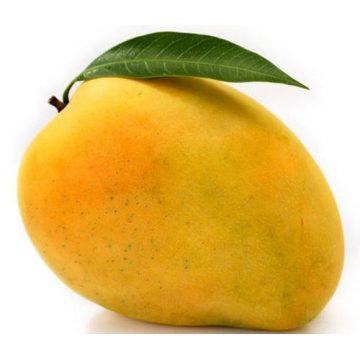 Having before you an iced mango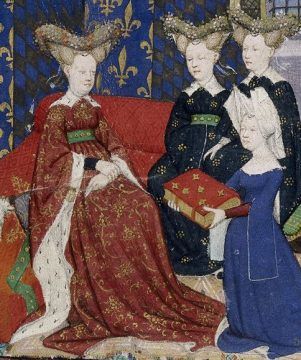



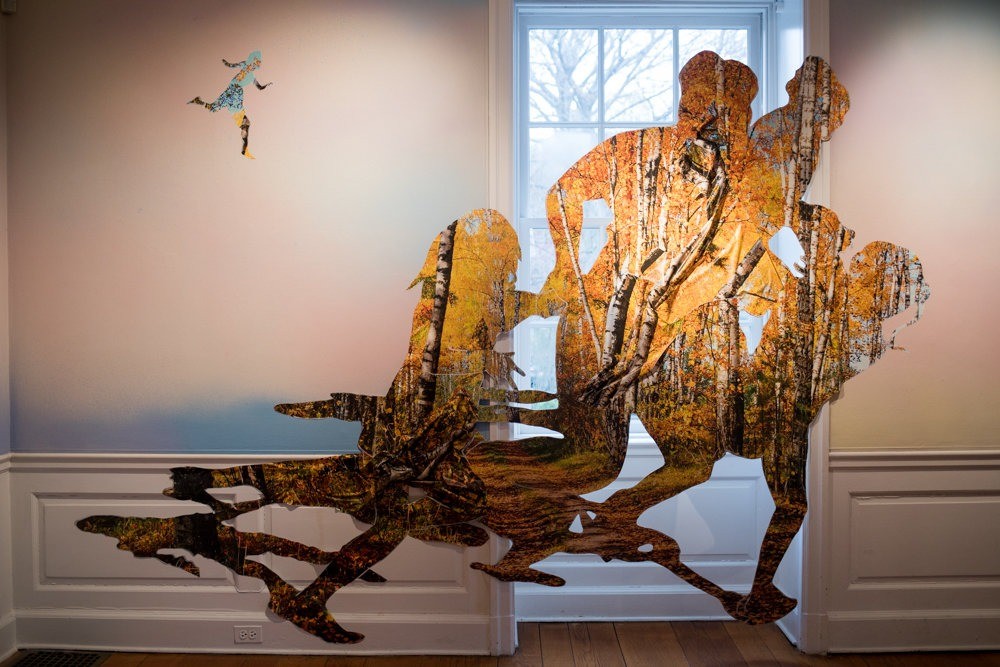
 I don’t know anything about music. I make art, and like many artists I listen to music while working. Nearly every kind of music, but mostly metal for those time-to-get-serious moments. Atmospheric black metal with little discernible speech tends to work best, because it provides a setting such that one can become lost in the droning distortions when working on something. The music I like to hear is that which Kant would endorse as sublime – enormous walls of sound that result in a distractedness where one can go undeterred by outside forces. Of course an fMRI could show what is happening in the brain, what psychically galvanizes me while I listen to music in those moments, but I’m less interested in what’s happening to me as much as what’s happening to it: what happens to artworks when produced to a soundtrack?
 On a whim I decided to visit the gently sloping hill where the universe announced itself in 1964, not with a bang but with ambient, annoying noise. It’s the static you saw when you turned on your TV, or at least used to back when analog TVs were a thing. But today there was no noise except for the occasional chirping of birds, the lone car driving off in the distance and a gentle breeze flowing through the trees. A recent trace of rain had brought verdant green colors to the grass. A deer darted into the undergrowth in the distance.