
by Ali Minai
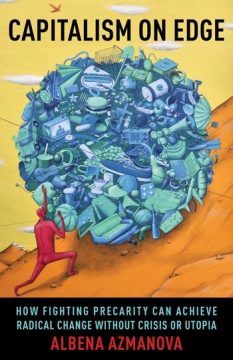 I must admit that when I first flipped through Capitalism on Edge: How Fighting Precarity Can Achieve Radical Change Without Crisis or Utopia by Albena Azmanova, it did not look too inviting. The blurbs on the jacket did nothing to reassure me, suggesting that this was yet another post-Marxist critique of greedy capitalists and their enablers. As it turns out, it is, but in a way that is more interesting than I had assumed. As soon as I started reading the Introduction, I was gripped by the lucidity of ideas and clarity of the prose. For an academic text written from the perspective of Critical Theory, this is a wonderfully direct, incisive and insightful book. One does not need to agree with all the details of the analysis to find reading it a rewarding experience.
Dr. Azmanova is Reader of Political and Social Thought at the University of Kent’s Brussels School of International Studies in Bristol, UK. She has written extensively on politics, economics, democracy, and social justice. The book is motivated by an issue that is on many minds, is the subject of many books, and has motivated recent movements such as the Occupy Movement, the Yellow Vests, and Sen. Bernie Sanders’ presidential campaign. It can be expressed concisely in terms of three intertwined questions: 1) Has capitalism led to a society that is unjust and extremely unequal? 2) Is the rise of (mostly) right-wing populism a response to this? And 3) Will this spell the end of capitalism? Her answers to these questions are: 1. Yes; 2. In part, but it’s deeper than that; and 3. Capitalism isn’t dying – just entering another phase unless we do something about it. The rest of the book is mainly about that third – most interesting – answer, and develops the idea of “precarity capitalism” – a capitalism that is all about living on the edge. Or many edges. Read more »
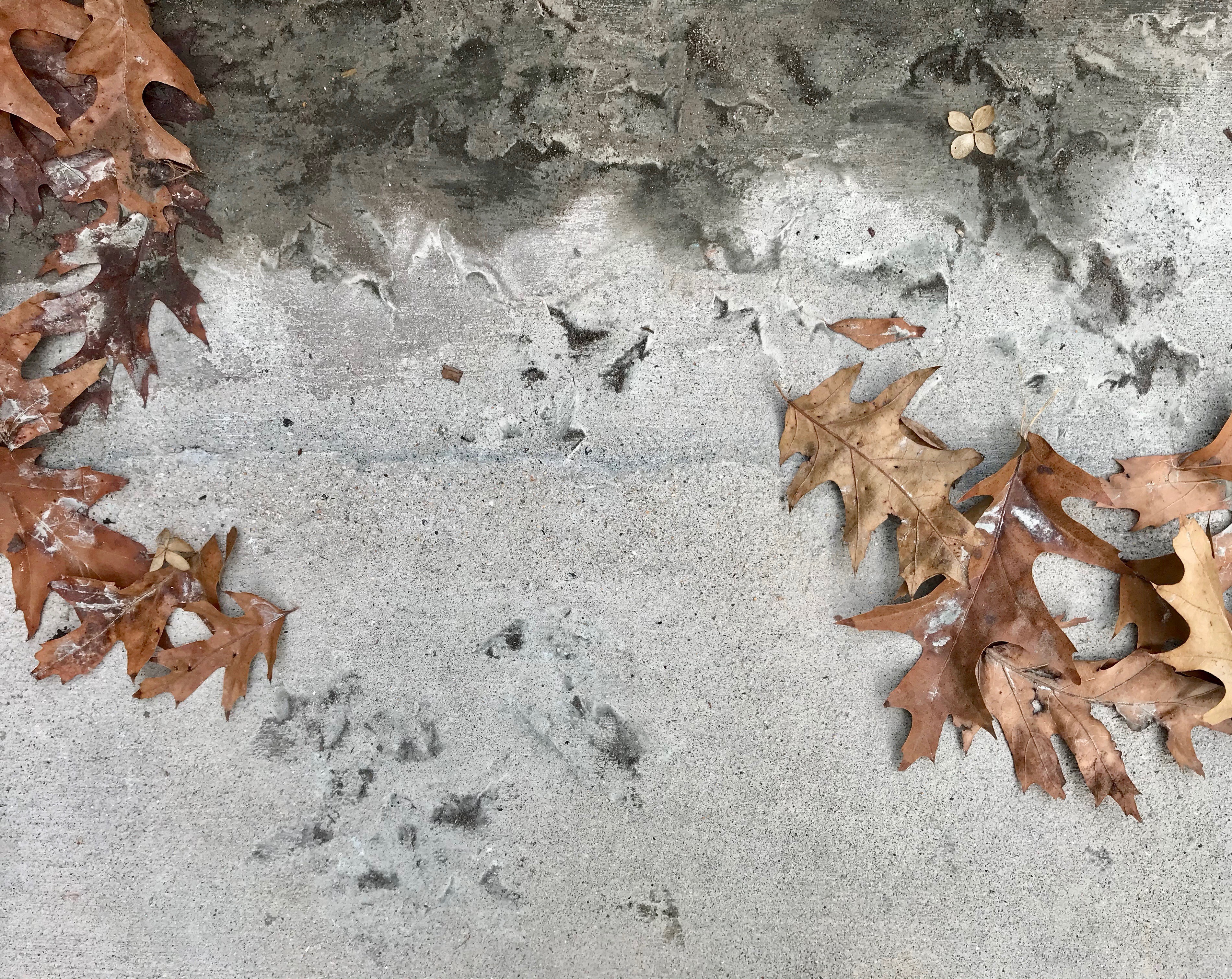 Sughra Raza. Mid-winter Fall. February 2020.
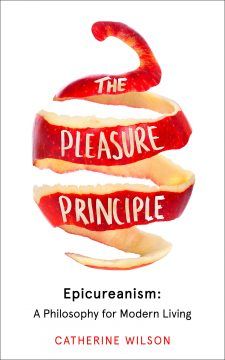 If you, like me, have read premodern philosophers not just for antiquarian interest but also as possible sources of wisdom, you will probably have felt a certain awkwardness. Looking for guidance or assistance in ordering our own beliefs, attitudes and actions, we inevitably run into the problem that the great thinkers of the past knew nothing about what our world would look like.

 Being a horrible person is all the rage these days. This is, after all, the Age of Trump. But blaming him for it is kinda like blaming raccoons for getting into your garbage after you left the lid off your can. You had to spend a week accumulating all that waste, put it into one huge pile, and then leave it outside over night, unguarded and vulnerable. A lot of time and energy went into creating these delectable circumstances, and now raccoons just bein’ raccoons.
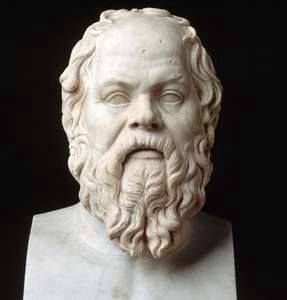 Socrates, snub-nosed, wall-eyed, paunchy, squat,


 Over the past week, Pakistan has been consumed by the Aurat (Women’s) March, which was held today, March 8, International Women’s Day, in all the major cities of the country. The march’s aim is to highlight the continued discrimination, inequality, and harassment suffered by women. There are some people against it who argue that the march should not be allowed, but the Islamabad High Court has rejected the petition that asked for its cancellation. So the march happened.