by Ashutosh Jogalekar
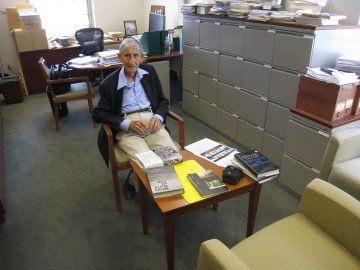
On February 28th this year, the world lost a remarkable scientist, thinker, writer and humanist, and many of us also lost a beloved, generous mentor and friend. Freeman Dyson was one of the last greats from the age of Einstein and Dirac who shaped our understanding of the physical universe in the language of mathematics. But what truly made him unique was his ability to bridge C. P. Snow’s two cultures with aplomb, with one foot firmly planted in the world of hard science and the other in the world of history, poetry and letters. Men like him come along very rarely indeed, and we are poorer for his absence.
The world at large, however, knew Dyson not only as a leading scientist but as a “contrarian”. He didn’t like the word himself; he preferred to think of himself as a rebel. One of his best essays is called “The Scientist as Rebel”. In it he wrote, “Science is an alliance of free spirits in all cultures rebelling against the local tyranny that each culture imposes on its children.” The essay describes pioneers like Kurt Gödel, Albert Einstein, Robert Oppenheimer and Francis Crick who cast aside the chains of conventional wisdom, challenging beliefs and systems that were sometimes age-old, beliefs both scientific and social. Dyson could count himself as a member of this pantheon.
Although Dyson did not like to think of himself as particularly controversial, he was quite certainly a very unconventional thinker and someone who liked to go against the grain. His friend and fellow physicist Steven Weinberg said that when consensus was forming like ice on a surface, Dyson would start chipping away at it. In a roomful of nodding heads, he would be the one who would have his hand raised, asking counterfactual questions and pointing out where the logic was weak, where the evidence was lacking. And he did this without a trace of one-upmanship or wanting to put anyone down, with genuine curiosity, playfulness and warmth. His favorite motto was the founding motto of the Royal Society: “Nullius in verba”, or “Nobody’s word is final”. Read more »
 Sughra Raza. Mid-winter Fall. February 2020.
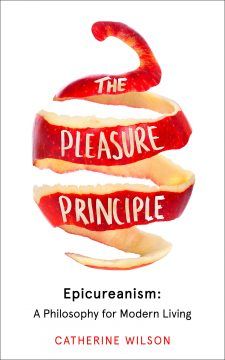 If you, like me, have read premodern philosophers not just for antiquarian interest but also as possible sources of wisdom, you will probably have felt a certain awkwardness. Looking for guidance or assistance in ordering our own beliefs, attitudes and actions, we inevitably run into the problem that the great thinkers of the past knew nothing about what our world would look like.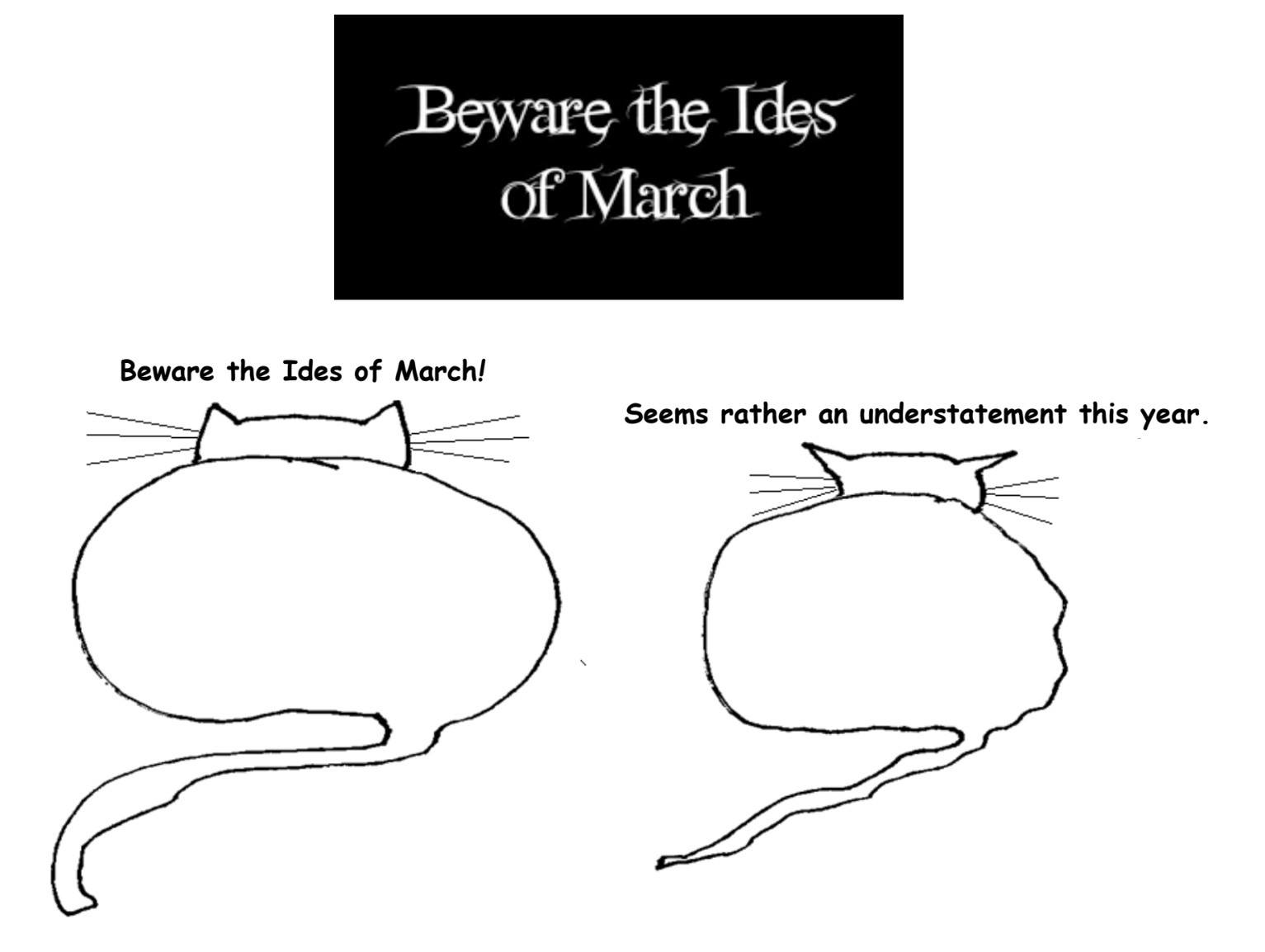
 Being a horrible person is all the rage these days. This is, after all, the Age of Trump. But blaming him for it is kinda like blaming raccoons for getting into your garbage after you left the lid off your can. You had to spend a week accumulating all that waste, put it into one huge pile, and then leave it outside over night, unguarded and vulnerable. A lot of time and energy went into creating these delectable circumstances, and now raccoons just bein’ raccoons.
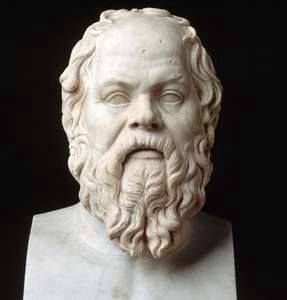 Socrates, snub-nosed, wall-eyed, paunchy, squat,

 Over the past week, Pakistan has been consumed by the Aurat (Women’s) March, which was held today, March 8, International Women’s Day, in all the major cities of the country. The march’s aim is to highlight the continued discrimination, inequality, and harassment suffered by women. There are some people against it who argue that the march should not be allowed, but the Islamabad High Court has rejected the petition that asked for its cancellation. So the march happened.
 During a recent visit to Paris, I squeezed through the crowded bookshelves of the famous Shakespeare and Company bookstore, a stone’s throw from Notre Dame, whose charred heights sat masked in scaffolding just across the Seine. It has become something of a Parisian tourist hotspot, mostly because of its association with our favorite Modernist expat writers, immortalized and gilded in a cosmopolitan, angsty, and glamorous mystique through the canonization of their works and, some might argue, the award-winning Woody Allen film Midnight in Paris.