by Fabio Tollon
It is natural to assume that technological artifacts have instrumental value. That is, the value of given technology lies in the various ways in which we can use it, no more, and no less. For example, the value of a hammer lies in our ability to make use of it to hit nails into things. Cars are valuable insofar as we can use them to get from A to B with the bare minimum of physical exertion. This way of viewing technology has immense intuitive appeal, but I think it is ultimately unconvincing. More specifically, I want to argue that technological artifacts are capable of embodying value. Some argue that this value is to be accounted for in terms of the designed properties of the artifact, but I will take a different approach. I will suggest that artifacts can come to embody values based on their affordances.
Before doing so, however, I need to convince you that the instrumental view of technology is wrong. While some technological artifacts are perhaps merely instrumentally valuable, there are others that are clearly not so There are two ways to see this. First, just reflect on all the ways which technologies are just tools waiting to be used by us but are rather mediators in our experience of reality. Technological artifacts are no longer simply “out there” waiting to be used but are rather part of who we are (or at least, who we are becoming). Wearable technology (such as fitness trackers or smart watches) provides us with a stream of biometric information. This information changes the way in which we experience ourselves and the world around us. Bombarded with this information, we might use such technology to peer pressure ourselves into exercising (Apple allows you to get updates, beamed directly to your watch, of when your friends exercise. It is an open question whether this will encourage resentment from those who see their friends have run a marathon while they spent the day on the couch eating Ritter Sport.), or we might use it to stay up to date with the latest news (by enabling smart notifications). In either case, the point is that these technologies do not merely disclose the world “as it is” to us, but rather open up new aspects of the world, and thus come to mediate our experiences. Read more »





 We think of AI as the stuff of science, but AIs are born artists. Those artistic talents are the key to their scientific power and their limitations.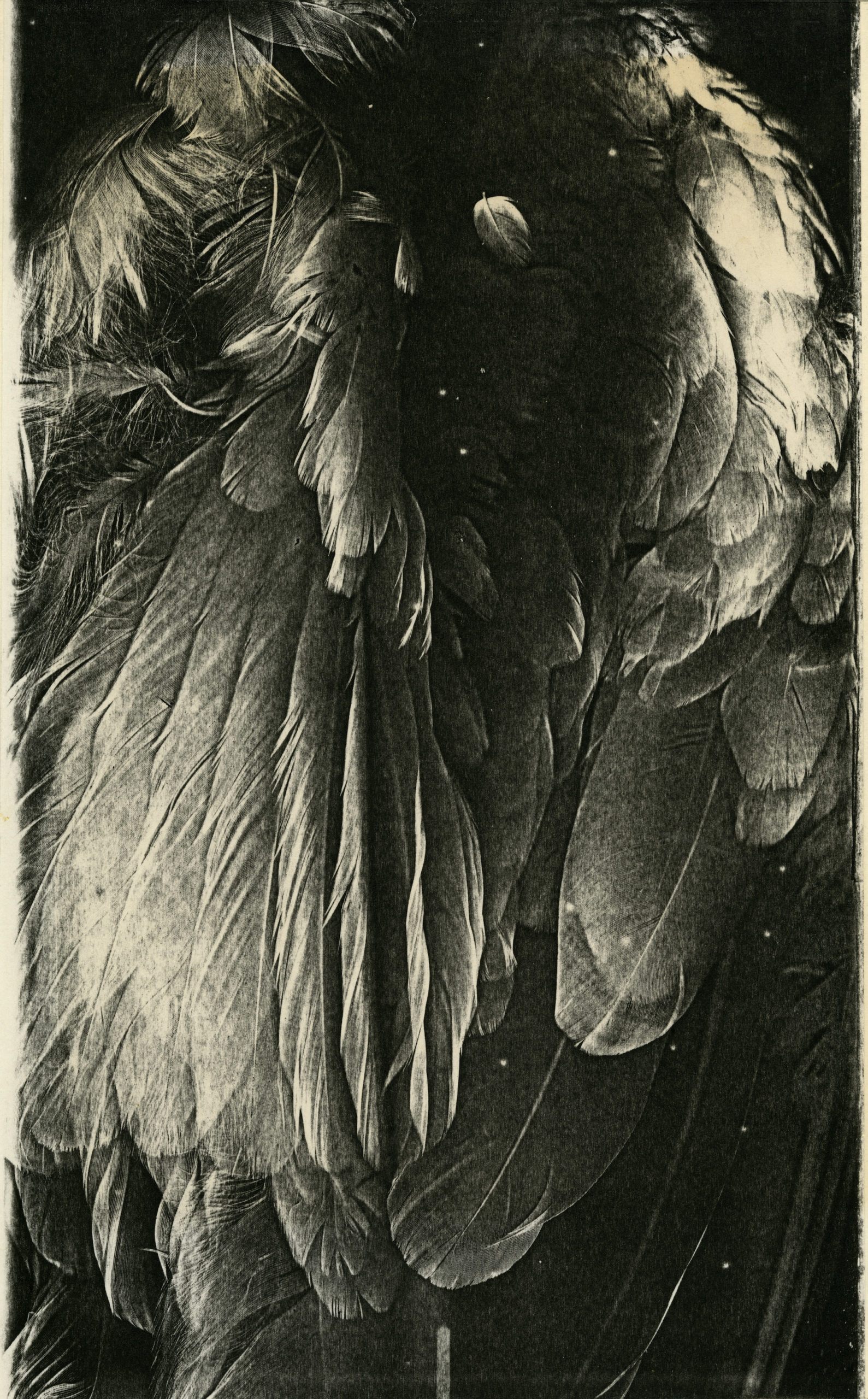

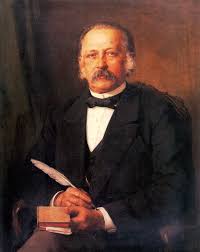 A friend, knowing that I’ve been learning German, recently sent me a volume of Theodore Fontane’s poetry. Fontane (1819-1898) is best known today for the novels that he wrote in the later part of his life. But some his poems have an affecting simplicity–a simplicity that is perhaps especially charming to those of us who are less than fluent in German. Here is one lyric that particularly caught my attention. It expresses a sentiment that seems most suitable to the present time as we approach the end of a bleak winter and, one hopes, of a devastating pandemic. Naturally, the translation takes some liberties in an attempt to retain something of the feel and spirit of the original.

 For many wine lovers, understanding wine is hard work. We study maps of wine regions and their climates, learn about grape varietals and their characteristics, and delve into various techniques for making wine, trying to understand their influence on the final product. Then we learn a complex but arcane vocabulary for describing what we’re tasting and go to the trouble of decanting, choosing the right glass, and organizing a tasting procedure, all before getting down to the business of tasting. This business of tasting is also difficult. We sip, swish, and spit trying to extract every nuance of the wine and then puzzle over the whys and wherefores, all while comparing what we drink to other similar wines. Some of us even take copious notes to help us remember, for future reference, what this tasting experience was like.