
by Mike O’Brien
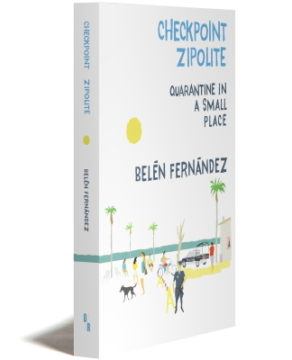
I have joked, mostly to myself, that if I ever wrote a memoir, it would be entitled “Never Gone Nowhere, Never Done Nothing: The Mike O’Brien story”. Such a lifestyle stands in near-total contraposition to that of Belén Fernández, at least in its status quo ante March 2020. Prior to that, she tells us, she had never spent more than a few months in the same place since leaving college. An American who goes to great lengths to avoid ever setting foot in America, she had arrived in Mexico on March 13 with the intention of setting off to yet another destination a few days later. Covid, of course, had other plans.
Her slim but dense (though never plodding) book, “Checkpoint Zipolite”, is a tale of forced stillness that stops her globe-trotting life in its tracks. The titular locale is, we are told, Mexico’s only clothing-optional beach, and carries the ominous and purportedly well-deserved nick-name of “Playa de la muerte“. Of course, mortality stalks around every corner in the age of Covid, so the “Beach of Death” might be as good a place as any to ride out a shelter-in-place-order. From my snowy Canadian suburb, it sounds downright idyllic.
The book is essentially a travel diary, woven through with frequent socio-political rants, personal reflections and historical factoids. There is a buzzing, over-active and effusive character to her life, her mind, and her writing, and when one outlet is blocked, it spills out through another. The repressed desire to travel is apparent in the daily minutiae (buying buckets, searching for yerba mate suppliers, negotiating space-sharing agreements with domestic insects) that serve as jumping-off points for recollections and rhetorical flights that span centuries and continents. Fernández’s life of incessant travel and political observation has provided ample material for weaving such connections, and though these digressions are conspicuous for their ubiquity, they don’t feel over-played. I could imagine many of the cited facts and events being replaced by equally poignant and entertaining substitutions from among Fernández’s own rich supply. Read more »

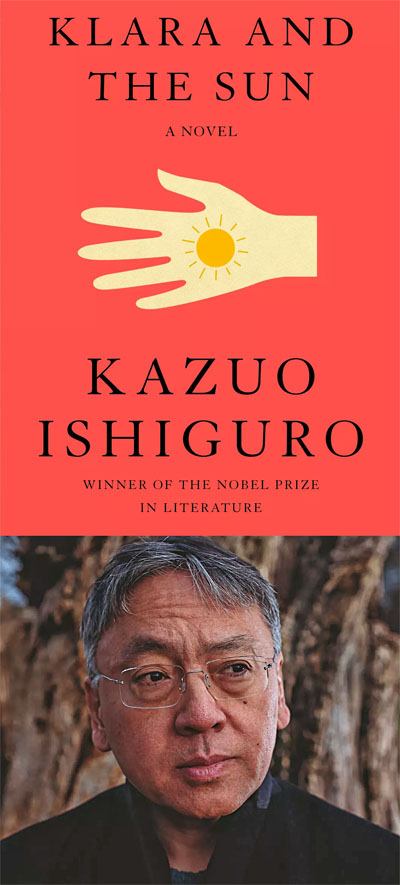 For some time, Sir Kazuo Ishiguro has been slyly replacing Dame Iris Murdoch as the author to whom I most regularly return. His enchanting and disturbing new novel, Klara and the Sun, his first since winning the 2017 Nobel Prize, is unlikely to diminish this trend. I wrote in a
  have instrumental value. That is, the value of given technology lies in the various ways in which we can use it, no more, and no less. For example, the value of a hammer lies in our ability to make use of it to hit nails into things. Cars are valuable insofar as we can use them to get from A to B with the bare minimum of physical exertion. This way of viewing technology has immense intuitive appeal, but I think it is ultimately unconvincing. More specifically, I want to argue that technological artifacts are capable of embodying value. Some argue that this value is to be accounted for in terms of the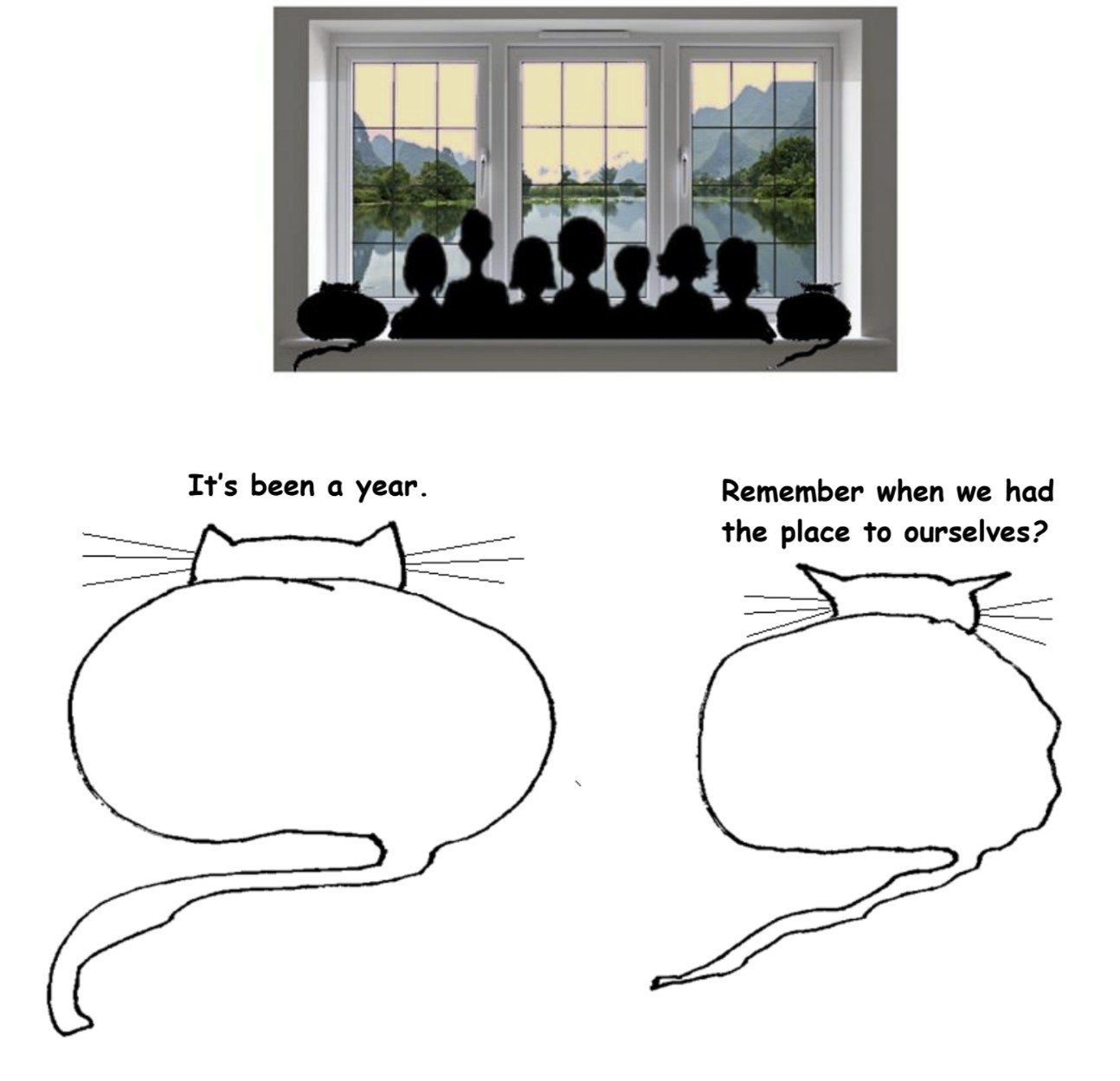





 We think of AI as the stuff of science, but AIs are born artists. Those artistic talents are the key to their scientific power and their limitations.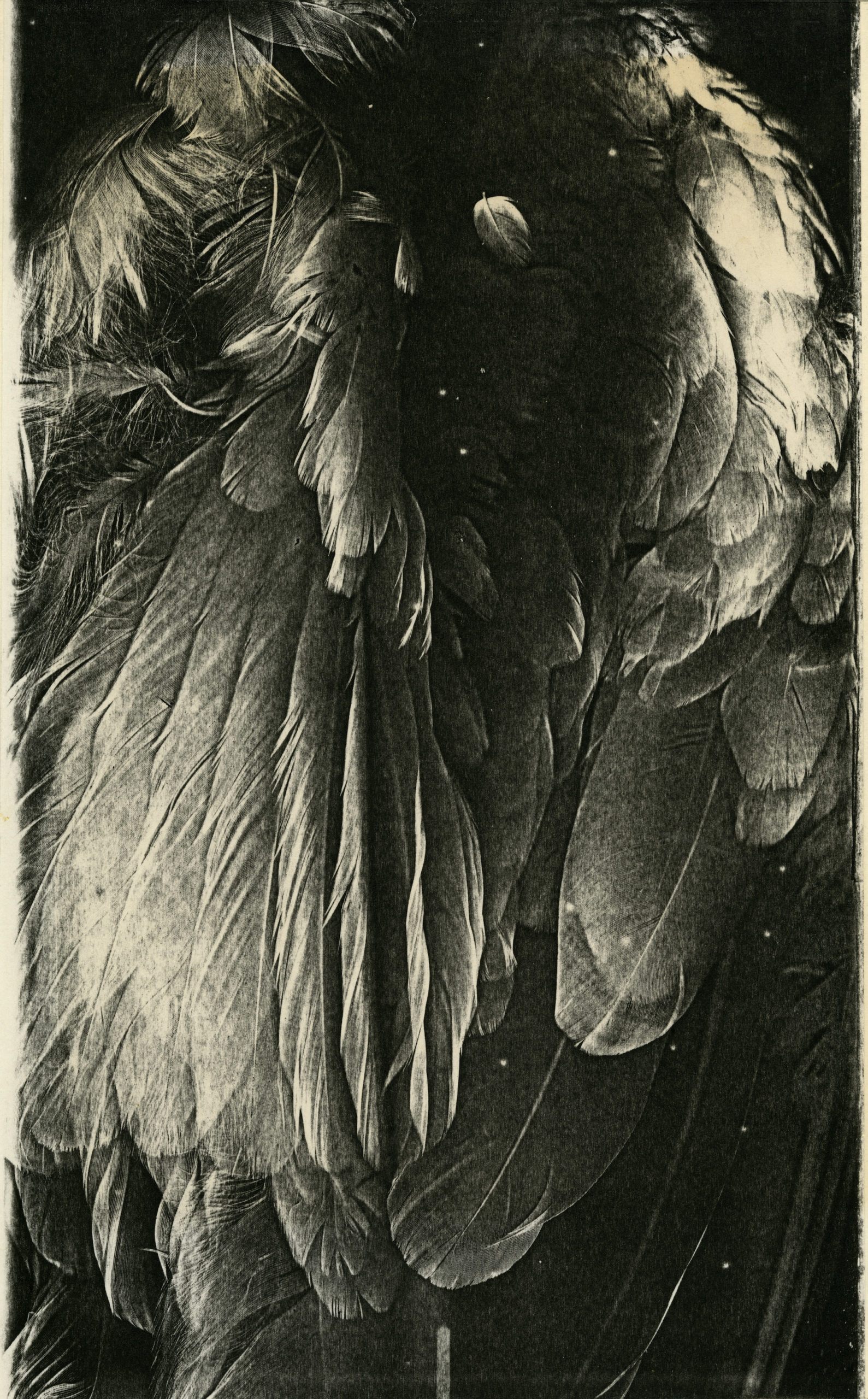
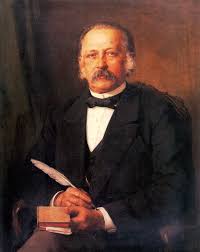 A friend, knowing that I’ve been learning German, recently sent me a volume of Theodore Fontane’s poetry. Fontane (1819-1898) is best known today for the novels that he wrote in the later part of his life. But some his poems have an affecting simplicity–a simplicity that is perhaps especially charming to those of us who are less than fluent in German. Here is one lyric that particularly caught my attention. It expresses a sentiment that seems most suitable to the present time as we approach the end of a bleak winter and, one hopes, of a devastating pandemic. Naturally, the translation takes some liberties in an attempt to retain something of the feel and spirit of the original.