by Joan Harvey
The practice of violence, like all action, changes the world, but the most probable change is a more violent world. —Hannah Arendt, Reflections on Violence
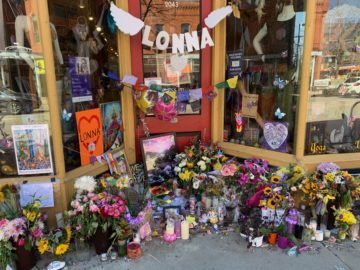
When a young gunman murdered ten people at a supermarket in Boulder, a place I’d been in the week before the shooting, I was reading the letters of Mary McCarthy and Hannah Arendt. McCarthy and Arendt lived through terrible times, the worst being the Holocaust and then Vietnam; McCarthy lost both her parents to the Spanish Flu. In their letters I was struck by some parallels to our time: a friend and I had discussed, in letters, whether to stay or leave the country if Trump was reelected; McCarthy and Arendt did the same about Johnson and the escalating war in Vietnam; our fears of Trump echoed theirs of Nixon (though I’m not sure they could have imagined the disaster of the Trump presidency). But when the shooting took place, I realized that while both of them had lived through far worse atrocities than most Americans living today, neither Arendt nor McCarthy lived through these random mass shootings of children and civilians on American soil. There have always been random killings and serial killers, but not this massive meaningless mowing down of strangers.
As shocking as this event was, especially coming so close to the previous week’s mass killing in Atlanta, what has been less noticed are the many mass shootings (defined as four or more shot or killed, not including the shooter) in the United States every day. As of this date, April 10, 2021, there have been 135 mass shootings in the U.S. in 2021 and we’re just at the beginning of April. More mass shootings than days in the year so far. At least 31 more mass shootings since the one in Boulder. Read more »
 If, for a long time now, you’ve been getting up early in the morning, setting off to school or your workplace, getting there at the required time, spending the day performing your assigned tasks (with a few scheduled breaks), going home at the pre-ordained time, spending a few hours doing other things before bedtime, then getting up the next morning to go through the same routine, and doing this most days of the week, most weeks of the year, most years of your life, then the working life in its modern form is likely to seem quite natural. But a little knowledge of history or anthropology suffices to prove that it ain’t necessarily so.
 It’s official: Lilly Singh, the YouTube phenomenon,
 Marlène Huissoud. A3 Drawings 8, 2020.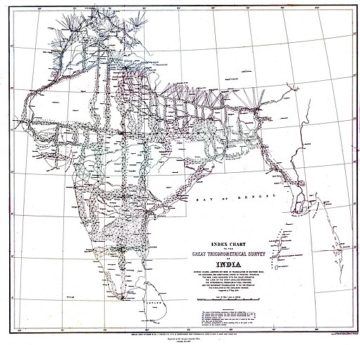
 Patriotism is a contested ideal in the culture war which bubbles away in the UK. It’s worth examining not only as an idea in itself but also with regards to how it is understood and expressed in the present cultural context of the UK. It seems to me that the debate is dominated by two ends of a spectrum, both misguided. At one end there are those who find the word itself too problematic to be worth salvaging. It is, they would argue, despite claims to the contrary, unavoidably linked to its ugly cousin, nationalism, with its xenophobic and jingoist associations.
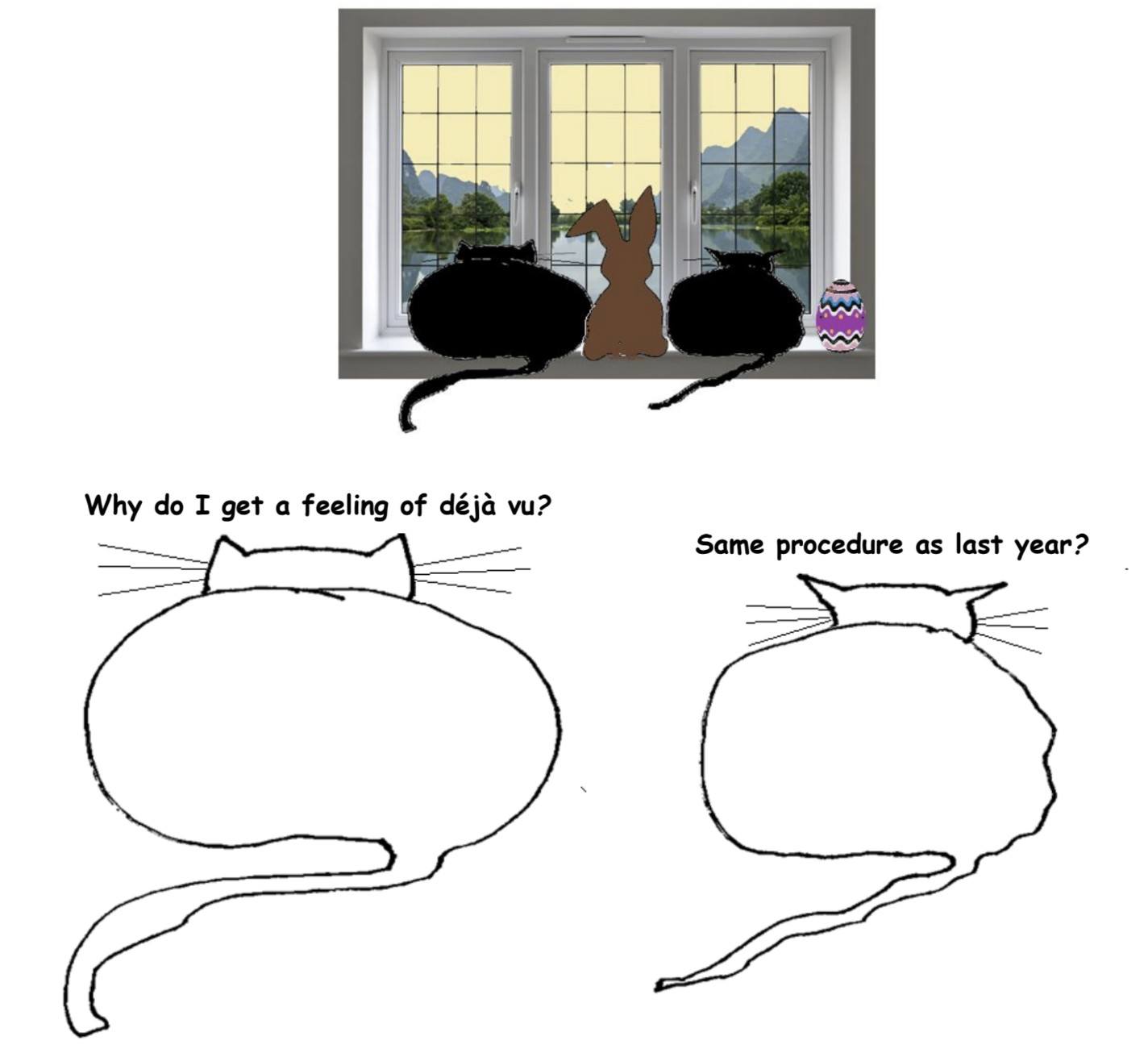
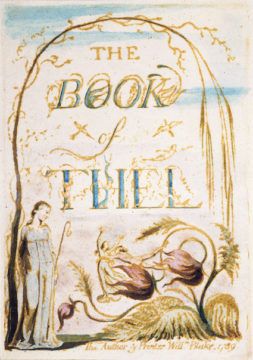 Copse and cosmos
 “My first experience home-brewing was before it was legal,” says Jim Koch, cofounder and chairman of Boston Beer Company, maker of Sam Adams. “I did it with my dad. He brought home some yeast … then he brought home some hops, and we made a beer. And I thought it was so cool when the yeast brought the beer to life, and it started to bubble and you got that foam on the top of it, and it had that wonderful bready, ester-y smell, and I was in love.”
 The evidence that pairing music with wine can enhance one’s tasting experience continues to mount since