by Michael Liss
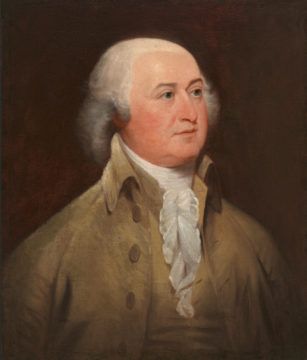
There was a time when we had no political parties.
It was brief, like the glow of a firefly on a warm late summer evening, but it occurred. There were no political parties at the time of the American Revolution, or when the newly freed colonies joined in the Articles of Confederation. None at the time they went to Philadelphia to hammer out the Constitution, and none when it was ratified (although the supporters of it were called Federalists and Alexander Hamilton eventually organized them as a party). For the first three years of the new government, until May of 1792, when Thomas Jefferson and James Madison founded the Democratic-Republican Party, the Federalists were the only political party in the land.
When we 21st Century Americans, out of desperation, look to the Constitution for a way out of intractable and pernicious partisanship, we often look in vain for the answers because they really aren’t there. The Constitution was not intentionally designed to compensate for party-based partisanship. Rather, it was a balancing act between regional forces, between economic interests, between small and big states, between slave and free, and between political philosophies. The Framers needed to find enough compromises to get the states to agree to the new framework. No interest got everything, but all got something, because they had to. Why join otherwise?
Obviously, the Framers were aware of political parties (England’s Parliament had its Whigs and Tories). They were also aware of the dangers of partisanship (most notably, Madison in Federalist No. 10). But they hadn’t yet made the leap to only negotiating governance through the synthetic framework of a multiparty system, nor to the idea of candidates for Chief Executive differentiating themselves by party identification. The model for a President was in front of everyone—George Washington. Read more »


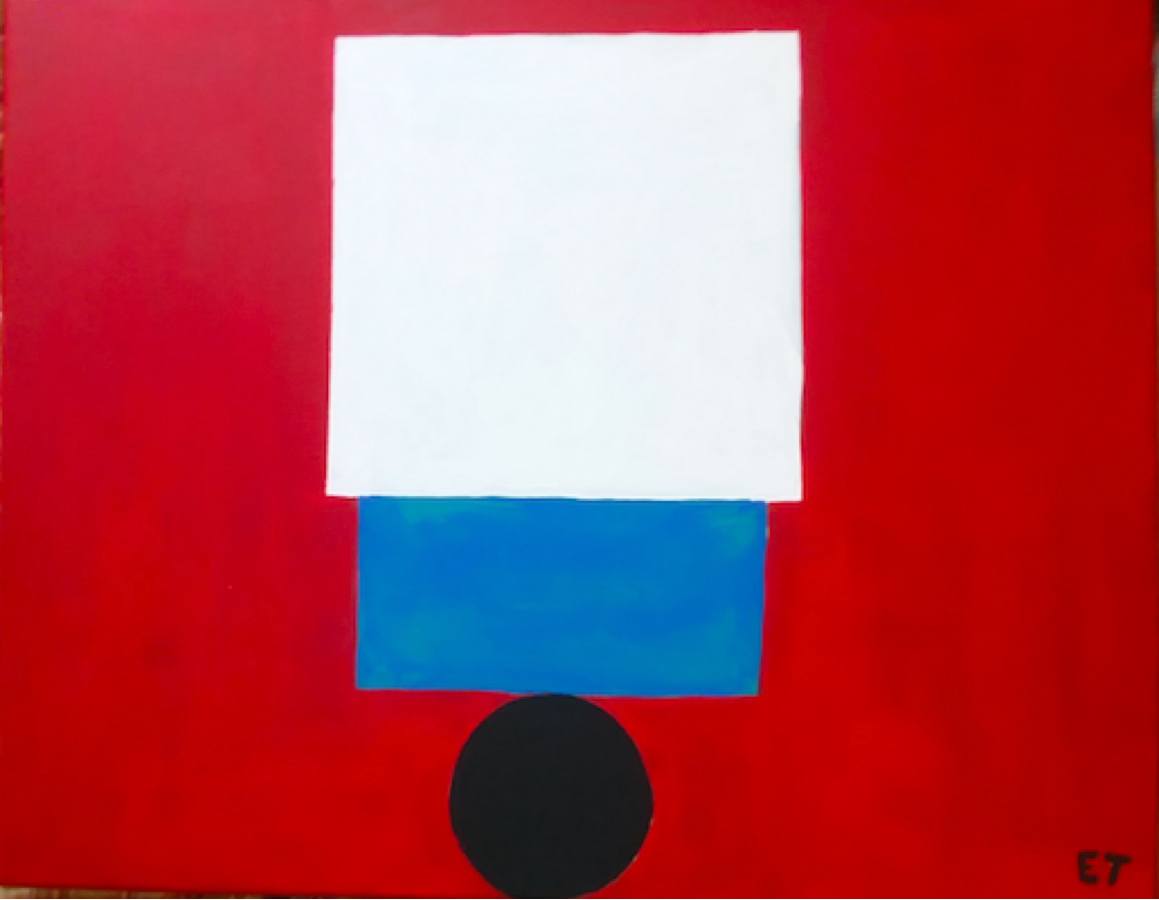 ET Trigg. I Can’t Breathe, 2020.
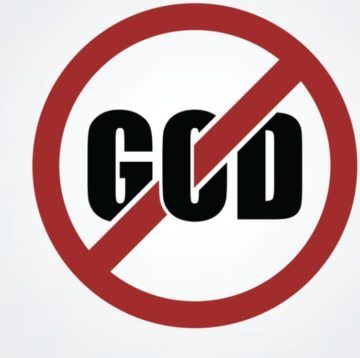 “Why, during the seventeenth century, did people who knew all the arguments that there is a God stop finding God’s reality intuitively obvious?” This, says Alec Ryrie in his Unbelievers: An Emotional History of Doubt (2019), is the heart of the question of early modern unbelief (136).
 On Saturday, April 10, 2021, in Fribourg in the west of Switzerland, Besuch der Lieder, the troupe of musicians with whom
 They call it the Sargasso, this grass. It is the bane of Belize, an invasive floating weed that keeps pitchforks flailing along the waterfront. The Sargasso Sea, we know where that is. But this grass is from Brazil, Réné says. It’s a new challenge from a new place. It isn’t challenge enough just to weather a pandemic, he says. Now there’s this, too.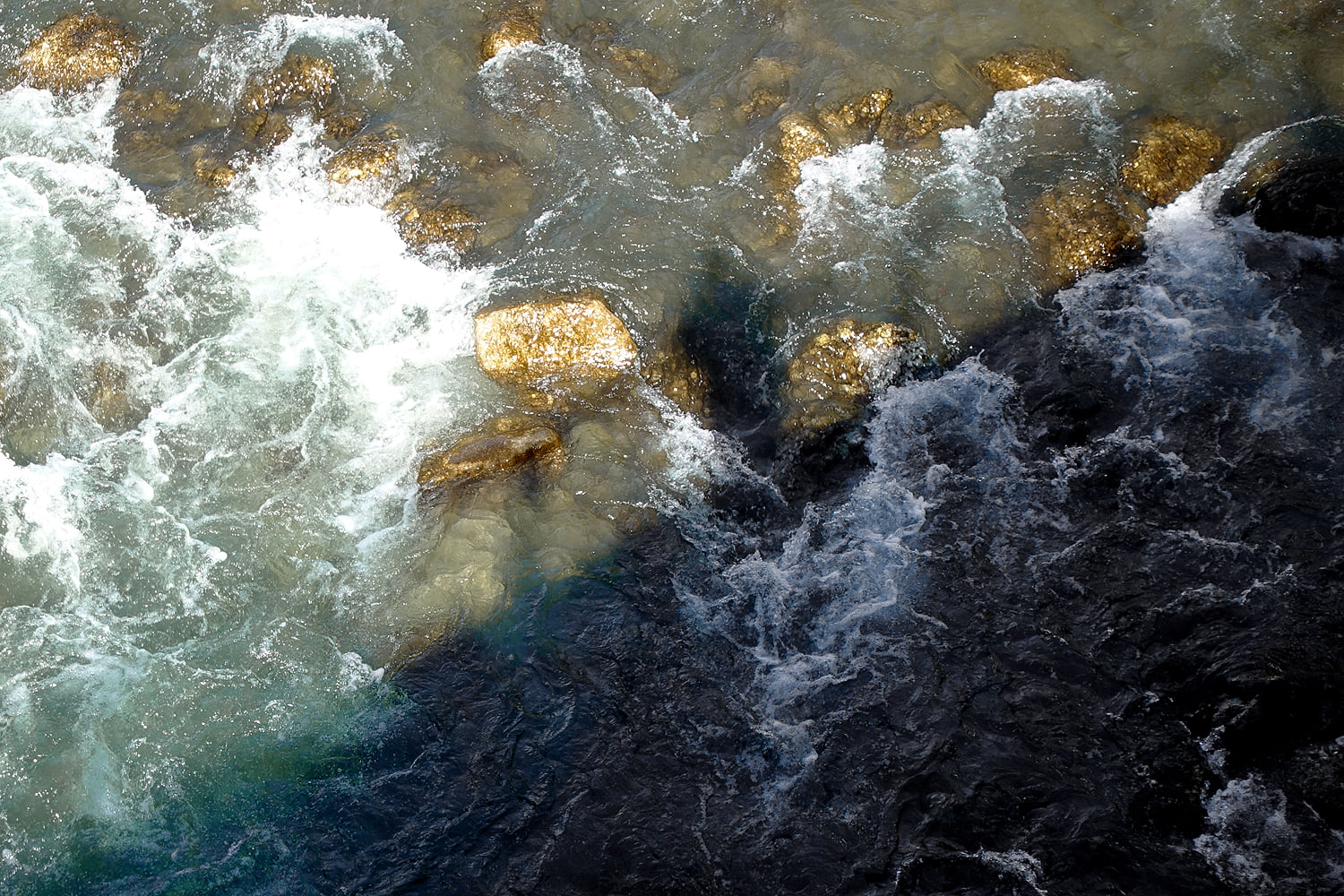
 That is, we had to talk about it. I thought of a musician as someone who made a living performing music. I didn’t do that. To be sure, I made some money playing around town in a rock band and I’d spent years learning the trumpet. I’d marched in parades and at football games; I’d played concerts with various groups. But I wasn’t a full-time, you know, a professional musician, a real musician. Gren insisted that I was a musician because I played music, a lot, and was committed to it. That’s all that’s necessary.
 Podcast time!

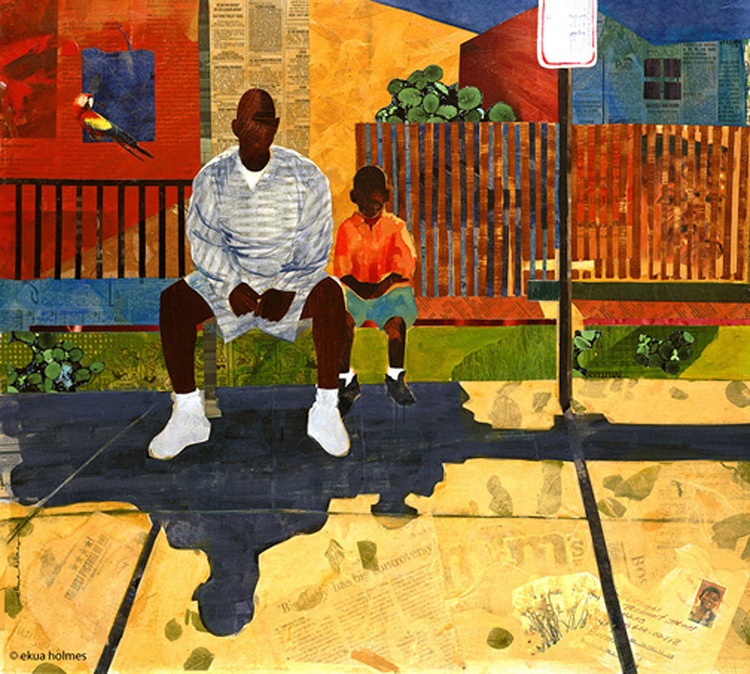 Ekua Holmes. There’s No Place Like Home.