by Mary Hrovat
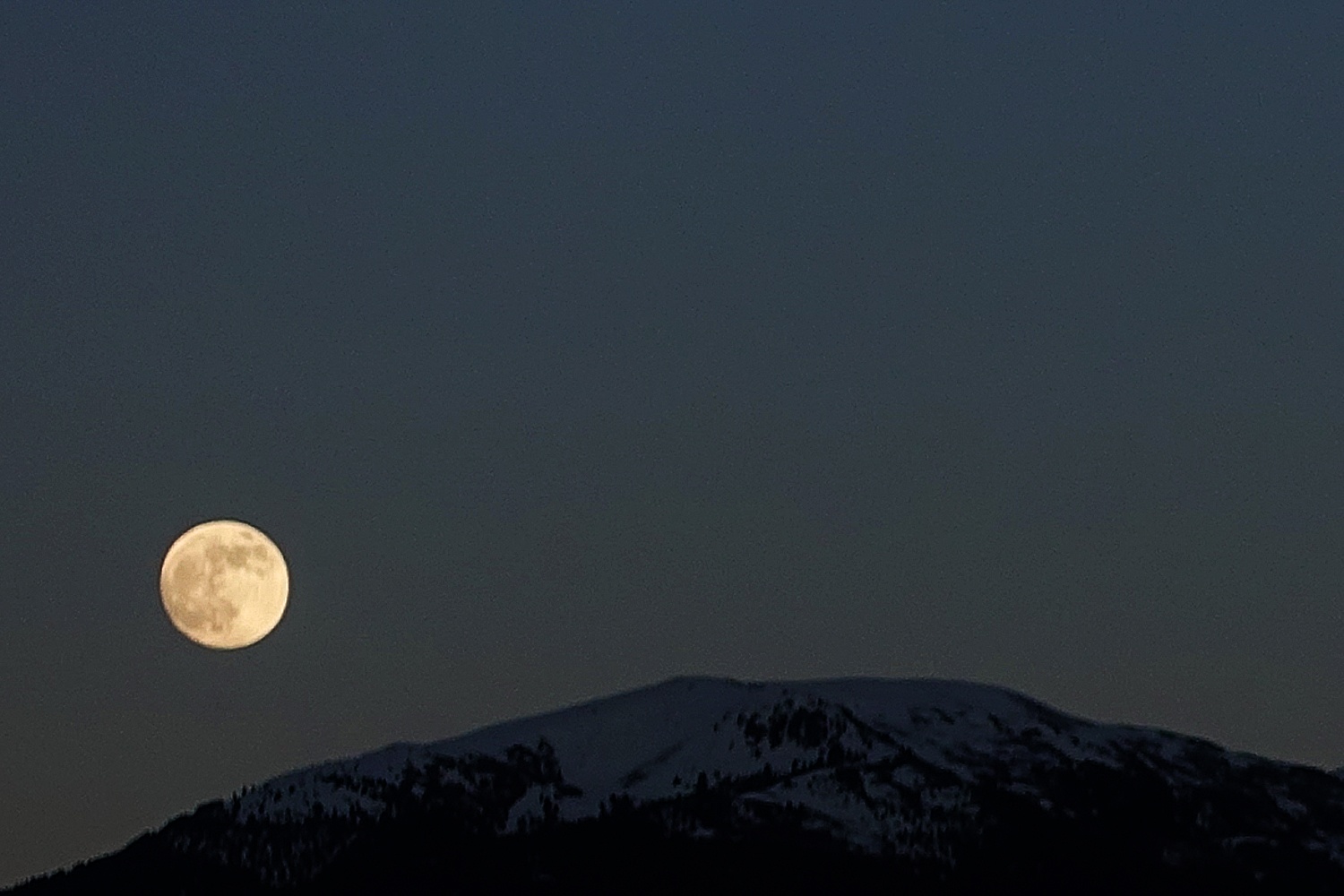
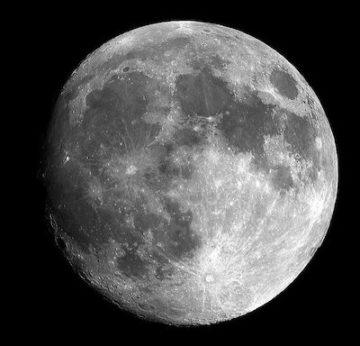 I’ve always loved the name Sinus Iridum (Bay of Rainbows), which describes a beautiful semicircular dark feature on the face of the Moon. Browsing a lunar map reveals other names equally beautiful or evocative: Sinus Concordiae (Bay of Harmony) and Sinus Aestuum (Seething Bay), for example. Other lunar plains with watery names include Mare Anguis (Serpent Sea), Palus Somni (Marsh of Sleep), and Mare Imbrium (Sea of Showers). Montes Harbinger is a group of mountains in Mare Imbrium; when they’re lit by the rising sun, they herald the approach of sunrise to Aristarchus crater.
Alexander von Humboldt, who is remembered in place names all over Earth, is also recognized on the Moon. Mare Humboldtianum lies on the divide between the near and far sides of the Moon; in the 1830s, Johann Heinrich von Mädler named this lunar sea for Humboldt because it extends from the known into the unknown.
The Moon has a lake for every season (literally—Lacus Autumni and so on) and lakes for many moods: lakes of happiness, fear, dreams, hatred, and hope; also the lake of forgetfulness (who doesn’t sometimes want to take a swim there?), the lake of time, the lake of solitude.
We’ve cast a net of words over the Moon for as long as we’ve had words. Before we could see individual features in any detail, the enigmatic markings on the Moon provided a Rorschach test of sorts, a space onto which we projected our imagination. To me, the man in the Moon has always meant the sort-of face that you can see on the Moon (and its many stylized representations), but the traditional stories about the man in the Moon in Western culture often involve punishment or banishment. Read more »




 It’s the middle of July, 2020, the middle of a heat wave in the middle of the pandemic, and my first day in the radiation room. I stand in socks and starchy hospital gown before the Star Trek-ish linear accelerator, waiting for the technicians to fit me on the machine’s bed-like tray for best positioning. But in my mind I’m standing four years ago in the kitchen of my new home in Rhode Island, where beside me a cable company worker tapped in a phone number for advice about how to maneuver spotty Internet service into a happy ending. While he waited for his boss to call back, he mentioned, with a hint of wonder in his voice, “Y’know, this is my first day on the job after four months.”


 Climate change is such a terrifying large problem that it is hard to think sensibly about. On the one hand this makes many people prefer denial. On the other hand it can exert a warping effect on the reasoning of even those who do take it seriously. In particular, many confuse the power we have over what the lives of future generations will be like – and the moral responsibility that follows from that – with the idea that we are better off than them. These people seem to have taken the idea of the world as finite and combined it with the idea that this generation is behaving selfishly to produce a picture of us as gluttons whose overconsumption will reduce future generations to penury. But this completely misrepresents the challenge of climate change.
 Adam Smith’s The Wealth of Nations begins with this claim:
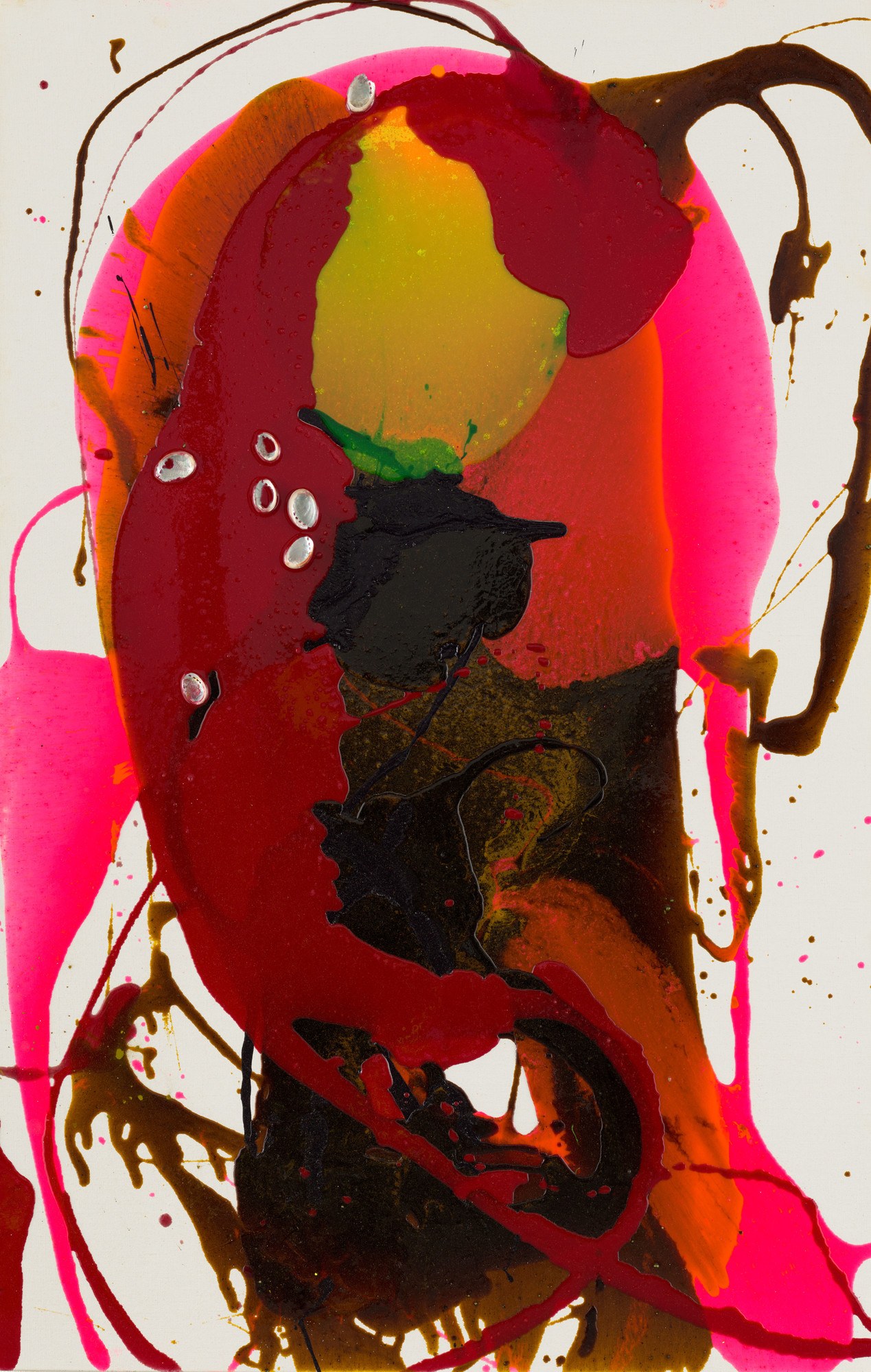 Helen Marden. Raja Ampat, 2018.
 I know someone—I’ll call him by his initials, KR—who is a Modi supporter. I have known KR for as long as I can remember. He is an intelligent, well-educated, well-travelled man. Now retired, he has a successful career behind him. He is Hindu, but he actively participated in the traditions and practices of other religions. Personally, I have great affection for him. Politically, we are now like oil and water. I usually avoid discussing politics with him because it inevitably ends in an argument: his view of Prime Minister Modi couldn’t be further from mine. In order to understand why people like him