
by Michael Abraham-Fiallos
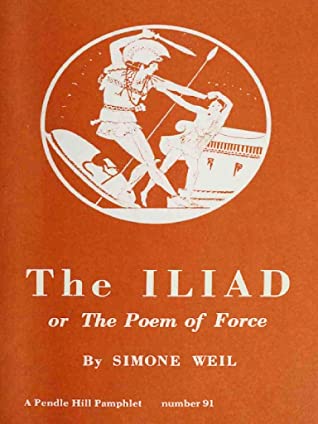 “The Iliad, or The Poem of Force” is a now-canonical lyrical-critical essay by the French anarchist and Christian mystic, Simone Weil. In it, Weil critiques the Iliad to arrive at an understanding of what she calls force, something just beyond human action, alive in and ruling over the interactions of persons. “In this work,” Weil writes of the Iliad at the top of the essay, “at all times, the human spirit is shown as modified by its relations with force, as swept away, blinded, by the very force it imagined it could handle, as deformed by the weight of the force it submits to.” The truth of force, she writes later, is that “nobody really possesses it”; instead, it possesses us: it intoxicates, destroys, instigates conflict and props of hierarchy between the weak and the strong, strikes finally and surely with the intensity of what Weil calls “blind destiny” against both the weak and the strong. “He that takes the sword will perish by the sword,” Weil writes, and then she cites the Iliad: “Ares is just, and kills those who kill.”
What force really does for Weil is turn the human into an object. “Once the experience of war makes visible the possibility of death that lies locked up in each moment,” Weil argues, “our thoughts cannot travel from one day to the next without meeting death’s face.” The soul who discovers death’s omnipresence must castrate itself, she continues, of all yearning for life; its sole aim becomes the destruction of others. There might be a way out of this bind, she suggests: “To respect life in somebody else when you have had to castrate yourself of all yearning for it demands a truly heart-breaking exertion of generosity,” a generosity which Weil believes attaches only to Patroclus in the poem. But, she dismisses out of hand that such generosity is a historical force. Those who possess force—which is to say, those for whom force is acting in the benefit for the moment only—do not have space for this generosity. “Lacking this generosity,” she continues, in a dark mood, “the conquering soldier is like a scourge of nature. Possessed by war, he, like the slave, becomes a thing … Such is the nature of force. Its power of converting man into a thing is a double one”—double for it takes hold of the soul of the possessor of force, remaking him into a mere peon of force’s action, the aim of which action is to reduce the victim of force to mere body, to destroy them. Read more »
 In the late 1960s and early 70s, Pocatello, Idaho, was one of the fastest growing towns in the United States. It was, and still is, a bland little place in the arid montane region of the American West. I don’t know why it mushroomed then; it has since stagnated and even shrunk. Nevertheless, the summer I turned four, my family was one among many who moved to reside there. Our little red brick house, still unfinished on the day we moved in, was the last house at the end of a newly laid street, still half-empty of houses. Our street stretched like a solitary finger into a kind of wilderness, an austere, high-desert landscape that surrounded our foundling residential colony. From my vantage as a child, preoccupied with the flowers, spiders, and thistles that stuck to my socks, I would see this place transformed.
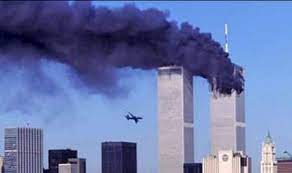 The chill in the early morning air hinted of autumn, yet the intensity of the rising sun promised summer heat. Black Tupelo and Red Maple leaves teased memories of fall with premature wisps of yellow and orange. The sky was a depthless cobalt blue, its crystallinity making everything and everyone shimmer. It makes sense that the stunning weather on that particular morning should become a shared referent for our collective dissonance, a common denominator of terror, mourning, and remembrance spanning two decades.
 Margot Livesey’s The Boy in the Field is a mystery novel in the broadest sense of that literary term. Yes, the novel begins with the discovery of a crime, and the perpetrator remains at large for most of the narrative. Yet the “what happened next” of a standard mystery novel concentrates on the three siblings who came upon the victim lying in a field, the reverberations of that event on their young lives, and of the family they are a part of. “Mystery” can reside within all of us, to locate or evade, and that is the deeper reveal that Livesey hunts for in this wise and haunting book.

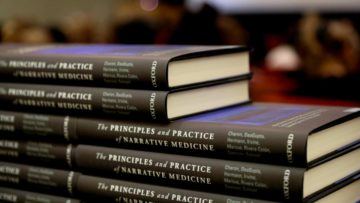 As we look toward wending our way out of the COVID-19 global health crisis, what tools can we use to make sense of what we are experiencing? For if there is anything self-evident in our current predicament, it is that any given field—medicine, sociology, political science, psychology—are insufficient in isolation. “Pandemic,” from the Greek πάνδημος, means of or belonging to all the people; and the challenges of this pandemic compel us to take a pan-disciplinary approach.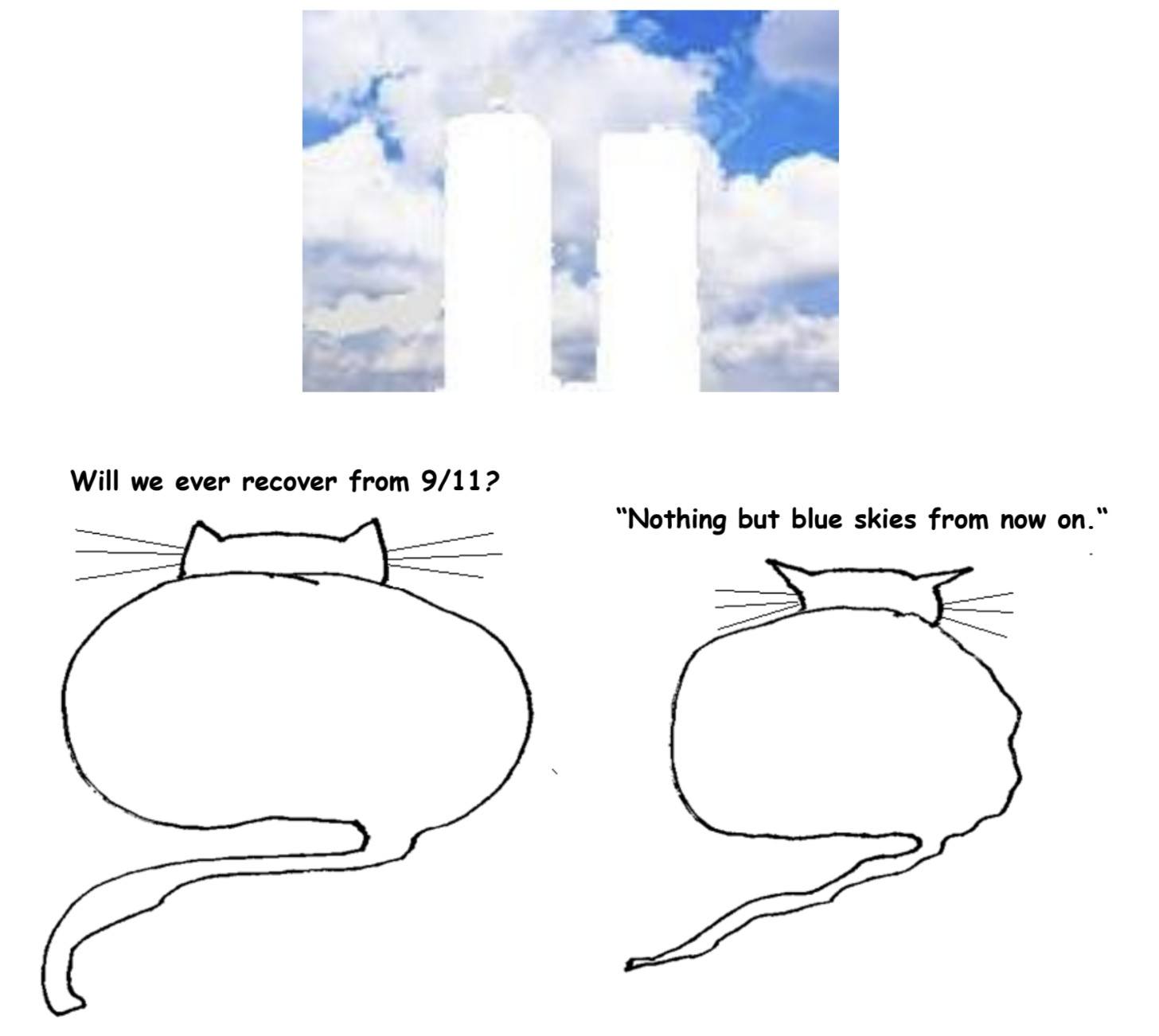
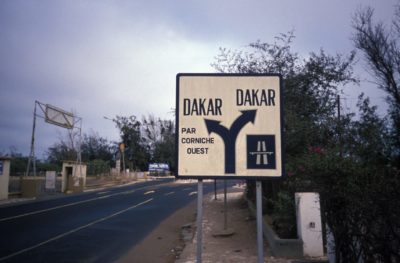 It is time to go home. You can pull down the window shade for some relief; then it’s only 100 degrees. An Air Burkina Fokker F28 has sidled up to join us on the tarmac in Bamako, Mali. Not quite home yet.
 There’s a lot we can learn about today’s America by observing the Mormon Church.
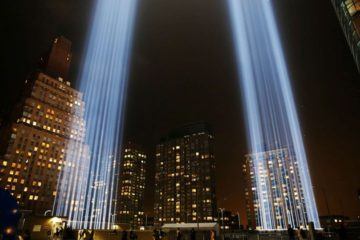 I was there when they first went up. From my south-facing bedroom on Morton Street in the village, I watched them grow, floor by floor, to a height unimaginable for that time. When they were finished, I began to measure their height against their distance from my bedroom. If they fell over, would they reach me? Not only was I ignorant of structural engineering, I never gave a thought to what would happen to the people inside if they did fall over. Years later I would learn that they didn’t fall over, they fell down. This time my thoughts were with those people inside.
 Sachin Chaudhuri, who lived in Bombay, came to know, I think from Binod Chaudhuri, about my teenage forays into writing political pieces, and he asked me to share them with him, and sent back detailed (handwritten) comments on them. A little later he started encouraging me to write for EW (copies of which he sent me every week). But I was too diffident; I was a neophyte Economics student, and I knew of EW’s sky-high reputation (Prime Minister Nehru had a standing instruction to his assistants that as soon as the weekly comes out it should immediately be at his desk). Many years later in my MIT days when I met Paul Samuelson, the great American economist, he once told me that he thought EW was a unique magazine, having topical columns on every week’s events and at the same time publishing specialized analytical articles, some quite technical. I found out that he, like many stalwart economists and other social scientists in the world at that time, had himself written for EW—this was partly a tribute to the magnetic personality of Sachin Chaudhuri which attracted some of the finest minds and created a rich intellectual aura around the magazine.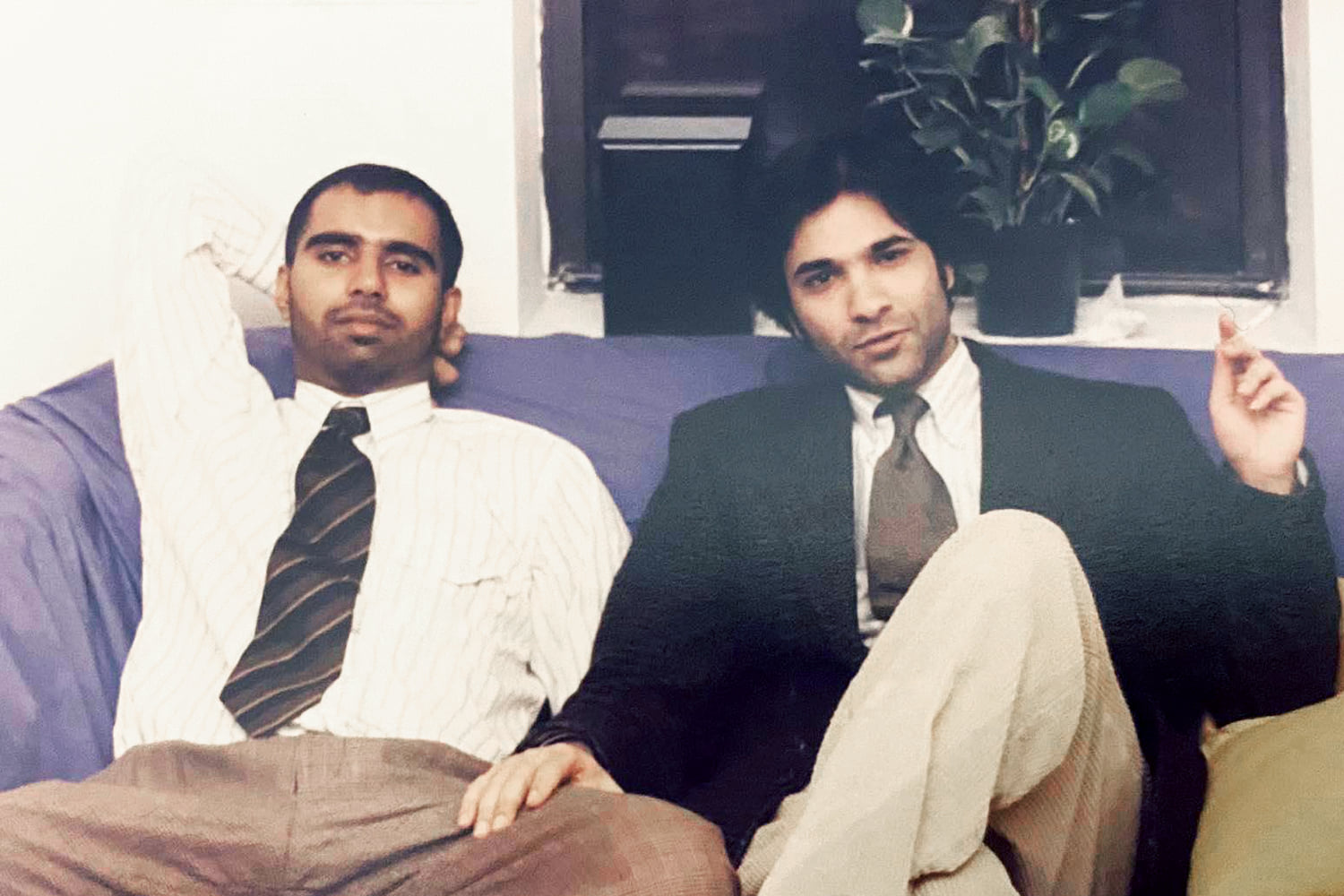
 In these dying days of summer, as I steel myself for the onslaught of an uncertain term ahead, I’ve been reading