by R. Passov
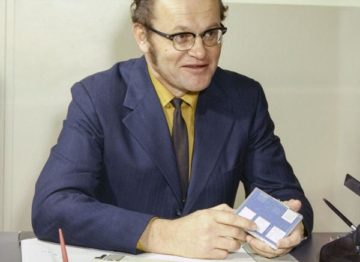
Eldon Hall spent the first seven years of his life climbing hills alongside Oregon’s Snake River, trailed by a faithful Shepard dog. He and his father “…went fishing in the mountains…” and “… slept outdoors while his mother, safely residing at home, worried about the poisonous snakes that might bite [them.]” In 1926, when Eldon was seven, his father passed. If not for that, Eldon would have carried on farming alongside the banks of the Snake.
Unable to hold onto the farm, Eldon’s mother took her three children across the river to Paytte, Idaho. There she married a subsistence farmer. While Eldon was tempered working as a farmhand, she held his dream of getting an education.
The day before Pearl Harbor, Eldon defied the odds by enrolling at the University of Washington. The war dried up funding. On the verge of dropping out, he joined the ROTC. In 1943 he was called to active duty. The few college credits he brought along gained entry into a newly formed “Army Specialized Training Program” that led to City College, NY where his days were “…filled with lectures, testing, military instruction, calisthenics, and some free time to tour the Big Apple.”
After 18 months he was sent across another river to Rutgers University to begin a “training program” in electrical engineering. Of the two hundred or so men who started the program, 65 finished. The top four graduates joined the Manhattan Project. Eldon graduated in 5th position. Read more »
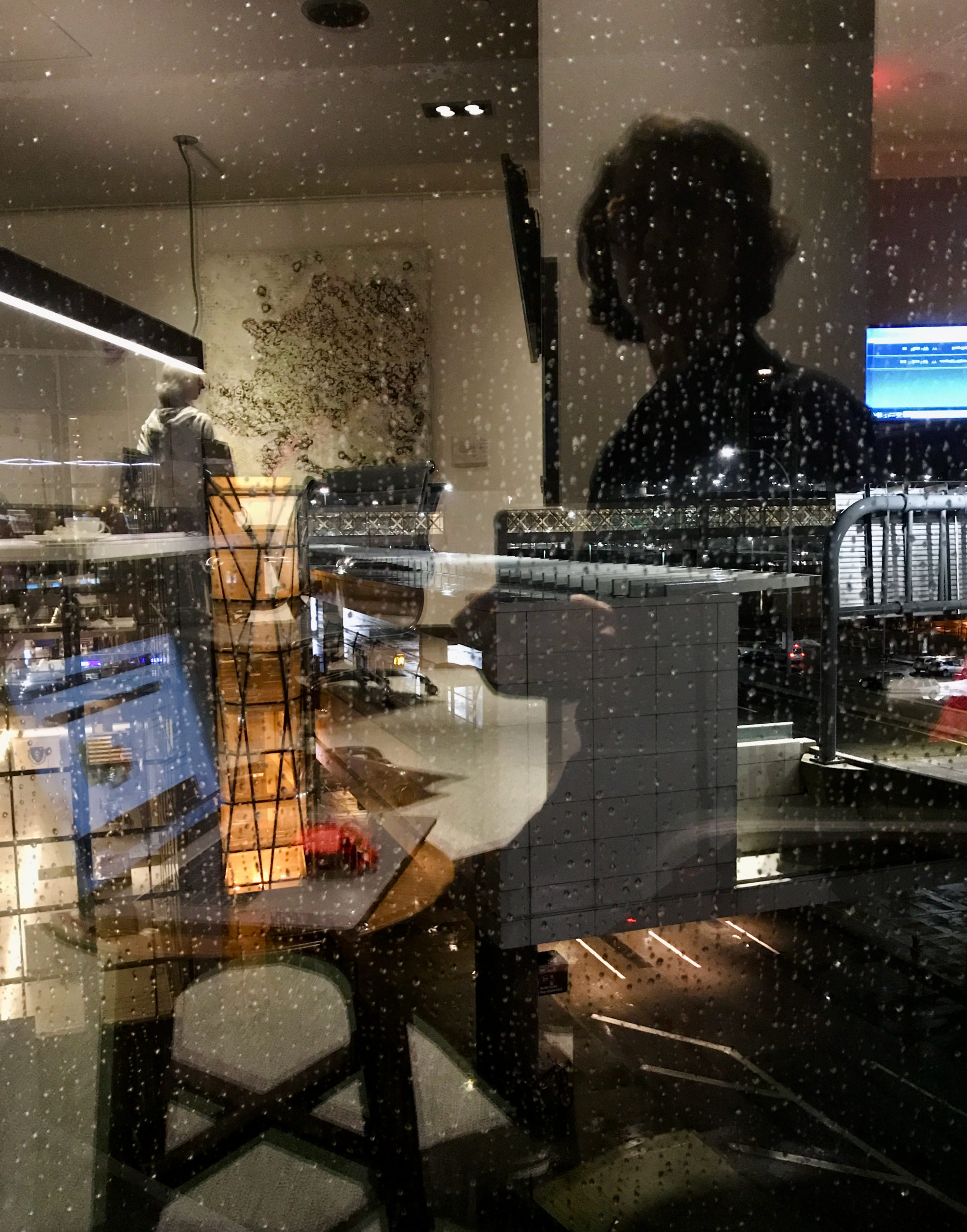 Sughra Raza. Rainy Reflection Self-portrait for 2022.
 January, 2022. East End, Long Island, NY. It’s getting colder. I just recovered from a bout with COVID. I am sitting around the fire pit sipping tequila, drinking homemade bone broth from a mug, and watching lists of very important dead people, ripped from various newspapers and magazines, burn in the fire. Life is good.
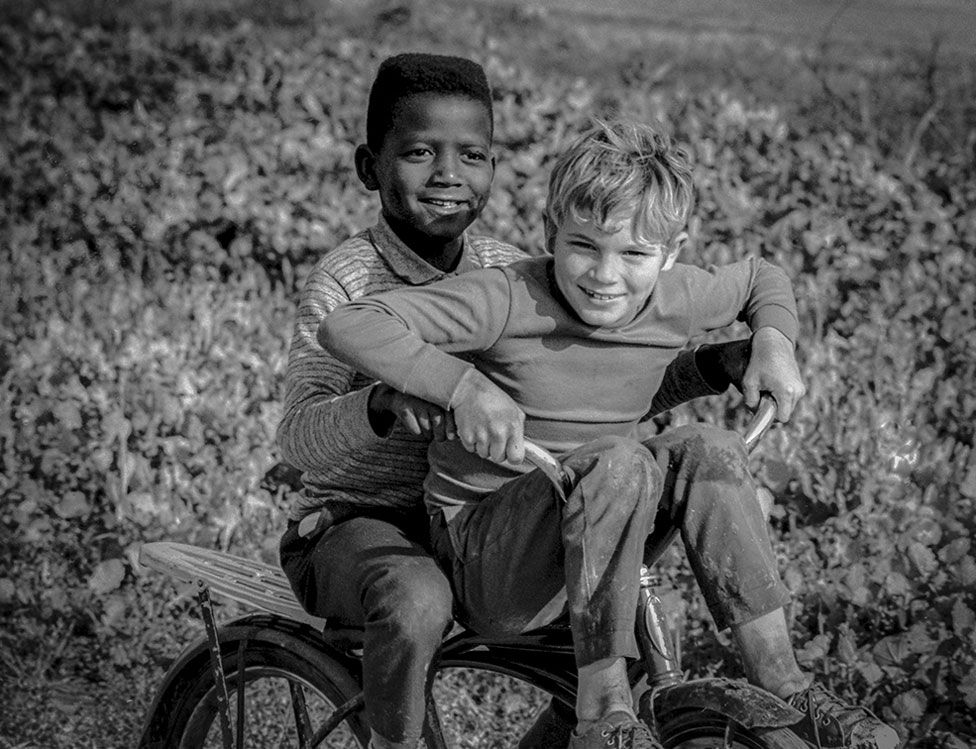 Three things we know about #BLM, two obvious, one a bit more subtle.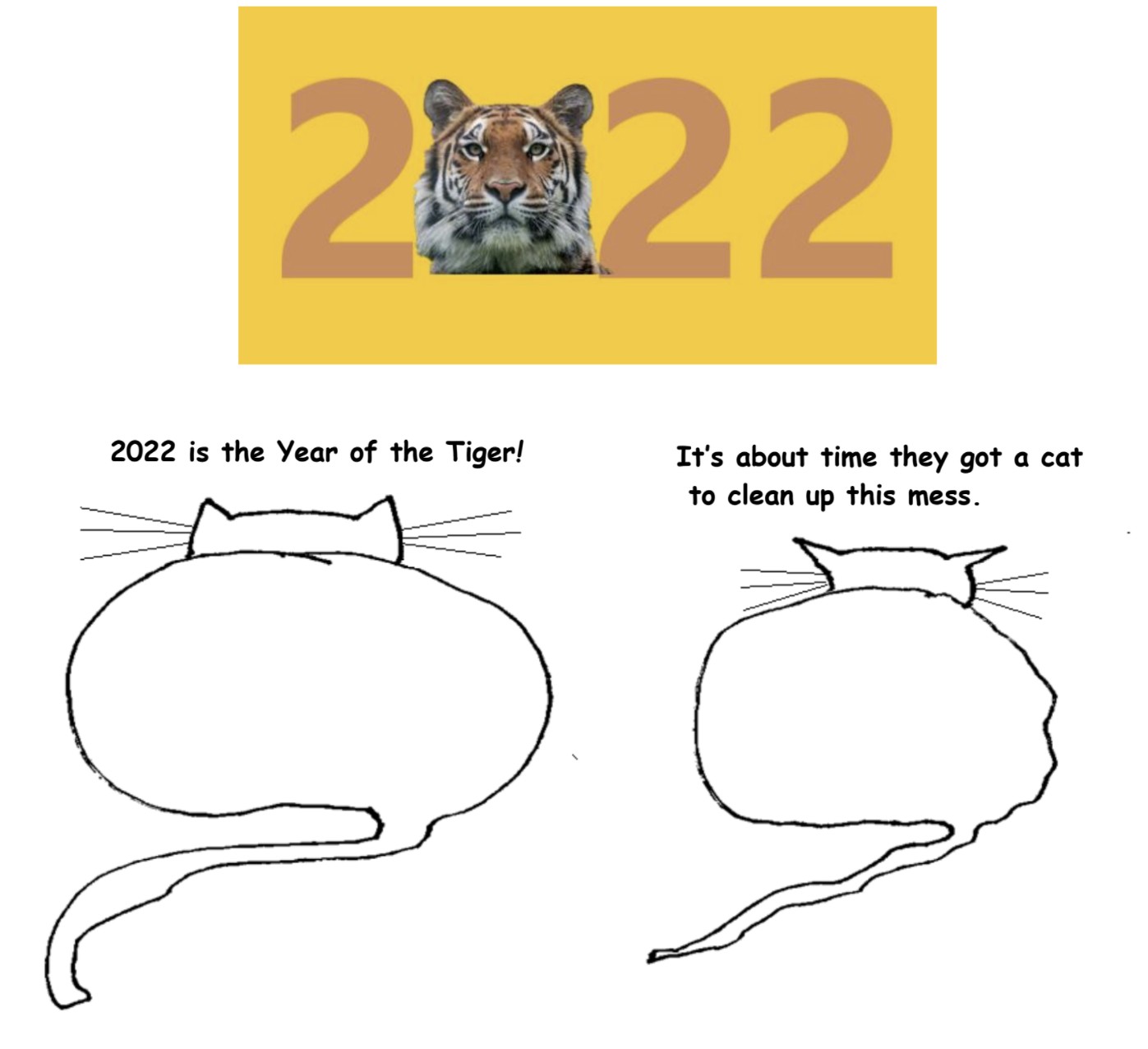
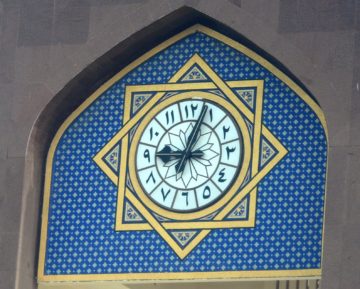 2022 is alive, a babe come hale and hollering to join its sisters 2020 and 2021, siblings bound by pandemic. Everybody stood to see off 2022’s older sister 2021, like we all did 2020 before her. Out with the old. Quickly, please.
 At my ISI office there were several good economists. Apart from TN, there was B.S. Minhas, Kirit Parikh, Suresh Tendulkar, Sanjit Bose (my friend from MIT days), V.K. Chetty, Dipankar Dasgupta, and others. Of these in many ways the most colorful character was Minhas. A shaved un-turbaned Sikh, he used to tell us about his growing up in a poor farmer family in a Punjab village, where he was the first in his family to go to school. He went to Stanford for doctorate, before returning to India. He relished, a bit too much, his role as the man who spoke the blunt truth to everyone including politicians, policy-makers and academics. He illustrated his Punjabi style by telling the Bengalis that he had heard that in Bengal when a man had a tiff with his wife, he’d go without food rather than eat the food his wife had cooked; he said at home he did quite the opposite: “I go to the fridge, take out my food and eat it; then if I am still upset, I go to the fridge again and take out my wife’s food and eat it all up—serves her right!”
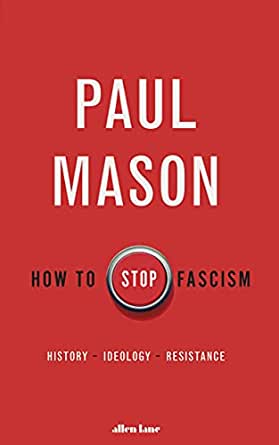 In today’s political world where liberal democracy is purported to have triumphed and ‘the end of history’ is supposed to be with us, many people might be content to rest on their laurels that fascism has been confined to the dustbin of political history, and at most its supporters on the fringe of contemporary politics. Not so however, for Paul Mason. For him ‘fascism is back’ and poses a real threat to democracies. Indeed, so convinced is he of his argument that fascism is emerging as a force to be reckoned with, his recent book How to Stop Fascism: History, Ideology, Resistance is a call to arms for greater understanding of its modern manifestations, and to resist its influence in politics.
 In
In 
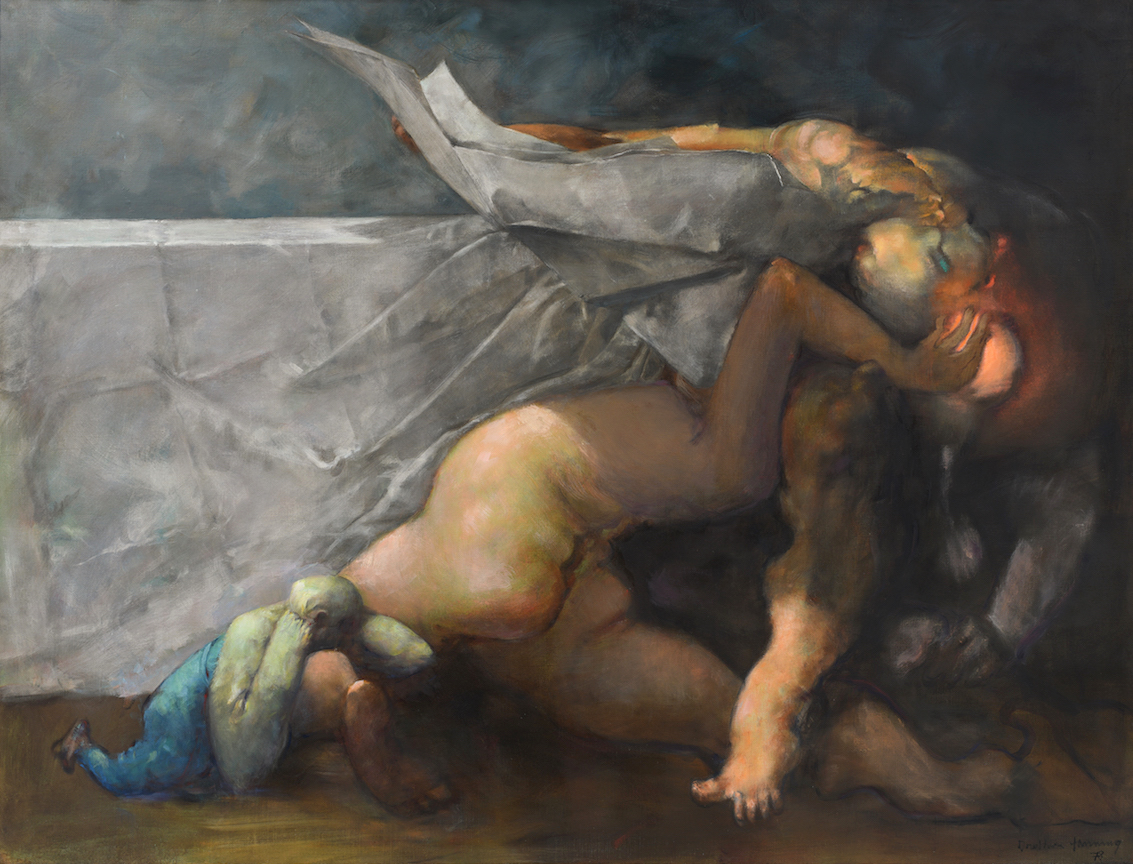 Dorothea Tanning. Notes for An Apocalypse, 1978.