
by Pranab Bardhan
All of the articles in this series can be found here.
 June 4 early morning we took a taxi from Friendship Hotel to the Beijing airport, oblivious of the dreadful happenings in Tiananmen Square the previous night. I remember the taxi driver in his almost non-existent English tried to tell us that ‘something’ (he was not sure what) had happened in the night in the Square, traffic was not allowed to go in that direction. By the time we reached Shanghai, our hosts who came to receive us knew. Of course, they could not know it from radio or TV, as there was a news blackout. These were days before internet, but cross-country fax messages were still active. Beijing to Shanghai messages were blocked, but people in Beijing were sending fax messages to their friends and relatives in Los Angeles, and the latter were sending messages to Shanghai.
We were put up in the faculty guest house of Fudan University. It turned out that our living room in the guest house had the only short-wave radio in the whole campus. So for the next few days endless streams of students and young faculty came to our room to listen to the news on BBC or Voice of America. Even though we had to listen to the same grim news again and again, this gave me an opportunity to talk to many young people in the campus. Along with discussing the news, I also asked them about their life, their studies, their family backgrounds and so on. In response to my question about what they’d like to do after university, in general the ones who were more forthcoming or whose English was better would usually say that they’d like to work for a ‘joint venture’ (joint between a Chinese company and a foreign multi-national company). I noticed that these students had often adopted English first names like Max or Susan to introduce themselves, I presume just to make things easier for the foreigners–I think the same was probably true for Justin Lin in Beijing. (In recent years I have noticed a big change in the reverse direction: my friends in China who used to send me email earlier with their Chinese names in Romanized letters, now almost always use only Chinese characters. So when I receive an email from China it takes a bit of time for me to know who the email is from, without reading the text of the message which is mercifully still in English). Read more »

 Friedrich Nietzsche is my “desert island philosopher.” Guests, or “castaways” on BBC Radio 4’s long running program “Desert Island Discs” are allowed to take to their desert island, in addition to eight pieces of music, a text of religious or philosophical significance. Many accept the bible as the default option. For me, the choice is a no brainer: I’d take the works of Nietzsche.
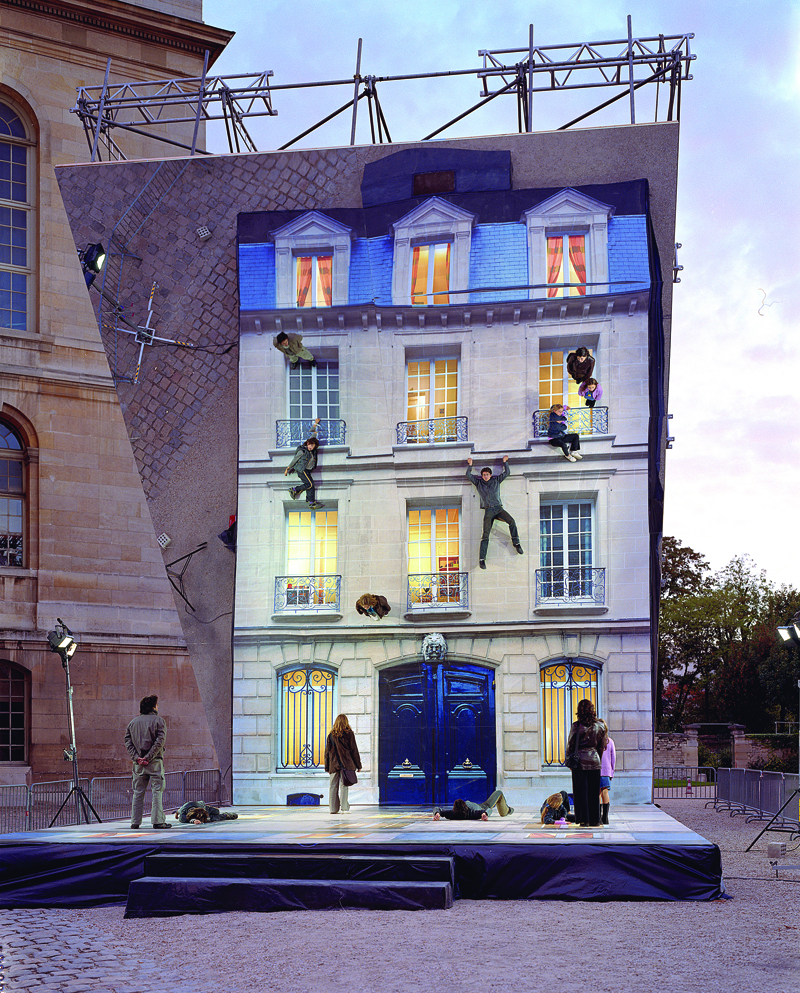 Leandro Erlich. “BÂTIMENT”, 2004, La Nuit Blanche, Paris, France.
 Language has an important role to play in national identity. One only has to think about the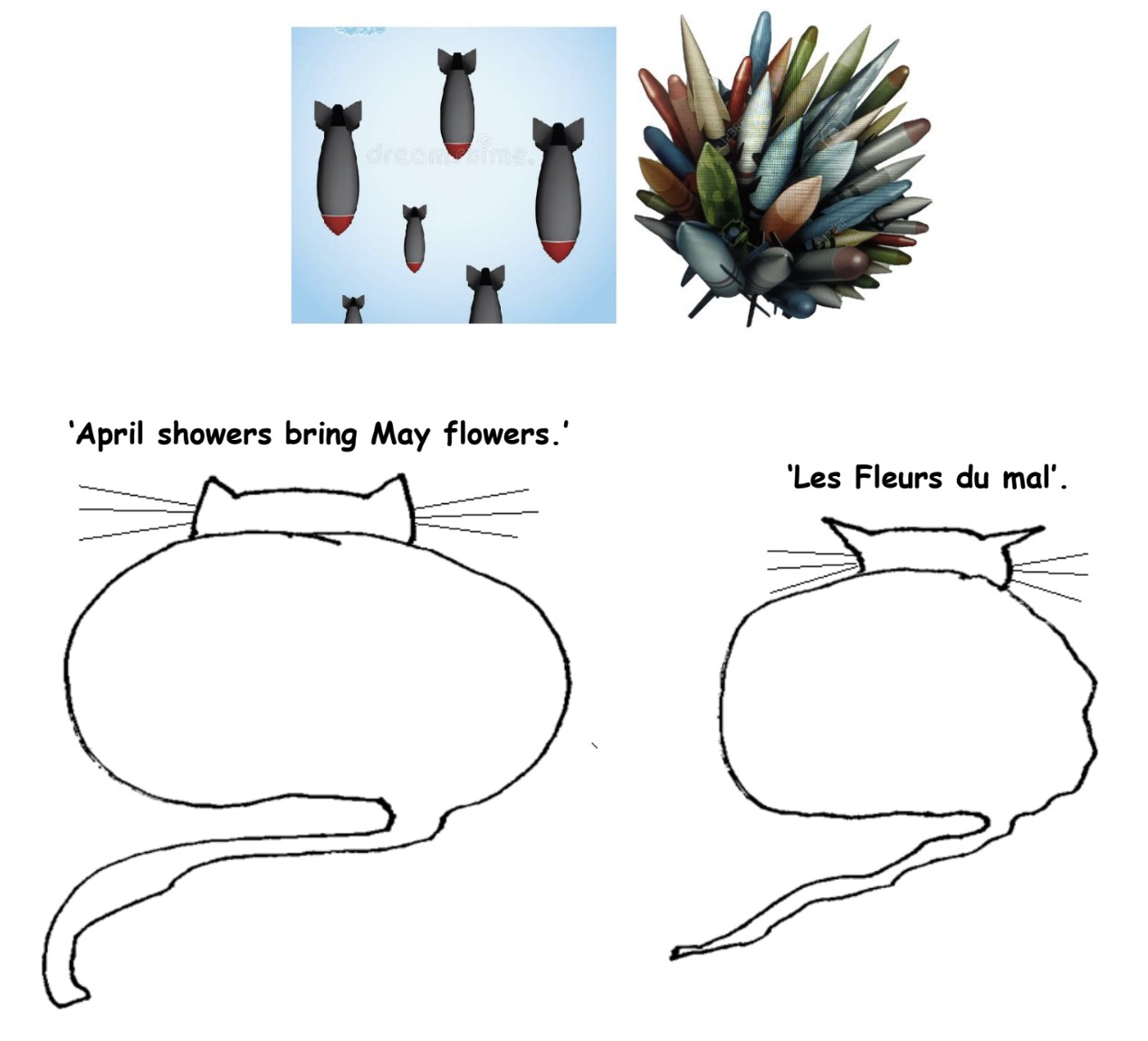

 I’m not sure anyone has ever figured out how to write about music. This is a dangerous statement to make, and I’m sure readers will be quick to point out writers who have been able to capture something as intangible as sound via the written word. This would be a happy result of this article, and I welcome any and all suggestions. I should also say that I don’t mean there are no good music writers; there are, and I have certain writers I follow and read. But the question of how to write about music remains a tricky one.
 I got an incredible break when I was thirteen. We moved to Seattle and I entered public school in the sixth grade, after five years of Catholic education. The impact of the change in fortune was all the greater since I had no particular expectations, a good example of the principle that you can never know when things are about to change for the better. It was not just that my least favorite subject, religion, was no longer on the curriculum–that was the least of it. My new school exuded a different mood, much more open, so different to the reform school atmosphere I had become accustomed to. My life began to feel truly blessed.
 Early in the story of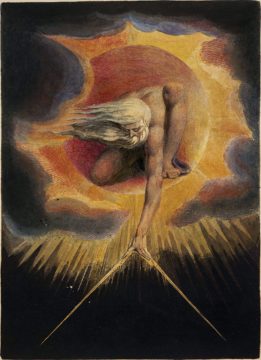
 You’ve heard the story before. The poet Orpheus, celebrated for the enchanting quality of his voice, is grieving the sudden death of his young wife Eurydice. In his despair he resolves to harrow the Underworld, where he so impresses the god Hades with his singing that he is permitted to retrieve the shade of his bride and return with her, newly embodied, into the light—on one condition: that he not look back at Eurydice until they have attained the realm of the living. All is proceeding according to plan, and the pair have nearly made it to the world above, when Orpheus, overcome by the suspicion that he has been swindled, turns to assure himself that his silent wife is still following him—only to see her flee away, this time forever, back into the shadows.
 Małgorzata Mirga-Tas. Out of Egypt. 2021