
by Pranab Bardhan
All of the articles in this series can be found here.
 Among other things London School of Economics is associated in my mind with bringing me in touch with one of the most remarkable persons I have ever met in my life, and someone who has been a dear friend over nearly four decades since then. This is Jean Drèze.
I think it was in the middle-1980’s Nick Stern at LSE introduced me to Jean. I have known Nick since he was a student of Jim Mirrlees at Oxford. Once when I was teaching in Delhi Nick and my Cambridge classmate Christopher Bliss (both of them teaching at Oxford at that time) came to talk to me about any suggestion I had about an Indian village they might pick which they then wanted to study intensively. I remember telling them to choose a village that had been surveyed before so that they had some benchmark information, and directed them to the Agro-Economic Research Center of the Delhi School of Economics which over many decades carried out village surveys in different parts of north India. They finally chose a village, Palanpur, in western UP about 200 kilometers from Delhi, which had been surveyed by the Center. Over the last 50 years they and their team have studied this village intensively and repeatedly, which is quite a unique achievement in the interface of development economics and economic anthropology. Read more »
 Although by no means the only ones, two models of human beings and their relation to society are prominent in modern social and political thought. At first glance they seem incompatible, but I want to sketch them out and start to establish how they might plausibly be made to fit together.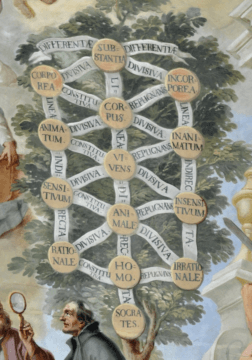
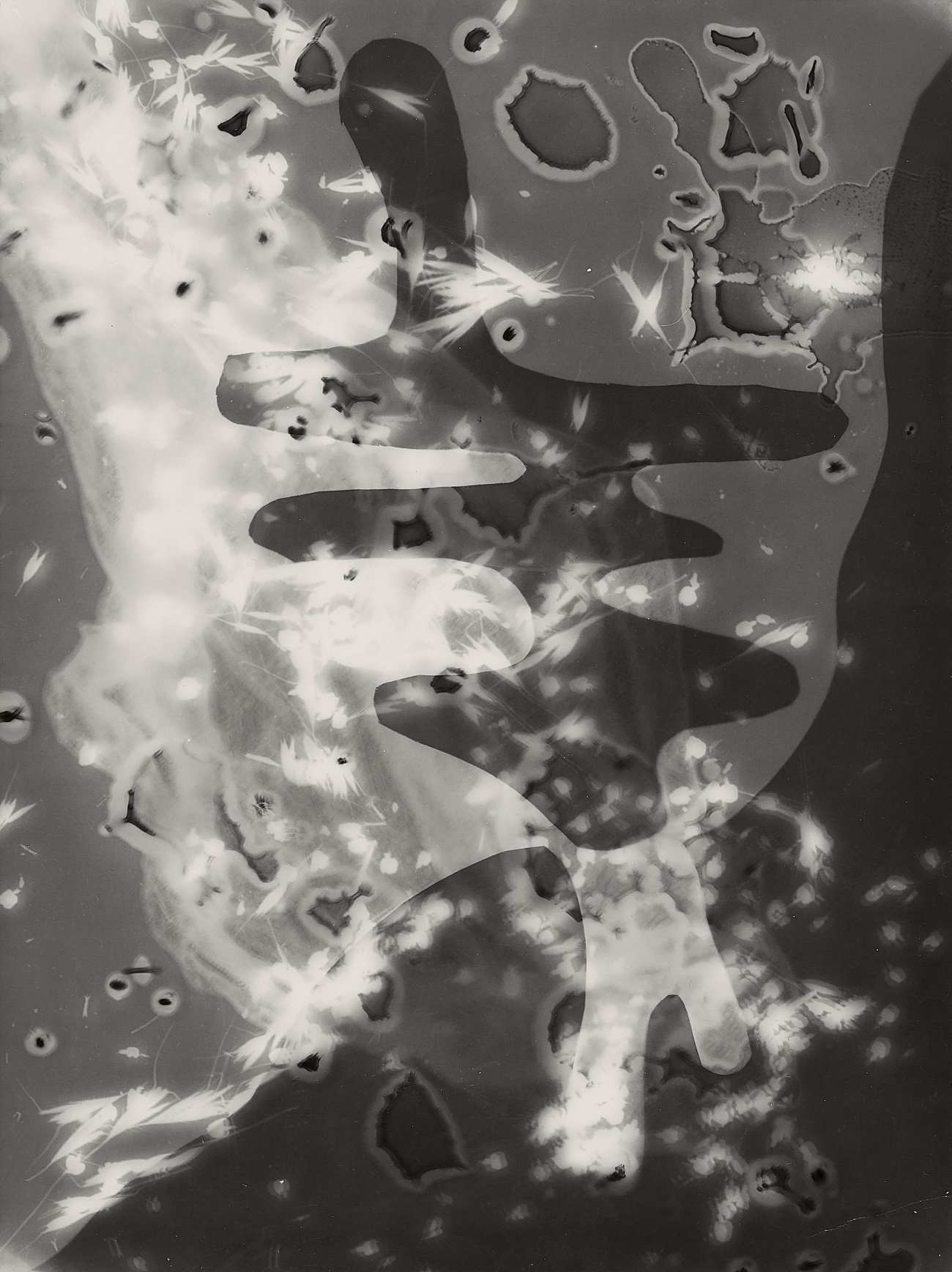 Anneliese Hager. Untitled. ca. 1940-1950


 More than an age of anxiety or anger, of indignation or self-righteousness, we live in an age of the constant high. We need not consume drugs or get inebriated to be met on a daily basis with sights and behaviours to which the only reasonable reaction is an alternation between ‘wow!’ and ‘oh my god…!’ From the still-not-yet-former British prime minister saluting the oldest of the modern parliaments with a deep-felt ‘Hasta la vista

 “
“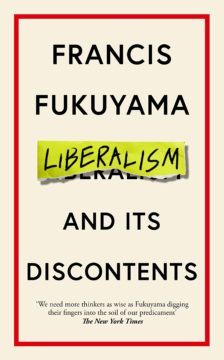 Francis Fukuyama does not mind having to play defense. Recognizing that the problems plaguing liberal societies result in no small part from the flaws and weaknesses of liberalism itself, he argues in Liberalism and its Discontents (Profile Books: 2022) that the response to these problems, all said and done, is liberalism. This requires some courage: three decades ago, Fukuyama may have captured the spirit of the age, but the spirit has grown impatient with liberalism as of late. Fukuyama, however, does not think of it as a worn-out ideal. He has taken note of right-wing assaults, as well as progressive criticisms that suggest a need to go beyond it; and his verdict is that any attempt at improvement will either stay in a liberal orbit or lead to political decay. Liberalism is still the best we have got.
 Every now and then, a nation becomes modern. Greeks and Poles and Russians were modern, for a time. Now it’s the Ukrainians’ turn.
 As the January 6th hearings continue and Americans watch
  I knew it was coming, yet I was still surprised when it hit my classroom.
 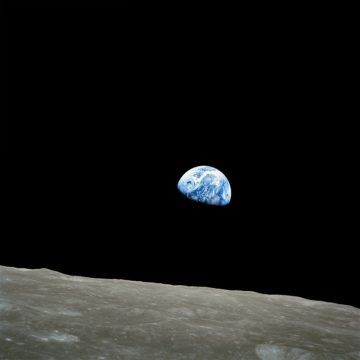 I think a lot about the fate of human civilization these days.
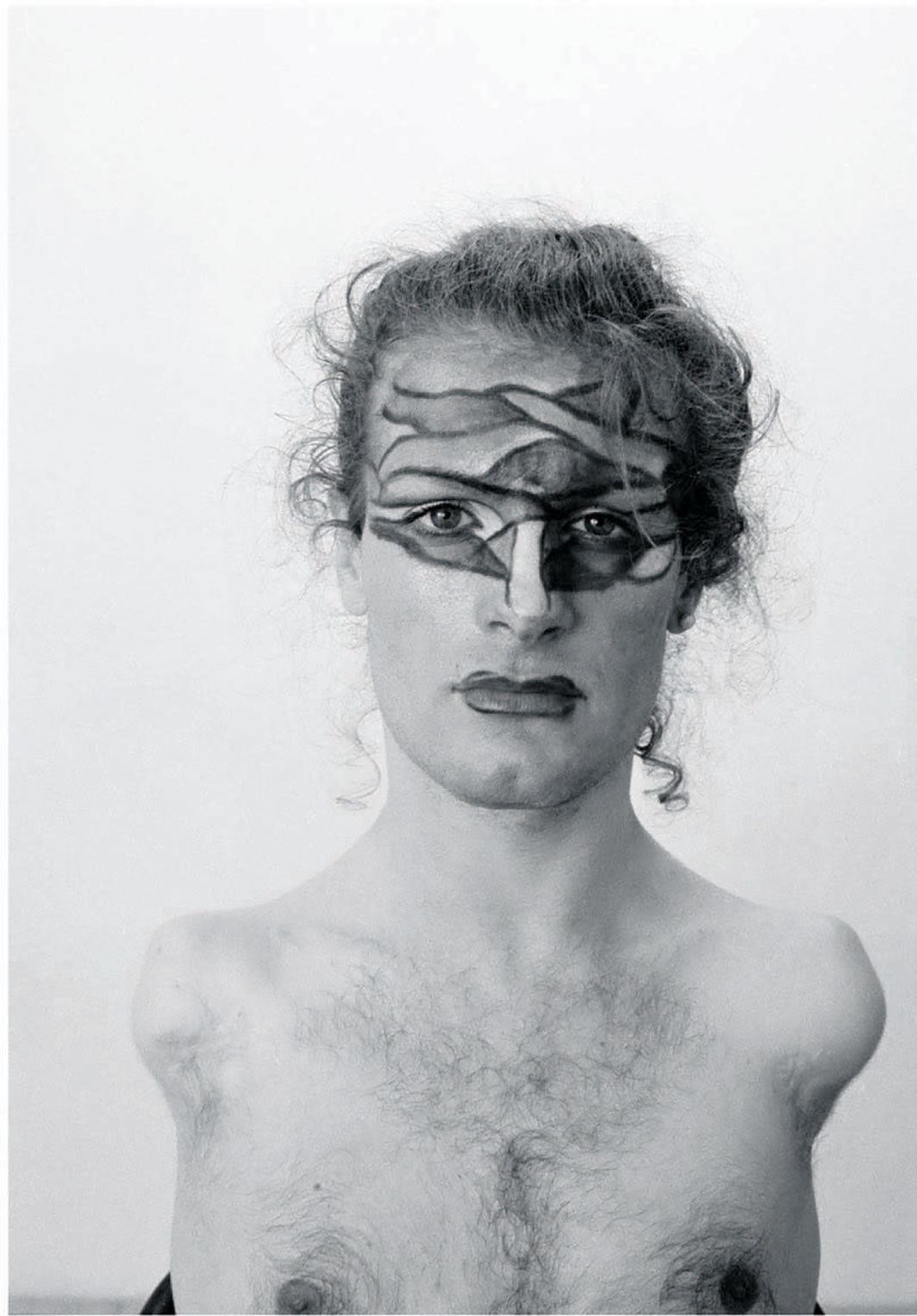 Lorenza Böttner. Face Art, 1983.