
by Pranab Bardhan
All of the articles in this series can be found here.
 In recent years the institution in England I have visited frequently is London School of Economics (LSE), in 1998 as a STICERD Distinguished Visitor, and in 2010-11 as a BP Centennial Professor (this was shortly after the disastrous BP oil spill in the Gulf of Mexico, so I hesitated telling people about my designation), and numerous times as visitor just for a few days. In recent times most of my interactions there have been with the development economists Tim Besley and Maitreesh Ghatak in the Economics Department and with Robert Wade, economist Jean-Paul Faguet and some years earlier, John Harriss (the political sociologist specializing in India) in the International Development Department. In recent years, apart from departmental seminars, I also gave two somewhat formal public lectures in a large LSE auditorium, once on China and India, and the other time on A New Agenda for Global Labor.
In earlier decades on my way to or from India I’d often stop in London, and go to LSE and spend some time with my friends, including Nick Stern and Meghnad Desai (since then both of these people became Lords). Meghnad once invited me to a visit at the House of Lords, showed me around and took me to lunch there. Meghnad with his distinct Afro hairdo and all has always been a flamboyant character. He used to claim to be a Marxist economist. Rumor had it that he and his first wife (Gail, who I think was related to the wealthy Guinness Family) had a summer villa in south of France, where reportedly the only book on the shelf was Das Kapital. During the Vietnam War days he was active at the LSE protests against the War. I was told that my teacher Frank Hahn, who had moved from Cambridge to LSE by then, once suggested to Meghnad, in a characteristic Frank Hahn way, to publicly immolate himself in front of the LSE building in a spectacular anti-war protest gesture (around that time some Vietnamese monks immolating themselves in protest in Saigon had hit the headlines). Later Meghnad became one of the Thatcher-admiring (or –internalizing) Labor Party members. Now I hear in India he is a Modi-admirer. He is also the Chairman of the Meghnad Desai Academy of Economics he has founded in Mumbai. Read more »
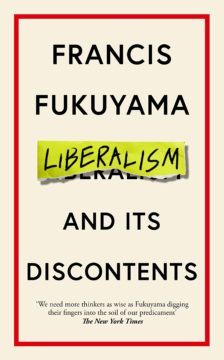 Francis Fukuyama does not mind having to play defense. Recognizing that the problems plaguing liberal societies result in no small part from the flaws and weaknesses of liberalism itself, he argues in Liberalism and its Discontents (Profile Books: 2022) that the response to these problems, all said and done, is liberalism. This requires some courage: three decades ago, Fukuyama may have captured the spirit of the age, but the spirit has grown impatient with liberalism as of late. Fukuyama, however, does not think of it as a worn-out ideal. He has taken note of right-wing assaults, as well as progressive criticisms that suggest a need to go beyond it; and his verdict is that any attempt at improvement will either stay in a liberal orbit or lead to political decay. Liberalism is still the best we have got.
 Every now and then, a nation becomes modern. Greeks and Poles and Russians were modern, for a time. Now it’s the Ukrainians’ turn.
 As the January 6th hearings continue and Americans watch
  I knew it was coming, yet I was still surprised when it hit my classroom.
 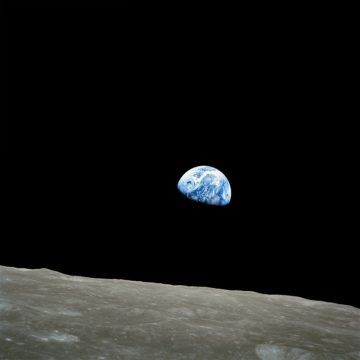 I think a lot about the fate of human civilization these days.
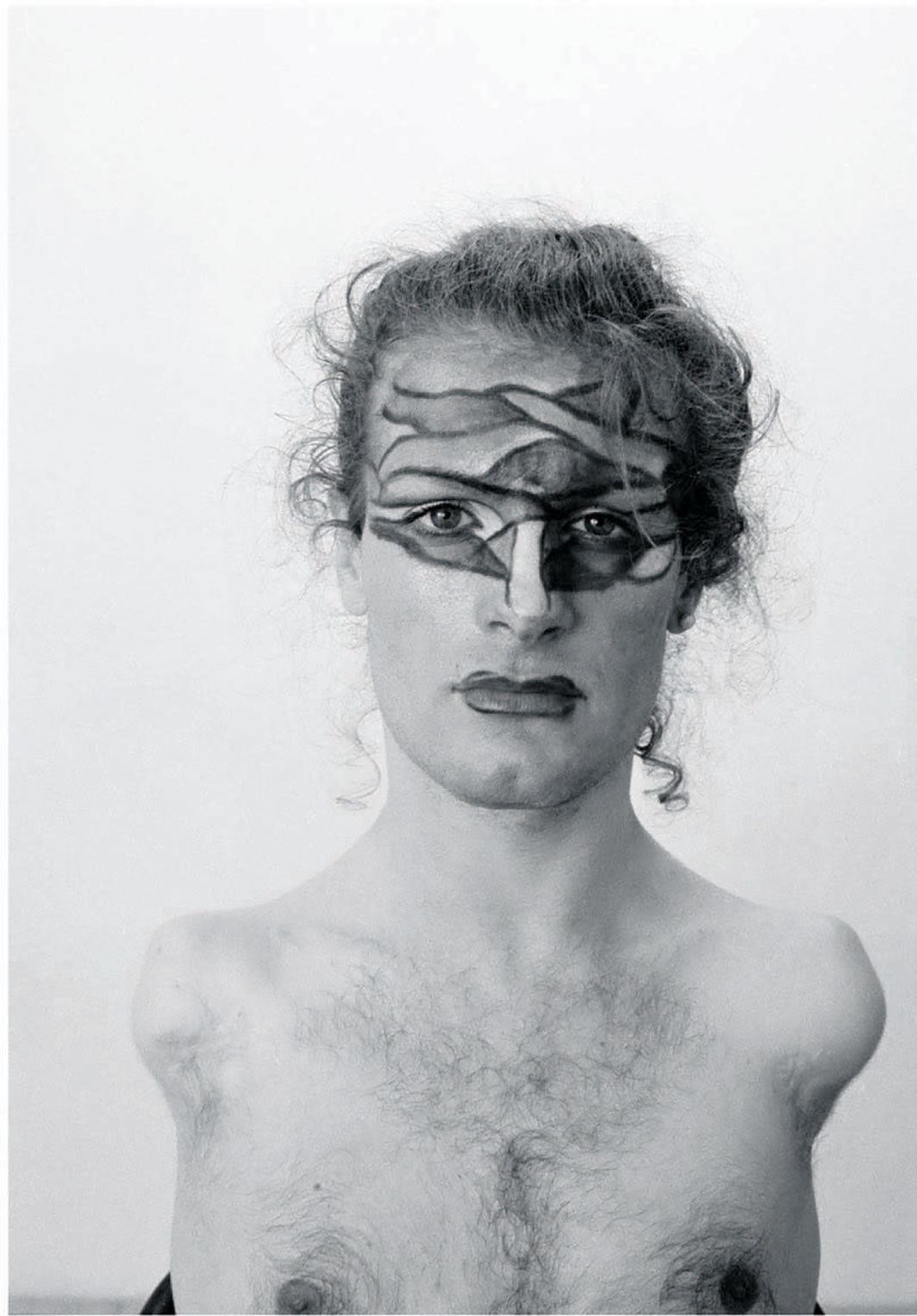 Lorenza Böttner. Face Art, 1983.
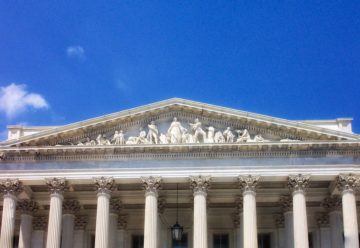
 Elections have consequences. Sometimes those consequences may be unintended, but they are always there. Elections have consequences. You can’t say it too many times because too many voters don’t act if they believe it. They should. Elections have consequences.

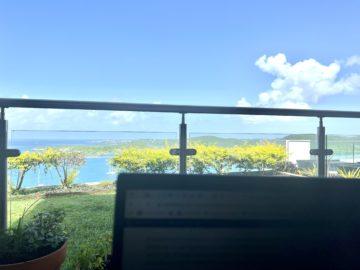 I recently started a new job. The process of looking and interviewing for this job was unlike any other I’ve been through because I now live on the Caribbean island of Grenada. I moved here during the height of the pandemic when everyone was working from home. When I told my plans to the company I was working for then, their only comment was that I needed to stay domiciled in the US, which I have. But now that we’ve all gone back to some kind of post-COVID normalcy (even if variants are still coming at us hard and fast), I wasn’t sure how to approach a new company with my slightly unusual living situation. My initial thoughts were that I get through a first interview before bringing it up, but that seemed not only disingenuous but also pointless; they were going to have a problem with it, or they weren’t. Putting off the reveal was just a waste of everyone’s time. And so, I mostly led with this news. Amazingly, no one cared.
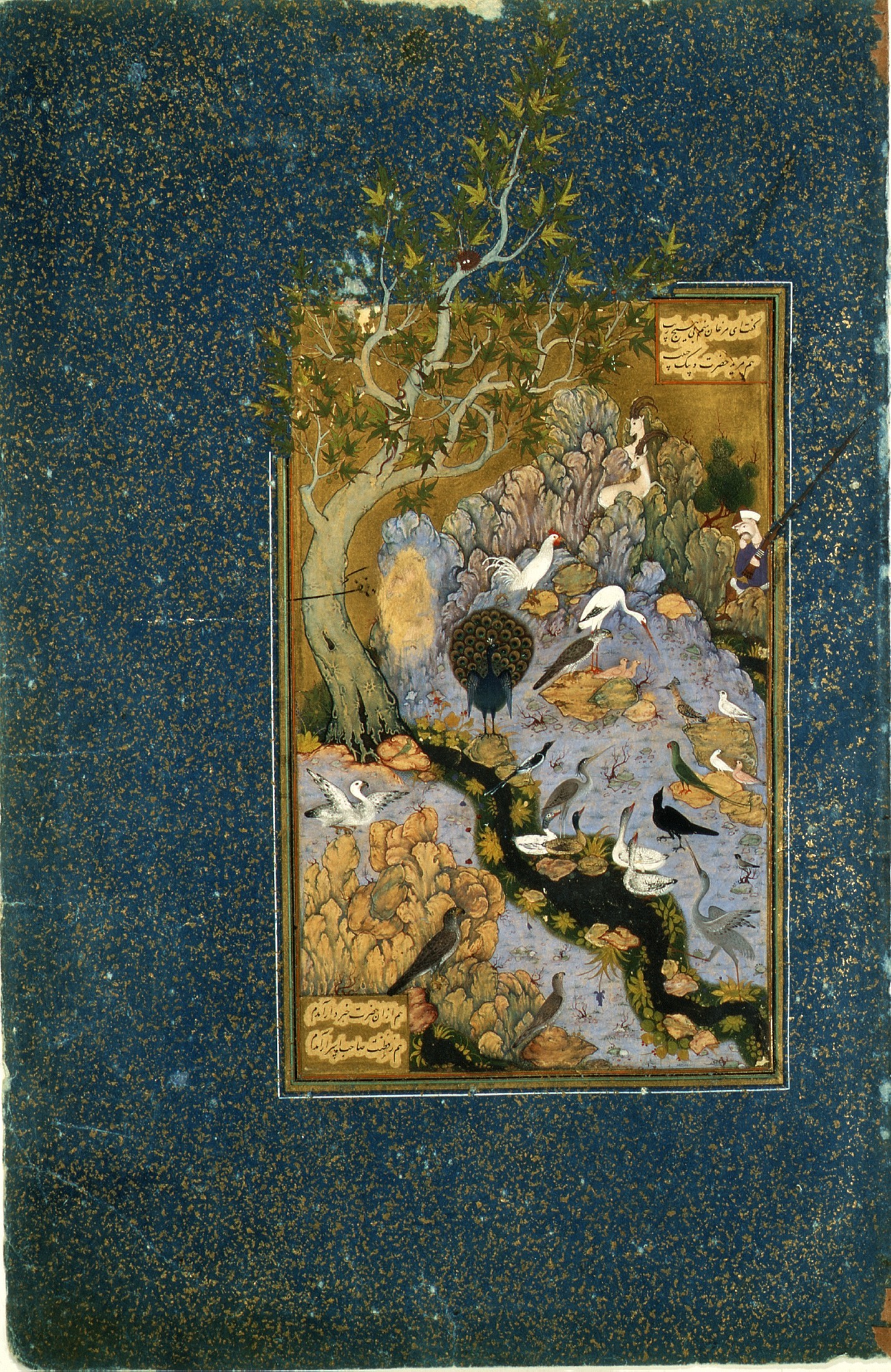 Habiballah of Sava. Concourse of The Birds, ca. 1600