by Ethan Seavey
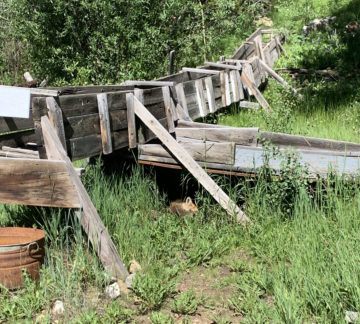 The Welcome Center museum isn’t exceptionally well-known. I often hear variations of the same phrase: “Oh, I’ve been coming to Breckenridge for years and never knew there was a museum back here!” It does get a lot of foot traffic, though, because (as its name implies) it is in the back of the Welcome Center building.
As a docent, most of my job entails telling confused tourists to grab a map at the tourism office at the front of the building, or to find the toilets near the tourism office at the front of the building, or to find hiking guides in the stands in the tourism office at the front of the building. If they’re still confused, I’ll add, “This back here is our Welcome Center Museum! Lots of local history in this building. If you have any questions, I’m happy to help!”
Many (if not most) of our visitors stumble across the museum by accident, but they’re tourists, which means they have time to kill and don’t mind wandering around a place which they had no intention of visiting a few moments earlier. One such woman walked in last week. At the time, I was explaining to another guest the concept of dredge mining. Over the guest’s shoulder, a peripheral smile indicated to me that she was waiting for me to finish speaking. Read more »

 After LSE I have seen Jean Drèze mostly in India, usually in conferences in Delhi and Kolkata, and at Amartya Sen’s home in Santiniketan (where he used to stay whenever the two of them were writing books together). The Kolkata conferences were the annual ones that Amartya-da used to organize for some years, held usually at the Taj Bengal five-star hotel, which Jean would refuse to stay in. While others would take the 2-hour flight from Delhi to Kolkata, Jean would take the 24-hour train in the crowded second-class compartment. Then he’d call me and often stay with me in my Kolkata apartment. If Kalpana was around and it was winter she’d warm the bath water for him and arrange a comfortable raised bed for him; but Jean would refuse even those minor luxuries, and insist on taking cold showers and sleeping on the floor.
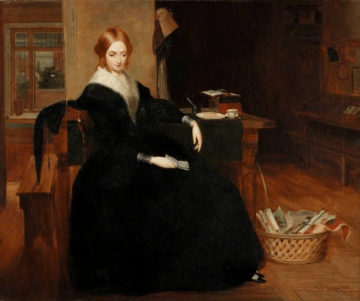 A little while ago my friend Bethany requested that I write an essay on the following topic: “Can/should pedantry be reconstituted as a virtue, maybe particularly for women.” I filed it away on my list of possible future essay ideas, but like a
 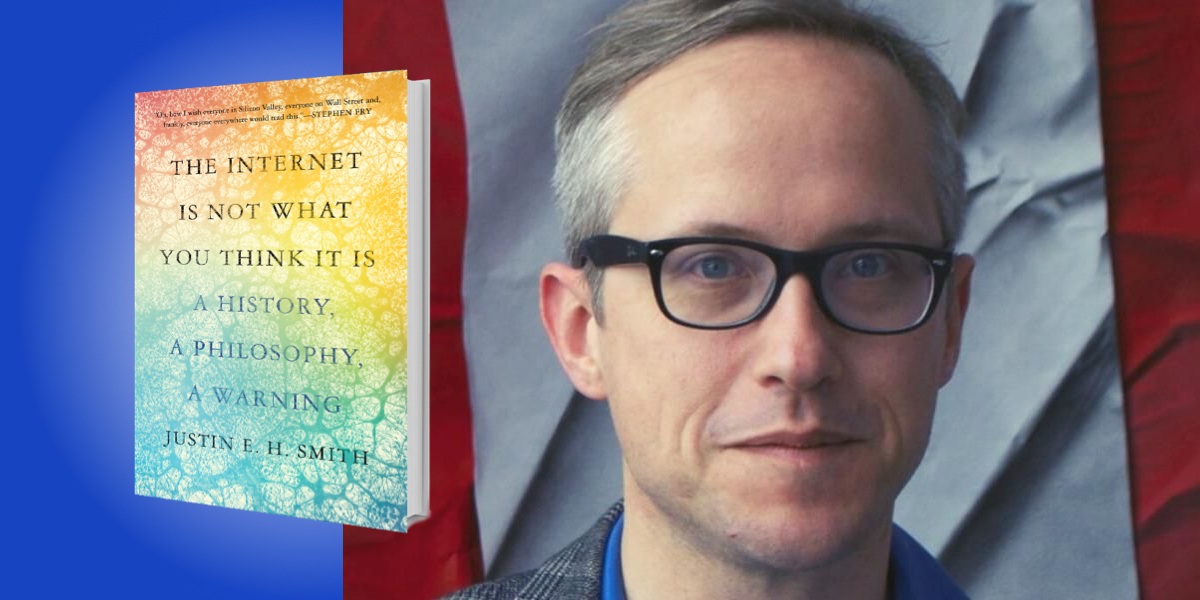 Justin E. H. Smith’s recent book,
  I’m not sure what Americans were like in the 18th and 19th century, but they have to have been a lot tougher, less whining, less self-important and paradoxically more exceptional without thinking they were exceptional than Americans of today.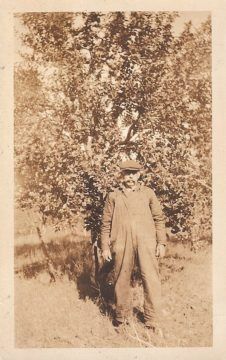
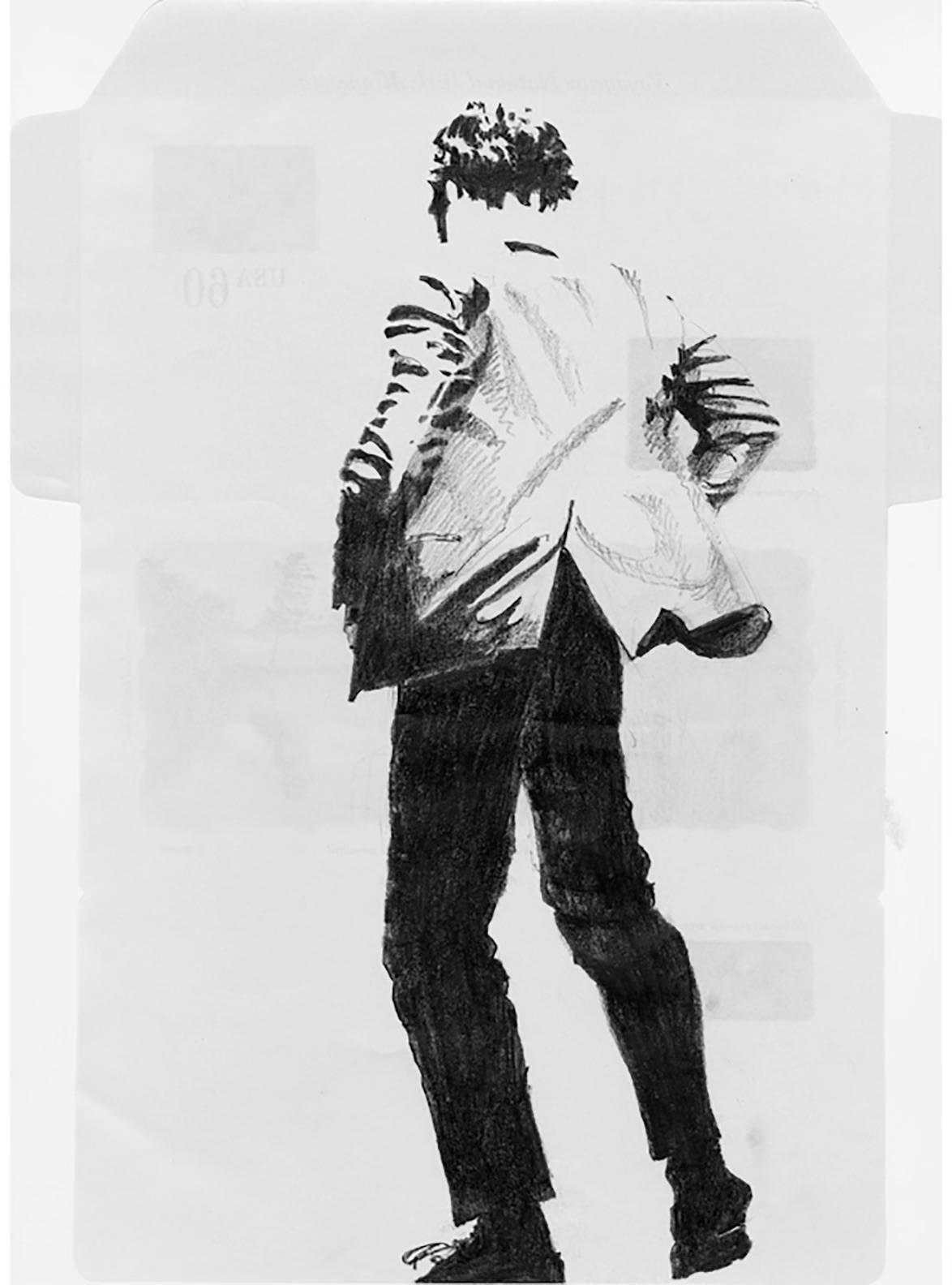 Sughra Raza. Untitled, ca 2008.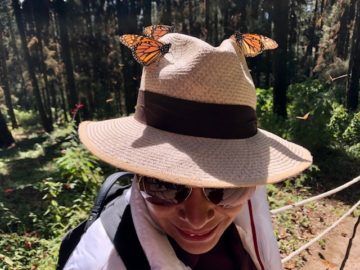


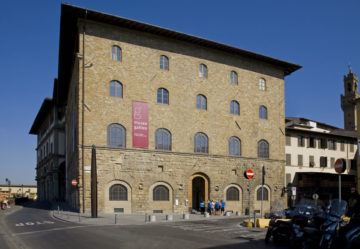 This past spring, I found myself sitting, masked, at a wooden desk among a scattering of scientific researchers at the Museo Galileo in Florence. Next to me was a thick reference book on the history of astronomical instruments and a smaller work on the sundials and other measuring devices built into the churches of Florence to mark the cyclical turning points of cosmic time. The gnomon of Santa Maria del Fiore, for instance, consisted of a bronzina, a small hole set into the lantern ninety meters above that acted as a camera oscura and projected an image of the sun onto the cathedral floor far below. At noon on the day of the solstice, the solar disc superimposed itself perfectly onto a round marble slab, not quite a yard in diameter, situated along the inlaid meridian. I studied the explanations of astronomical quadrants and astrolabes and the armilla equinoziale, the armillary sphere of Santa Maria Novella, made up of two conjoined iron rings mounted on the façade that told the time of day and year based on the position of their elliptical shadow, when all at once it occurred to me that I’d wanted to write about something else altogether, about a person I occasionally encountered, a phantom living somewhere inside me: the young woman who’d decided not to leave, not to move to Berlin after all, to rip up the letter of acceptance to the art academy she received all those years ago and to stay put, in New York. Alive somewhere, in some other iteration of being, was a parallel existence in an alternative universe, one of the infinite spheres of possibility in which I’d decided differently and become a different woman.
 Although by no means the only ones, two models of human beings and their relation to society are prominent in modern social and political thought. At first glance they seem incompatible, but I want to sketch them out and start to establish how they might plausibly be made to fit together.