by Charlie Huenemann
 Justin E. H. Smith’s recent book, The Internet Is Not What You Think It Is: A History, A Philosophy, A Warning (Princeton UP 2022) has received plenty of notice here on 3 Quarks Daily, and for good reason. Smith’s books and essays always remind us that, no matter how bizarre and ironic some recent damn thing is, we are always part of a long anthropological history of bizarre irony, and indeed the harder you look the more bizarre and ironic it all gets. At least, I think that is one of the main vibes of 3QD: seeing where we are in some map of the strange natural/cultural universe.
There are plenty of books complaining about the evils of the internet, and to be sure Smith offers four complaints: it is addictive, it warps human lives through algorithms, it is ruled by corporate interests, and it serves as a universal surveillance device. There is enough evidence, both objective and anecdotal, that too much time on the internet turns one’s brain into a Twitter slushie that leaves one in no condition to meditate upon difficult problems, but instead only to scroll and click and scroll and click at digital gewgaws, feeling empty and alone, a terrible feeling one then tries to escape with more scrolling and clicking.
Moreover, all this clicking and scrolling is not merely worthless distraction, but serves corporations that fatten themselves on our data. Smith shares the term “data cow,” and we need only to read it to imagine an industrial dairy production facility in which humans are milked for their attention, our children wailing in the distance. The genius of The Matrix was to depict this grim fact with brutal clarity: you are a battery powering an information economy that runs on you as raw supply. Sure, you get tasty illusions as recompense, and have fun with that. Read more »
 I’m not sure what Americans were like in the 18th and 19th century, but they have to have been a lot tougher, less whining, less self-important and paradoxically more exceptional without thinking they were exceptional than Americans of today.
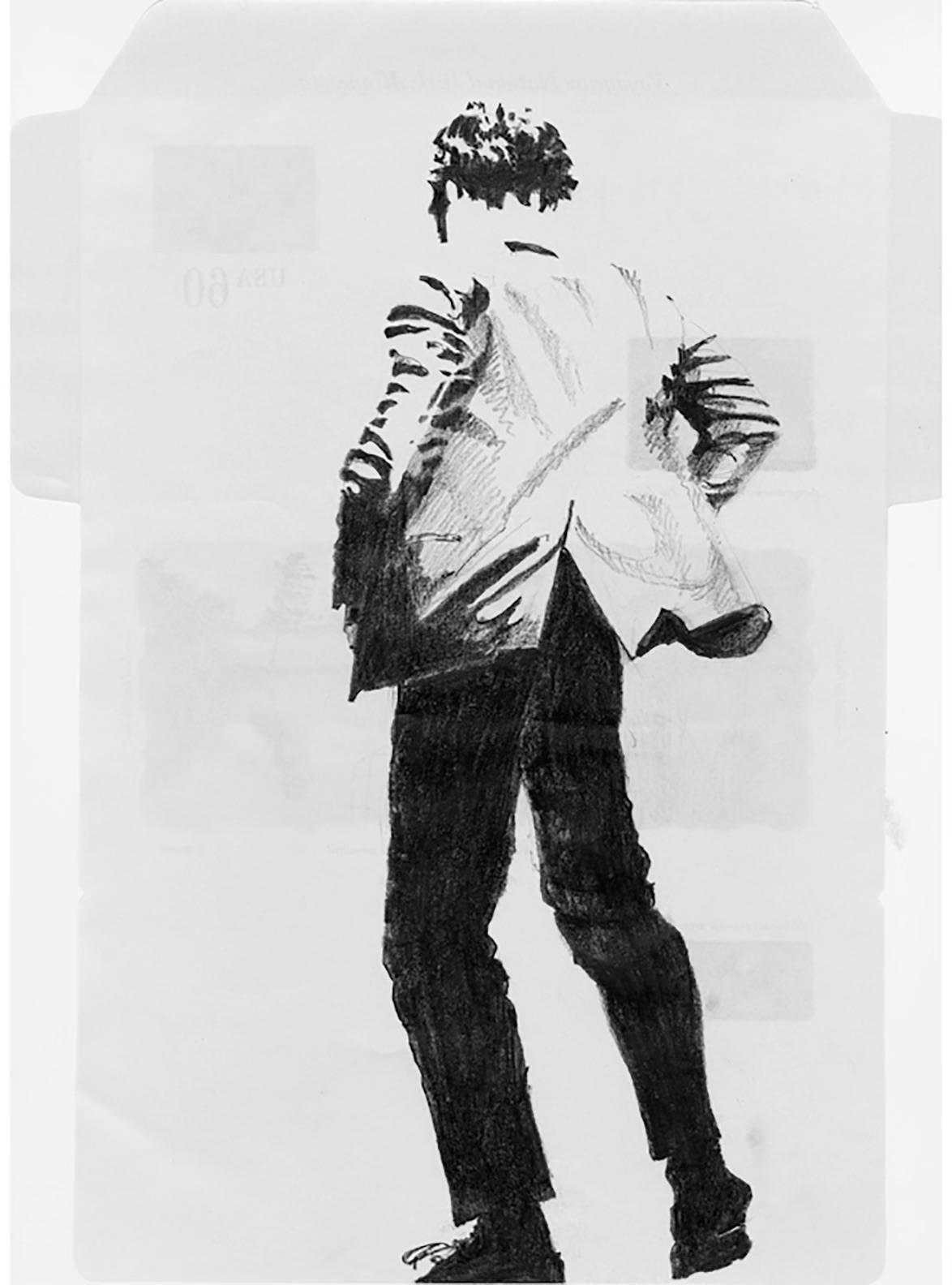 Sughra Raza. Untitled, ca 2008.



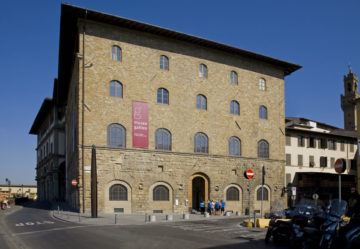 This past spring, I found myself sitting, masked, at a wooden desk among a scattering of scientific researchers at the Museo Galileo in Florence. Next to me was a thick reference book on the history of astronomical instruments and a smaller work on the sundials and other measuring devices built into the churches of Florence to mark the cyclical turning points of cosmic time. The gnomon of Santa Maria del Fiore, for instance, consisted of a bronzina, a small hole set into the lantern ninety meters above that acted as a camera oscura and projected an image of the sun onto the cathedral floor far below. At noon on the day of the solstice, the solar disc superimposed itself perfectly onto a round marble slab, not quite a yard in diameter, situated along the inlaid meridian. I studied the explanations of astronomical quadrants and astrolabes and the armilla equinoziale, the armillary sphere of Santa Maria Novella, made up of two conjoined iron rings mounted on the façade that told the time of day and year based on the position of their elliptical shadow, when all at once it occurred to me that I’d wanted to write about something else altogether, about a person I occasionally encountered, a phantom living somewhere inside me: the young woman who’d decided not to leave, not to move to Berlin after all, to rip up the letter of acceptance to the art academy she received all those years ago and to stay put, in New York. Alive somewhere, in some other iteration of being, was a parallel existence in an alternative universe, one of the infinite spheres of possibility in which I’d decided differently and become a different woman.
 Among other things London School of Economics is associated in my mind with bringing me in touch with one of the most remarkable persons I have ever met in my life, and someone who has been a dear friend over nearly four decades since then. This is Jean Drèze.
 Although by no means the only ones, two models of human beings and their relation to society are prominent in modern social and political thought. At first glance they seem incompatible, but I want to sketch them out and start to establish how they might plausibly be made to fit together.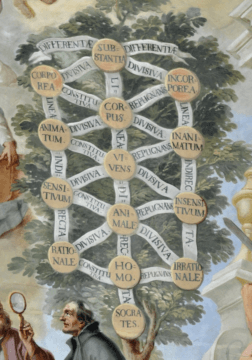
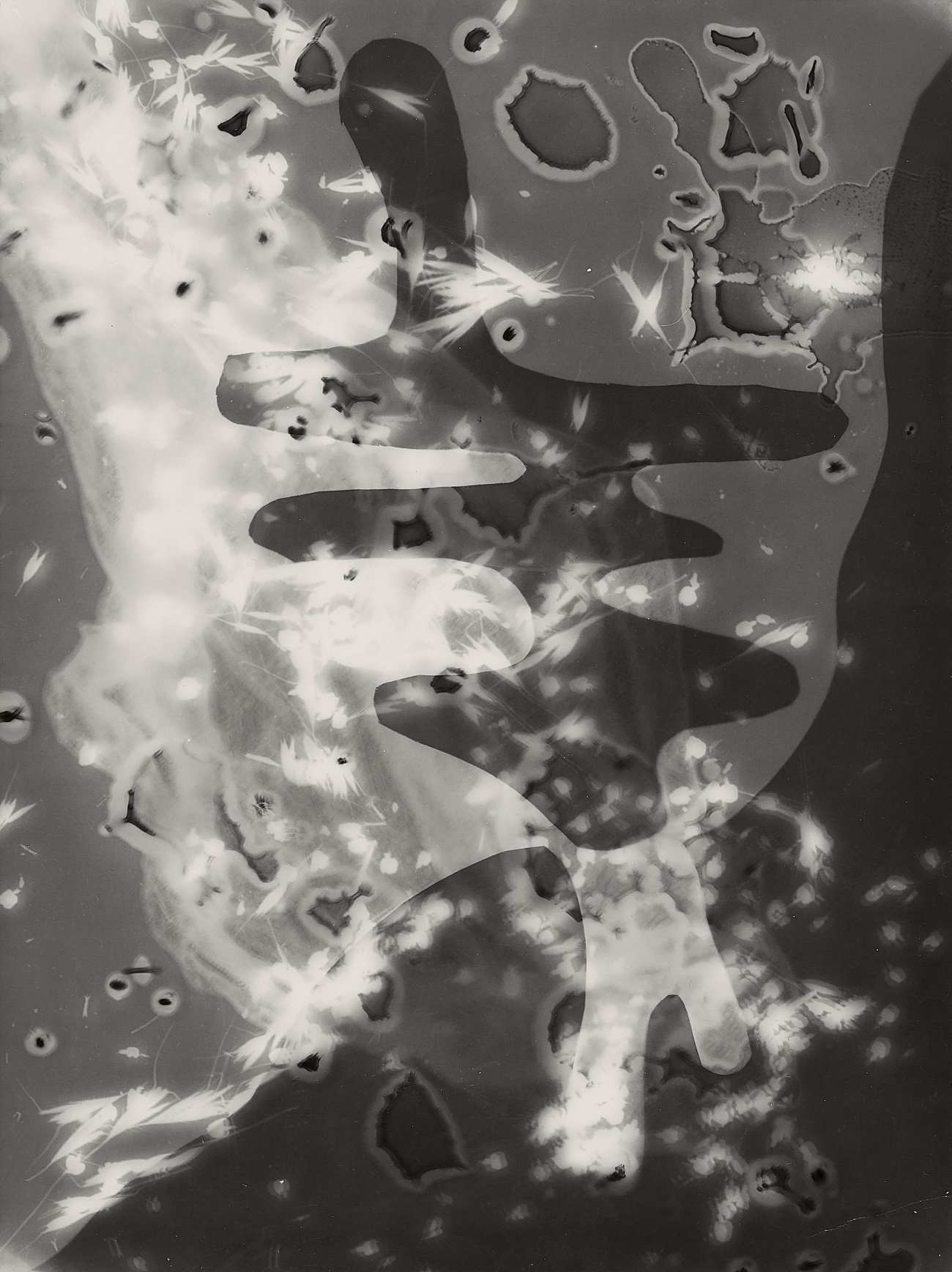 Anneliese Hager. Untitled. ca. 1940-1950