

by David J. Lobina
A truism, perhaps, and certainly meant to draw attention, at least in one way. In reality, the title of this post is intended as a playful dig on last month’s post, which really should have been called Animals Don’t Think Like Humans!, even if in the event that post was about how some academics have gone about studying human thought via the study of the psychology of other animal species – and in that event, the post concentrated on the excesses of some philosophers. Similarly, this post will be about how some psychologists have gone about studying adult human thought via the study of the cognition of preverbal children (roughly, children under the age of 4), and about their excesses (the scholars’, in this case, not the children’s, though both go without saying). So, in a nutshell, this is Take 2: The Preverbal Case.
At first sight, the cognition of preverbal infants may be more relevant to the study of human thought than that of other animal species, these being human subjects, though not yet in possession of a natural language, but some caution must be exercised here too. No-one doubts that acquiring a natural language results in great cognitive benefits – a languageless mind is an impoverished mind. The issue here has to do with the sort of conclusions some scholars have derived about (adult) cognition on the basis of data from infant cognition.
The discussion will revolve around two questions: whether it is at all possible to neatly separate thinking and linguistic abilities in the cognition of infants and toddlers, and the question of whether it is possible to conclude that a specific conceptual ability depends upon acquiring a specific linguistic ability. It is in fact quite common to find claims to the effect that a specific conceptual ability depends on acquiring a specific language ability, and it is this particular conclusion that I will argue here ought to be resisted. Read more »


 Being in Berkeley for more than four decades I have met and encountered many leftists and several of them are/were radical in their politics, though in recent years the radical fervor has been somewhat on the decline even in Berkeley. I remember some time back reading one east-coast journalist describing Berkeley, with a pinch of exaggeration, as moving from being the Left capital of the US to being its gourmet capital—this transition is, of course, most well-known in the case of Alice Waters who, a Berkeley activist in the 1960’s, started her iconic restaurant Chez Panisse in the next decade, though she herself considers the novel approach to food embodied in that restaurant—insistence on fresh ingredients and cooperative relations with local farmers– as growing out of the same counter-culture movement. (This transition was, of course, much more agreeable than some of the militant Black Panther leaders of 1960’s Oakland turning to Christian evangelism).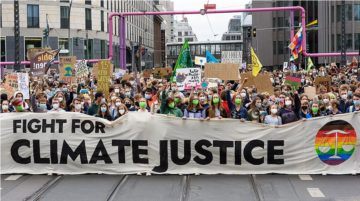



 Sughra Raza. Self Portrait in The November Sun, 2020.


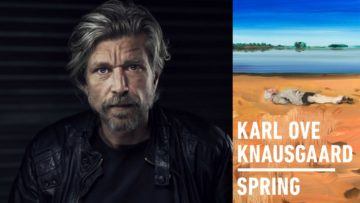 Going back and reading one’s favorite authors is like seeing an old friend after a long absence: things fall into place, you remember why it is you get along with and like the other person, and their idiosyncrasies and unique character reappear and interact with your own, making old patterns reemerge and lighting up parts of you that have long been dormant.