by Carol A Westbrook

The new research technician walked into my lab at the University of Chicago, and I introduced her to my research group.
“I enjoyed the walk from home to the lab,” she added. “Everyone in Hyde Park is so friendly! Why just today I stopped to talk to a gardener. He proceeded to tell me about the corn plants he was cultivating. He showed me how he pollinates the plants by hand, and he began to discuss the complicated genetics of corn. “Honestly, Hyde Park is a very impressive place to live. Even the gardeners are highly educated!”
Everyone laughed. “Looks like you came across George Beadle,” someone said. “He’s a Nobel laureate and former president of the University. He’s now retired and doing the research that he always wanted—to determine the origin of the corn plant using genetics.” He likes nothing more than to discuss his theories with anyone who walks by, and spends his day working in his beloved corn fields, where he is doing his research on corn plants.”
This is a true story. George Beadle won the Nobel prize in 1958 for his genetic work on the mold Neurospora, which led to the “one gene-one enzyme” theory, a true breakthrough in understanding the function of DNA. But Nobel prize or no Nobel prize, Beadle’s real passion was the work he started while a graduate student at Cornell University, and that is to solve the mystery of corn’s origin. Read more »

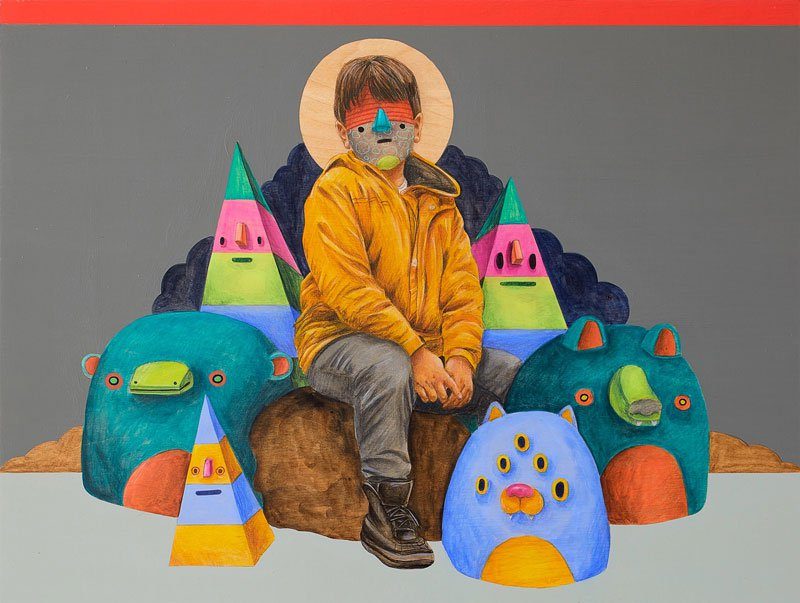 Carlos Donjuan. Together Alone.
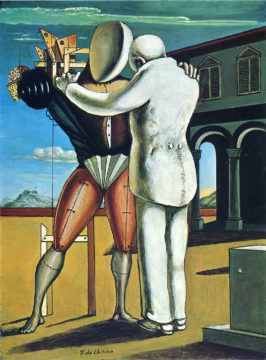 A philosopher and a stand-up comedian walk into a bar…the beginning of a joke? Or perhaps a history of humanity from the margins. The philosopher and the stand-up comedian are two figures that keep reappearing across the ages, cutting familiar silhouettes of odd bodies making odd claims about the world and its inhabitants.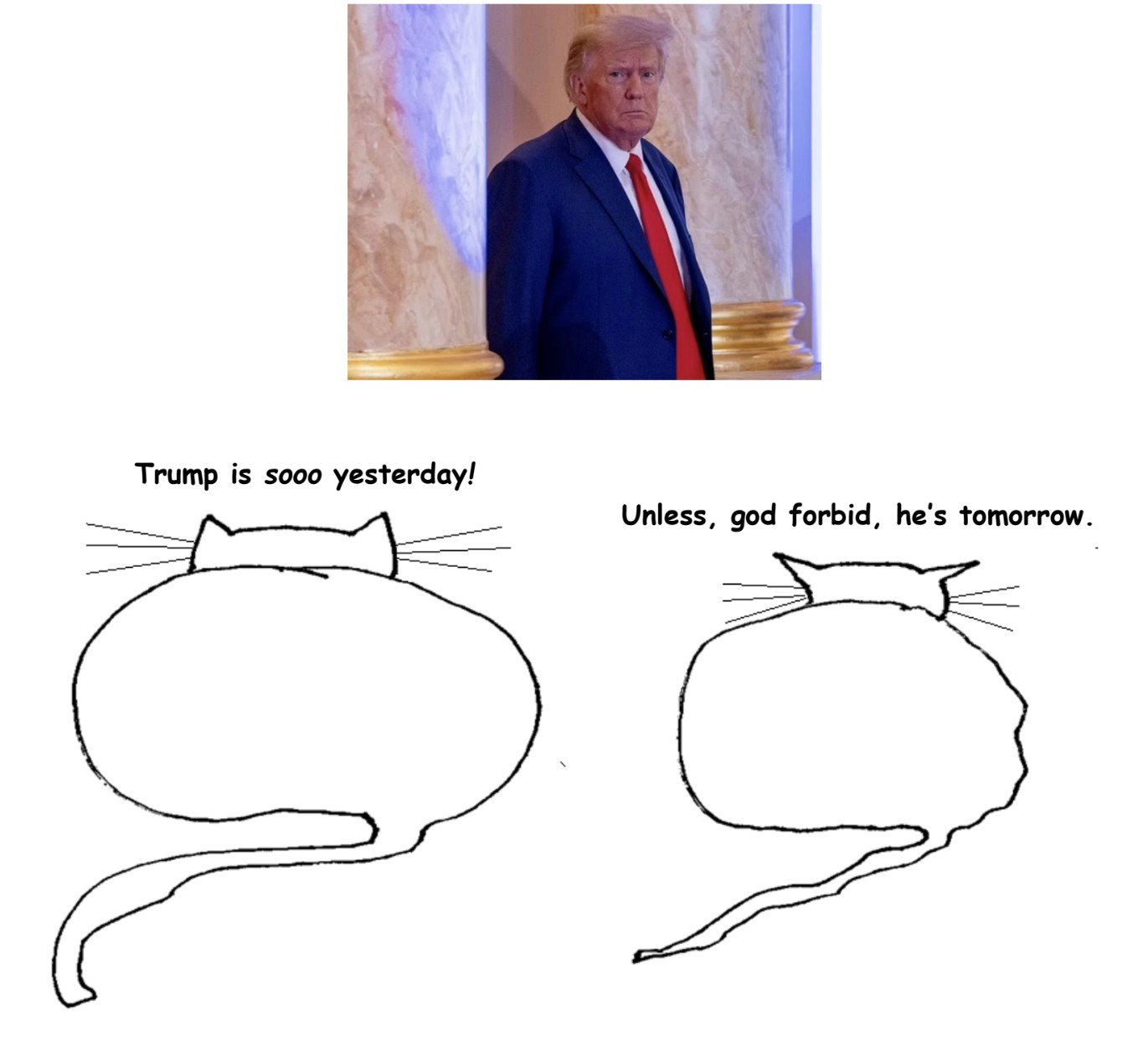
 First, because Moses, or the prophet Musa as we know him in the Quran, is an unusual hero— a newborn all on his own, swaddled and floating in a papyrus basket on the Nile— my brothers and I couldn’t get enough of his story as children. Second, it is also a story of siblings: his sister keeps an eye on him, walking along the river as the baby drifts in the reeds farther and farther away from home, his brother, the prophet Harun accompanies him through many crucial journeys later in life, another reason the story was relatable. Returning to the narration as a young woman, a mother, I found myself more interested in the heroines in the story: Musa’s birth-mother whose maternal instinct and faith are tested in a time of persecution, the Pharaoh’s wife Asiya who adopts the foundling as her own, confronting her megalomaniac husband’s ire and successfully raising a child of slaves and the prophesied contender to the pharaoh’s power under his own roof. As a diaspora writer, especially one wielding the colonizer’s tongue and negotiating the contradictory gifts of language, I have yet again been drawn to Musa. He is an outsider and an insider— one who carries a “knot on his tongue”— the burden of interpreting and speaking, not entirely out of choice, to radically different entities: God, the Pharaoh and his own people. Among the myriad facets of the legend, the most enduring is the innocence at the heart of his mythos, the exoteric quality of wisdom explored beautifully in mystic writings and poetry as a complementary aspect of the esoteric.
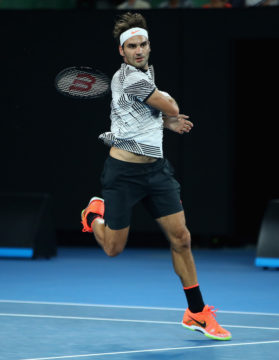 The one regret of my life so far is never having seen Roger Federer play tennis in person. As Federer announced his retirement this year, I’ll never have the chance. The closest I came was the summer of 2017: I was in Italy and planned on flying to Stuttgart to see Federer play in a grass court tournament as preparation for Wimbledon. A few weeks before I was set to leave, I applied for a job at an English language school, largely at the behest of my girlfriend, who was unhappy with the fact that I was “studying” Italian in the mornings and flâning the streets in the afternoons, all while she spent long days toiling away as an unpaid intern in a law office, a common situation in Italy. I didn’t expect to get the job—I had little experience and no real credentials—but I would soon learn that neither of these things mattered, superseded as they were by my being a native speaker. I got the job and had to cancel my trip.

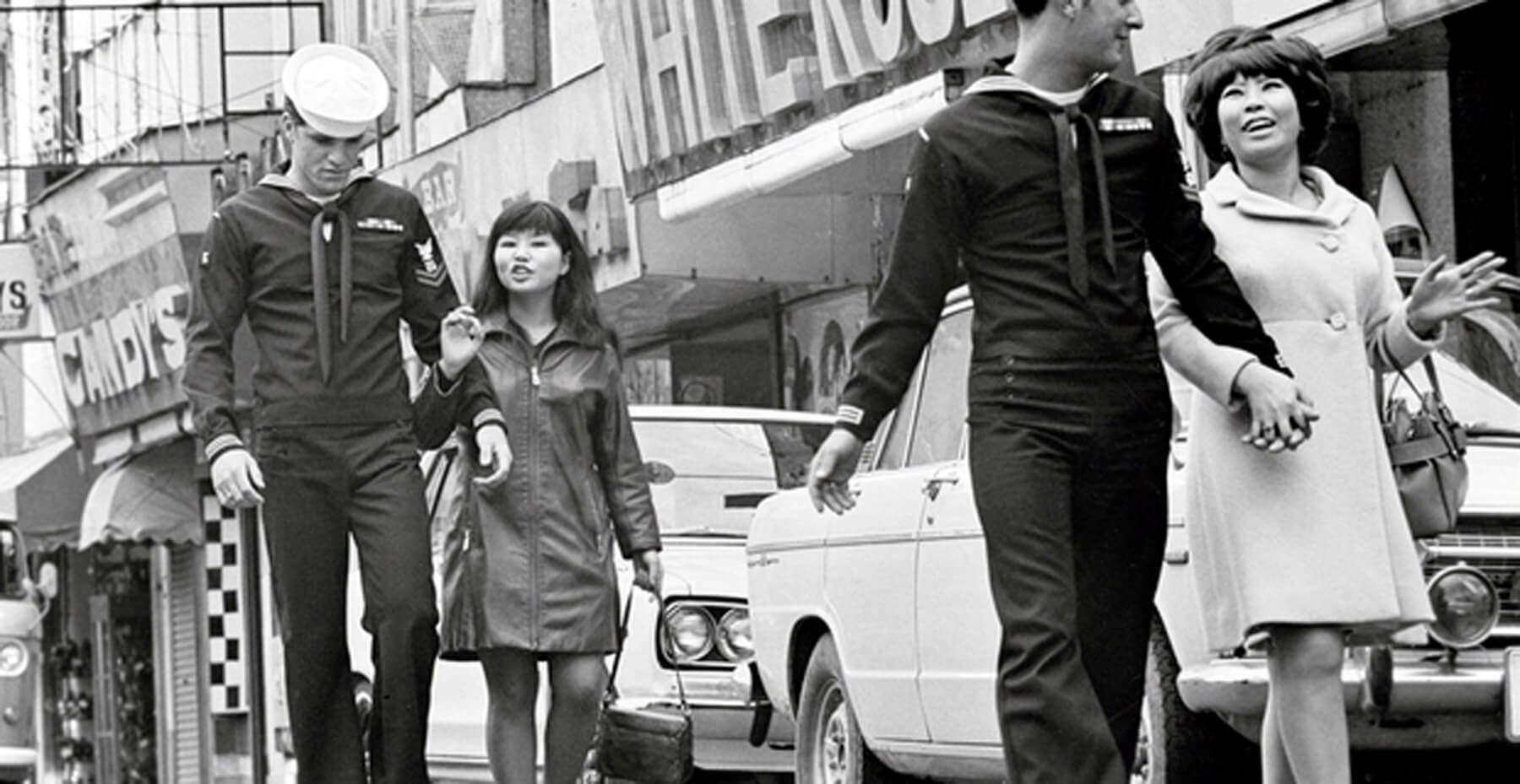 “My account omitted many very serious incidents,” writes Bertrand Roehner, the French historiographer whose analysis on statistics about violence in post-war Japan I used in my Graywolf Nonfiction Prize memoir, Black Glasses Like Clark Kent. He began emailing me at this September about a six-volume, two thousand page report concerning Japanese casualties during the Occupation that has just been released in Japanese after sixty years of suppression.