by David Greer
My property on Pender Island is just a postage stamp of a lot by rural standards, but the immensity of the surrounding stillness of the Pacific rainforest feels more precious to me than the numbers representing its square footage. With no other human dwellings within sight or hearing, the stillness is the silence of a cathedral in these weeks before Christmas, with the murmurs of devoted parishioners replaced by the soft chatter of Pacific wrens among the sword ferns, the nasal queries of a red-breasted nuthatch marching down a fir trunk, the gravelly chuckle of a raven passing overhead, and the slow creaking of an antique carriage clock being rewound deep in a cedar—the winder being a Pacific chorus frog perilously close to dormancy on a day threatening a hard frost. Much less audible, high in the canopy, are the whisperings of the tiny insect-hunters and seed-eaters that depend on the treetops for food: chestnut-backed chickadees, golden-crowned kinglets, pine siskins.
In this part of the world, on this island in the Salish Sea, the trees grow very large indeed. The aptly named grand firs may reach 250 feet and Douglas-firs are frequently taller, over 300 feet in some cases. In height though not in majesty they overshadow the western red cedars and bigleaf maples that dominate the glade in which my cabin stands, a quarter mile from the Canadian edge of Haro Strait and within hearing of the largest of the massive container ships struggling against the incoming tide.
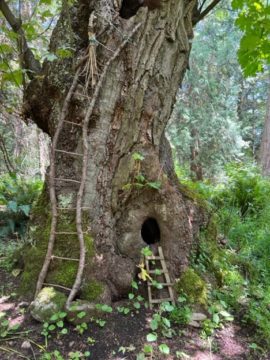
Every tree has its own character. Outside the cabin stands a massive bigleaf maple (Acer macrophyllum) that has been through the wars but has risen again to defy the next winter storm. From time to time she drops branches as big as smaller trees (I have watched them fall) yet still carries on like some old limbless veteran, surviving by sheer will despite gaping holes in her trunk that delight children with supple imaginations. Read more »
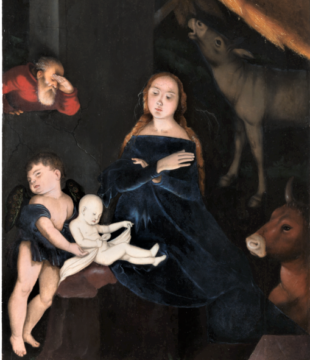
 When people take to the street to protest this is often supposed to be a sign of democracy in action. People who believe that their concerns about the climate change, Covid lockdowns, racism and so on are not being adequately addressed by the political system make a public display of how many of them care a lot about it so that we are all forced to hear about their complaint and our government is put under pressure to address it.
 Carl Weinberg, in his excellent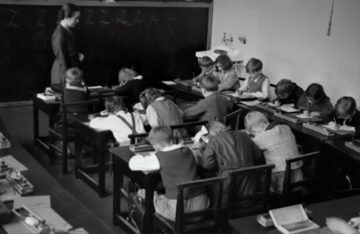
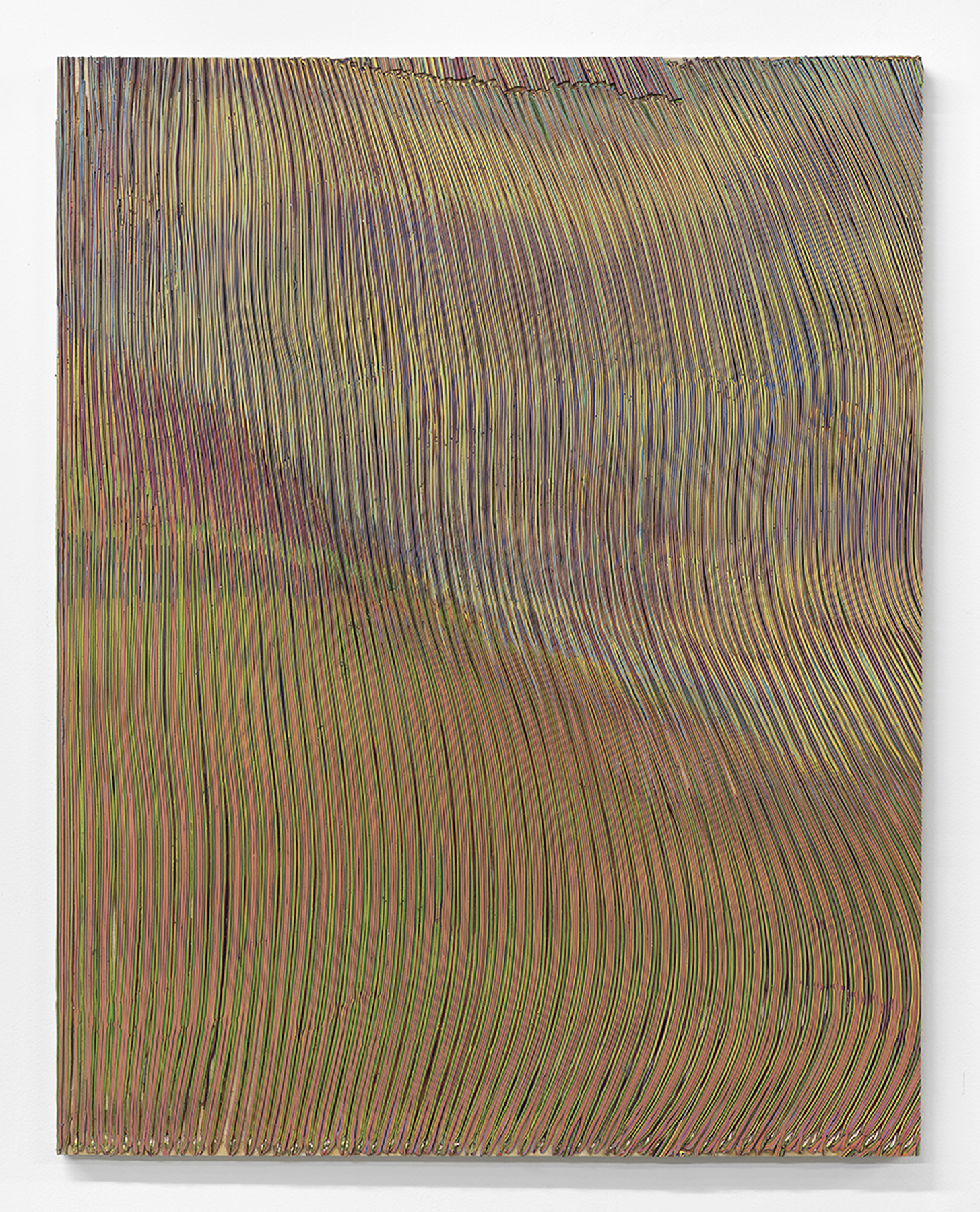 Loriel Beltran. P.S.W. 2007-2017



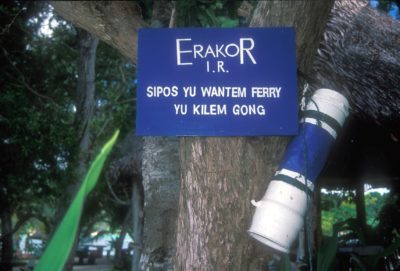 It’s 6:15 on the Erakor Lagoon in Vanuatu. Women in bright print skirts paddle canoes from villages into town. Yellow-billed birds call from the grass by the water’s edge, roosters crow from somewhere, and the low rumble of the surf hurling itself against the reef is felt as much as heard.