by Mark Harvey
I would go home to eat, but I could not make myself eat much; and my father and mother thought that I was sick yet; but I was not. I was only homesick for the place where I had been. –Black Elk
According to Lakota Indians, in early June of 1876, the great tribal chief Sitting Bull performed a sun dance in which he cut 100 pieces of flesh from his arms as an offering to his creator and then danced for a day and a half. He danced until he was exhausted from the dancing and the loss of blood and then fell into a vision of the coming battle with General George Custer at Little Big Horn. Moved by his vision, thousands of Cheyenne, Lakota, and Arapahoe warriors attacked Custer’s 7th Cavalry Regiment on June 25th, 1876, and overwhelmingly defeated it in what is today southeastern Montana. In the battle, Custer, two of his brothers, and a nephew were killed along with 265 other soldiers.
The battle was inevitable. The Bureau of Indian Affairs had insisted that the Lakota remove to a reservation by January 31, 1876, to accommodate white miners and settlers in the area. The Indians hated the idea of living on a reservation and giving up their life of hunting on the great plains so they refused to move to the reservation. Custer was sent by General Alfred Terry to pursue Sitting Bull’s people from the south and push them north to what would be a sort of ambush. But the brash young Custer far underestimated the number of Indians gathered near the Powder River and also their ferocious resolve to fight his regiment. Read more »
 Jeffrey Gibson. Chief Black Coyote, 2021.
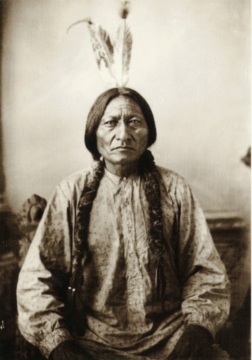
 Lucky you, reading this on a screen, in a warm and well-lit room, somewhere in the unparalleled comfort of the twenty-first century. But imagine instead that it’s 800 C.E., and you’re a monk at one of the great pre-modern monasteries — Clonard Abbey in Ireland, perhaps. There’s a silver lining: unlike most people, you can read. On the other hand, you’re looking at another long day in a bitterly cold scriptorium. Your cassock is a city of fleas. You’re reading this on parchment, which stinks because it’s a piece of crudely scraped animal skin, by the light of a candle, which stinks because it’s a fountain of burnt animal fat particles. And your morning mug of joe won’t appear at your elbow for a thousand years.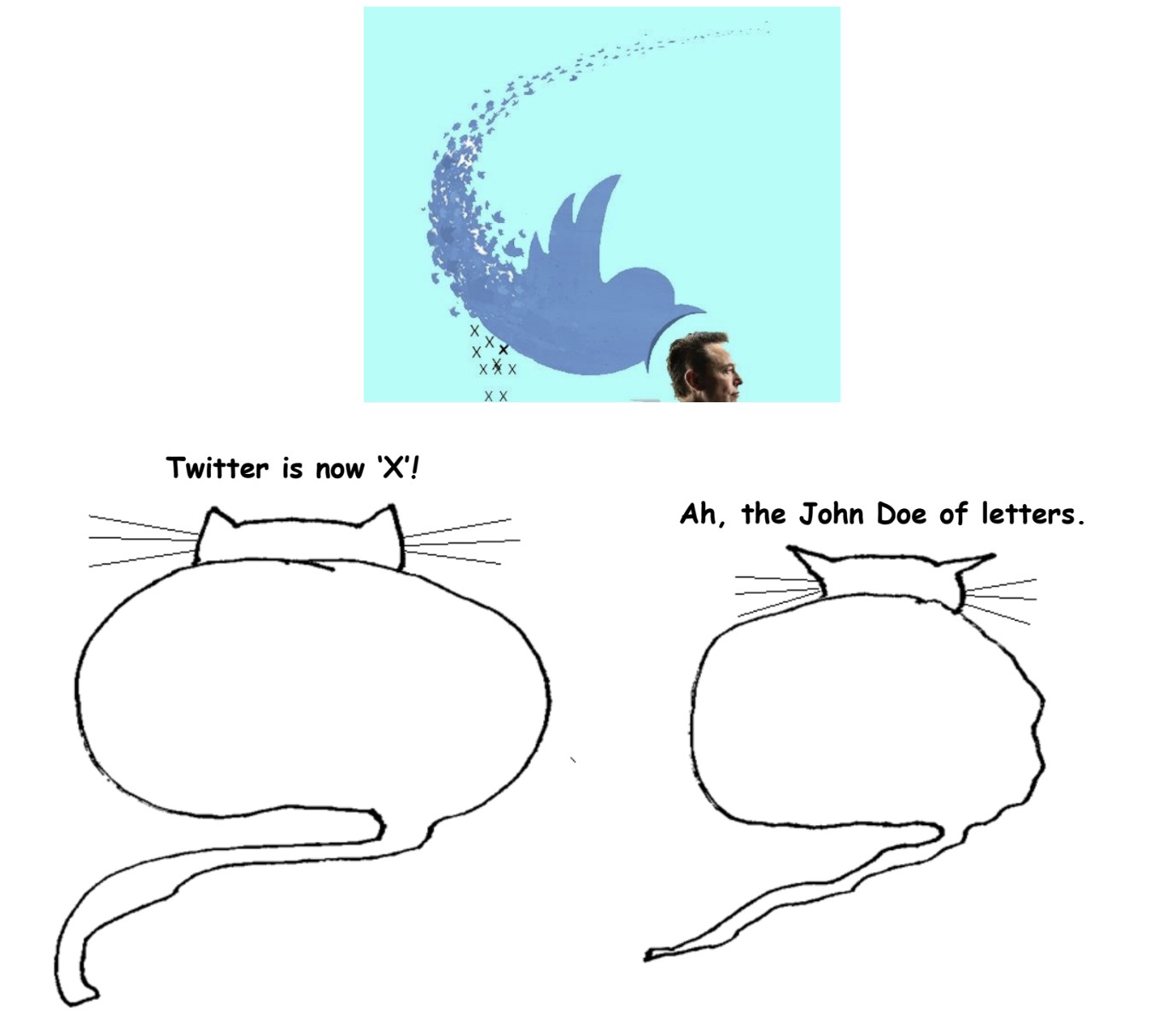
 Harry Frankfurt died on July 16, 2023. As a philosophy student I came to appreciate him for his work on freedom and responsibility, but as a high school word nerd, I came to know him the way other shoppers did: as the author of one of those small books near the bookstore checkout line. That book, On Bullshit, had exactly the right title for impulse-buying, which has to explain how Frankfurt became a bestselling author in a field not known for bestsellers.
 I had my first experience with Daylight Saving Time when I was 9 or 10 years old and living in Phoenix. Most of the country was on DST, but Arizona wasn’t. I knew DST as a mysterious thing that people in other places did with their clocks that made the times for television shows in Phoenix suddenly jump by one hour twice a year. In a way, that wasn’t a bad introduction to the concept. During DST, your body continues to follow its own time, as we in Phoenix followed ours. Your body follows solar time, and it can’t easily follow the clock when it suddenly jumps forward.

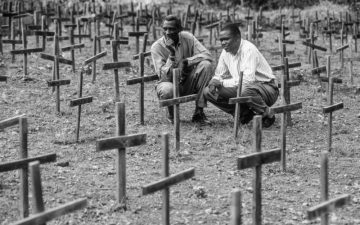 Unspeakable horrors transpired during the genocide of 1994. Family members shot family members, neighbours hacked neighbours down with machetes, women were raped, then killed, and their children forced to watch before being slaughtered in turn. An estimated 800,000 people were murdered in a country of (then) eight million. Barely thirty years have passed since the Rwandan genocide. Everywhere, there are monuments to the dead, but as an outsider I see no trace of its shadow among the living.


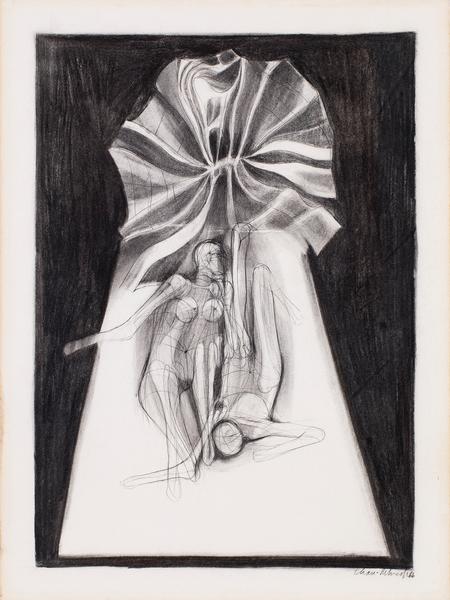 Barbara Chase-Riboud. Untitled (Le Lit), 1966.