by Steve Gimbel and Gwydion Suilebhan
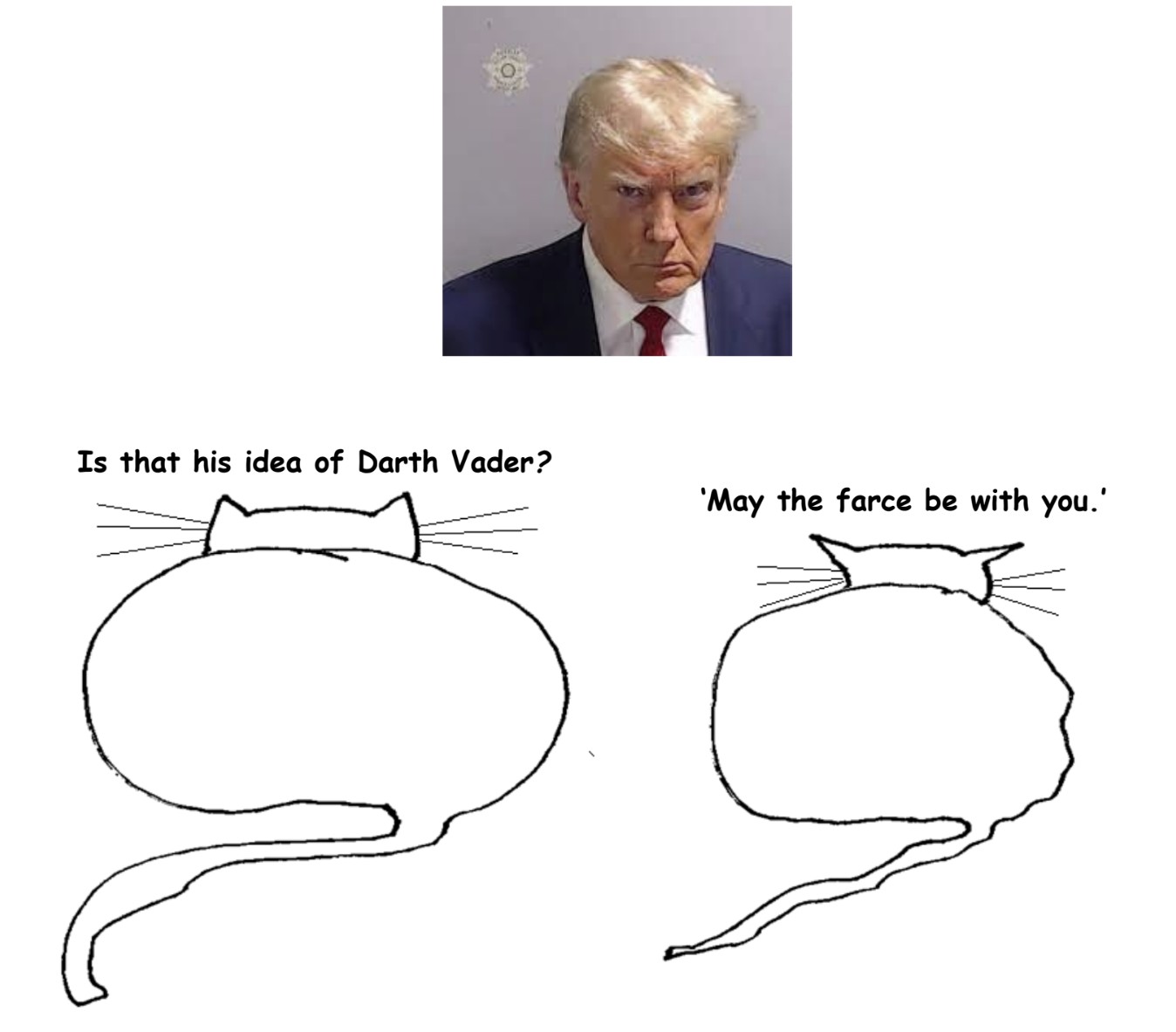
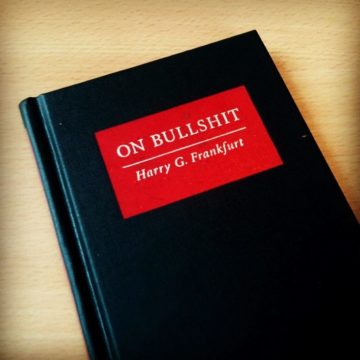 Harry Frankfurt, who died of congestive heart failure this July, was a rare academic philosopher whose work managed to shape popular discourse. During the Trump years, his explication of bullshit became a much used lens through which to view Trump’s post-truth political rhetoric, eventually becoming deeply associated with liberal politics.
Ironically, the original target of Frankfurt’s argument was an earlier “post-truth” movement: postmodernism, which became the heart of liberal political correctness in the 1980s and 1990s. Interestingly, that shift from a liberal to a conservative target illustrates the way in which postmodern machinery has infiltrated politics.
On “On Bullshit”
Frankfurt had an illustrious career as a philosopher, but his immortality rests on a cute and clever argument he published in his most famous piece, “On Bullshit.” In it, Frankfurt distinguishes between lying and bullshitting. Liars intentionally deceive, believing they know the truth and working to keep ownership of it to themselves. Bullshitters, on the other hand, are perfectly happy to convey the truth… as long as doing so serves their pragmatic rhetorical goals. Bullshitters want you to believe something and are comfortable using either truth OR lies to shape your views. Read more »
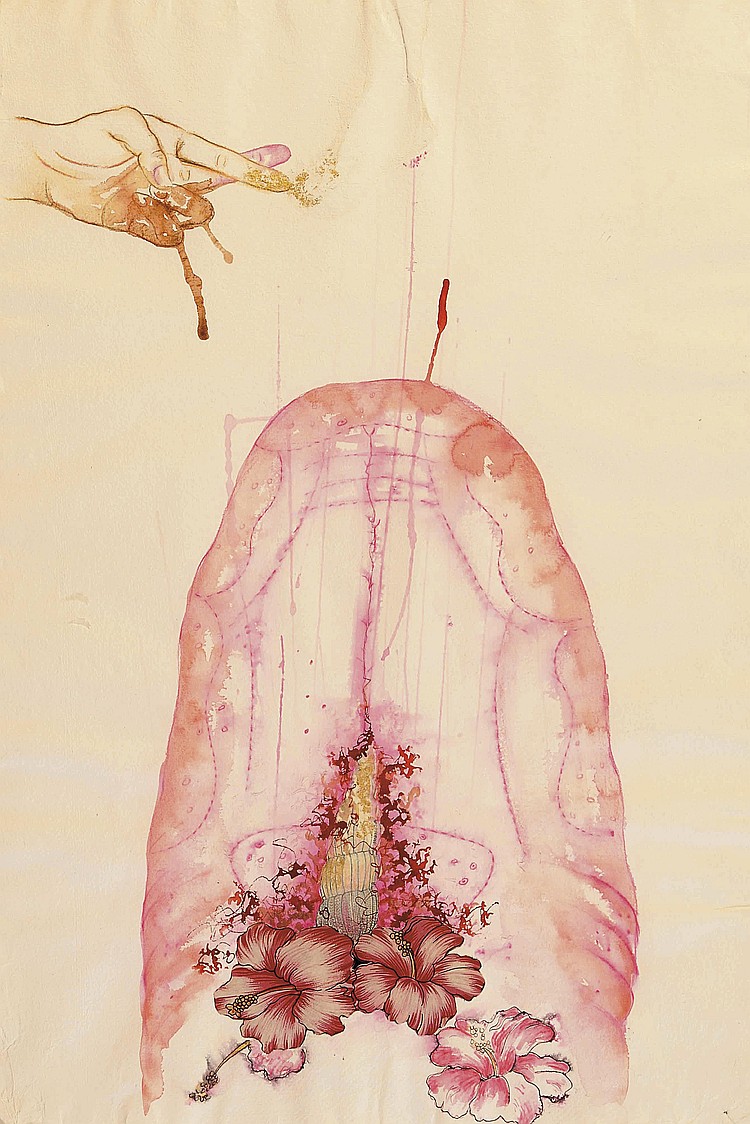
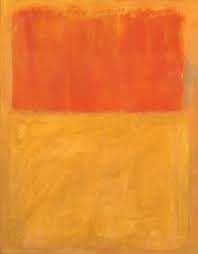 Aesthetic properties in art works are peculiar. They appear to be based on objective features of an object. Yet, we typically use the way a work of art makes us feel to identify the aesthetic properties that characterize it. However, dispassionate observer cases show that even when the feelings are absent, the aesthetic properties can still be recognized as such. Feelings seem both necessary yet unnecessary for appreciation of the work.
 ed to be protected from blasphemy, I must have overheard someone say
 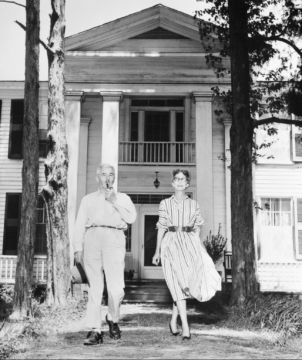 The other day, over cigarettes and beer, my friend M. told me the story of the Ghost Cop of Rowan Oak. She was speaking from authority, as she had just encountered it a few days before. Her boyfriend P. was there—both at Rowan Oak and on my front porch with the cigarettes and the beer—and it was nice to watch them swing on the swing and finish each other’s sentences.



 Today marks eight years since I had my last drink. Or maybe yesterday marks that anniversary; I’m not sure. It was that kind of last drink. The kind of last drink that ends with the memory of concrete coming up to meet your head like a pillow, of red and blue lights reflected off the early morning pavement on the bridge near your house, the only sound cricket buzz in the dewy August hours before dawn. The kind of last drink that isn’t necessarily so different from the drink before it, but made only truly exemplary by the fact that there was never a drink after it (at least so far, God willing). My sobriety – as a choice, an identity, a life-raft – is something that those closest to me are aware of, and certainly any reader of my essays will note references to having quit drinking, especially if they’re similarly afflicted and are able to discern the liquor-soaked bread-crumbs that I sprinkle throughout my prose. But I’ve consciously avoided personalizing sobriety too much, out of fear of being a recovery writer, or of having to speak on behalf of a shockingly misunderstood group of people (there is cowardice in that position). Mostly, however, my relative silence is because we tribe of reformed dipsomaniacs are a superstitious lot, and if anything, that’s what keeps me from emphatically declaring my sobriety as such.