by Bill Murray
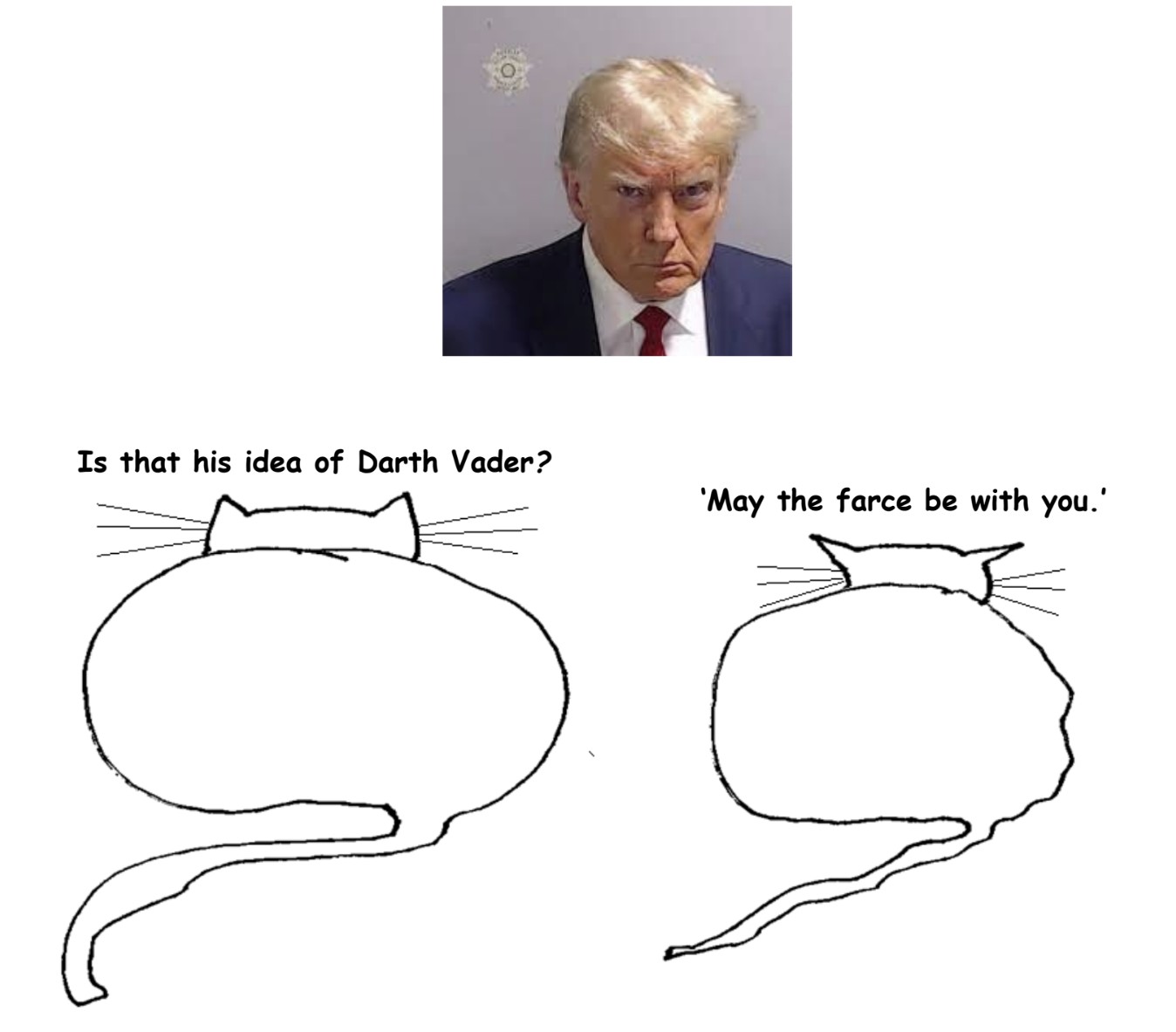
This month’s travel column includes suspiciously little travel – just two short walks, to a courthouse and a jailhouse. I live in Atlanta, where quite a bit of national politics has happened in those two buildings these last few weeks.
I walked downtown a couple of weeks ago when things were going on down there that you wouldn’t call festive, August is too hot for festive, but they were purposeful, and expectations ran high. Peoples’ opinions diverge, don’t they, but until the Trump indictments were actually handed up August 14, everybody at least agreed something important was coming and that it would shape events.
To walk from my part of town, Atlanta’s big busy Midtown, to the sprawling government complex downtown, is to walk “right down Peachtree,” as much loved Atlanta Braves baseball announcer Ernie Johnson used to say when describing a pitch right down the middle.
From Midtown you walk Atlanta’s main street a couple of miles south. There’s a dodgy block or two and then a positively anti-human overpass where noise, grit and gridlock coalesce over a squeezed together forced marriage between interstates 75 and 85. We call that the Downtown Connector.
Once that’s over you forge alongside Woodruff Park (for sixty years Robert W. Woodruff personified Coca-Cola); you are now in the heart of downtown, and continue beyond an iconic neon Coca-Cola sign and through the disused entrance to what has been, on and off again, Underground Atlanta.
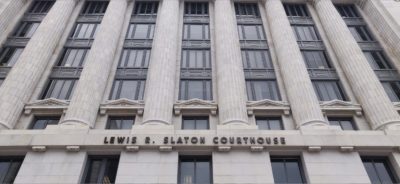
After that barriers were up, roads were shut and cadres of traffic cops moved about. TV trucks staked out the Lewis R. Slayton Courthouse for a couple of weeks down there and everybody with a supporting role in presenting the Donald Trump drama, TV techs, cops, drivers, caterers, couriers and a few protesters deserved hazardous duty pay for managing in the 100 degree-plus daily heat.
Out here in the provinces these felt like important events; it seemed like purposeful people were busy with weighty affairs, even if it was only all in the service of getting one man and his associates in trouble with the law. Read more »
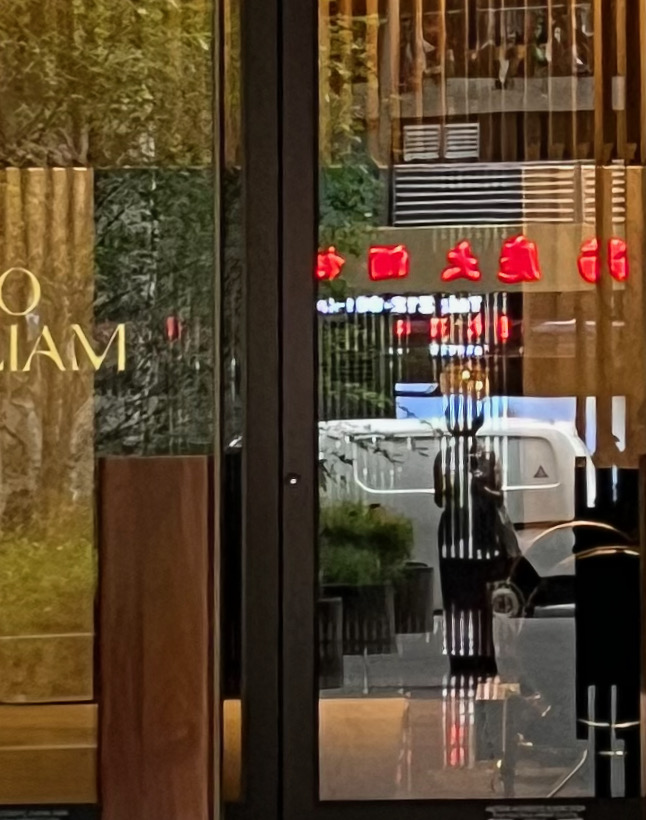 Sughra Raza. Shredder Self-portrait, NYC, August 2023.

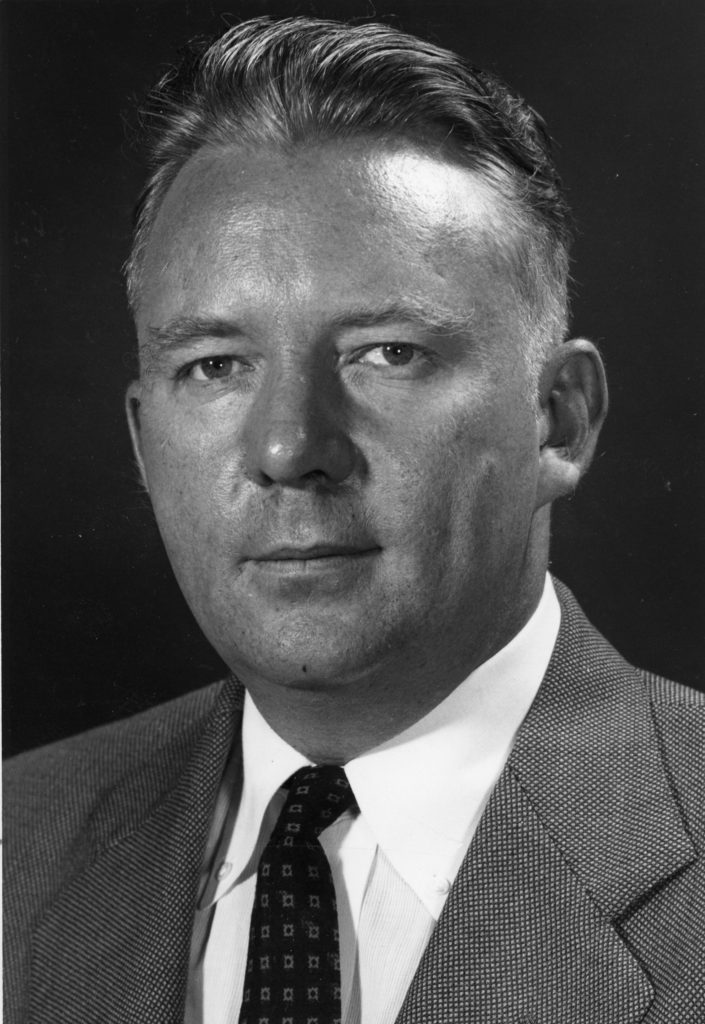
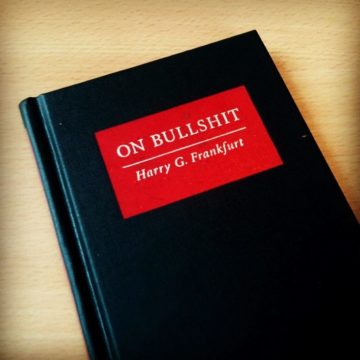 Harry Frankfurt, who died of congestive heart failure this July, was a rare academic philosopher whose work managed to shape popular discourse. During the Trump years, his explication of bullshit became a much used lens through which to view Trump’s post-truth political rhetoric, eventually becoming deeply associated with liberal politics.
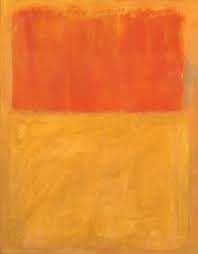 Aesthetic properties in art works are peculiar. They appear to be based on objective features of an object. Yet, we typically use the way a work of art makes us feel to identify the aesthetic properties that characterize it. However, dispassionate observer cases show that even when the feelings are absent, the aesthetic properties can still be recognized as such. Feelings seem both necessary yet unnecessary for appreciation of the work.
 ed to be protected from blasphemy, I must have overheard someone say
 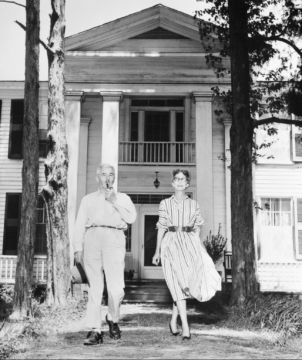 The other day, over cigarettes and beer, my friend M. told me the story of the Ghost Cop of Rowan Oak. She was speaking from authority, as she had just encountered it a few days before. Her boyfriend P. was there—both at Rowan Oak and on my front porch with the cigarettes and the beer—and it was nice to watch them swing on the swing and finish each other’s sentences.