by Fred Zackel
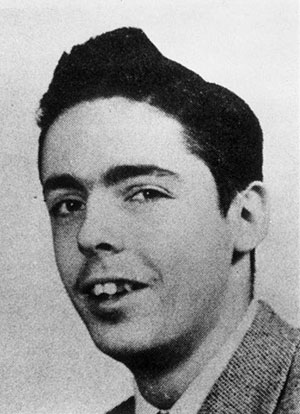
I got my fingers crossed.
First off, Pynchon is clever and that makes his playfulness most pleasurable. His favorite playground is America’s fondness for conspiracy theories. These theories, no matter how whacko they sound, summarize and reflect cherished American values and morals. Lots of us are alienated from official reality. We find it easy (and maybe self-defeating) to deny its validity. (As a student of mine once said, “I think a lot of the time we take for granted the history of the world.”) But what if our own conclusions are denied legitimacy? What Pynchon does that is so subversive is to deny them closure. And seeing how those well-intentioned wackos are left high and dry actually adds to my merriment.
I first discovered Pynchon as the best man for Richard Farina’s marriage to Mimi Baez. I was a big fan of Farina’s novel “Been Down So Long It Looks Up to Me,” and so I went looking for Pynchon’s first novel. “V” was a rabbit hole, or maybe an oubliette. I fell. Maybe I was pushed. One enigmatic woman may have been at the nexus of the great events of the 20th century? I also traveled decades and the world with a schlemihl named Benny Profane and with Herbert Stencil, questing after his father, who may have been a legendary British spy. Hunting alligators in the New York sewers? A living figurehead lashed to the bow-sprit of a boat? Jewish princesses getting nose jobs? Coeds with 72 pairs of Bermuda shorts? All culminating in the trash heaps of Malta a half-century before? A long, strange trip indeed. And I was hooked by a sideways look at how we perceive reality. And conspiracy. “They – whoever ‘they’ were – seemed to be calling the tune,” was one ominous thought. Later, “Any situation takes shape from events much lower than the merely human.” Most importantly I learned that progress was best imagined as only a new coat of paint on our xebec adrift.