by Mathangi Krishnamurthy
Let's make one thing very clear. We do not do Valentine's. That would be horribly uncool. But we are not entirely cynical either. So in the interest of a critical, yet marginally hopeful view that can go beyond the intensely heteronormative annoyance of Hallmark madness, here is a post-Valentine post on the nature of the only grand narrative we have left in the world. Love.
And this is the one time of the year when I feel like rejecting it in its every form. Just because the stores, the streets, the movies, and the chocolates all plot in unison to cajole me otherwise. (Yes, the plot is neoliberal capitalism. Yes I know). Also, scratch the last part. I like chocolate.
But if I end up calling this grand narrative corrupt, and false, and superficial, and all those other bad words, then surely I must know what the real deal is? And this is the problem. I really don't. So when I claim that some forms of blatantly marketed coercive love make no sense, what I am really saying is that I prefer some forms of love-marketing over others.
So before you lose all patience, all I'm saying is this: Love is mediated.
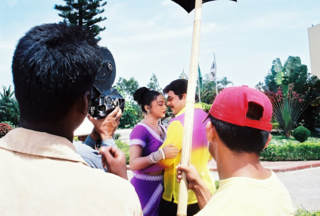
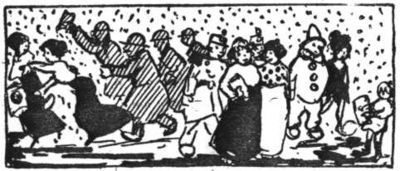
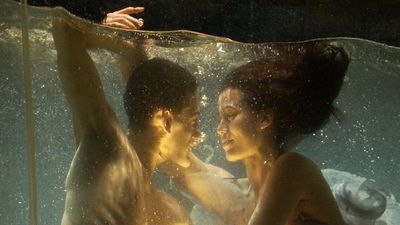
Image © Paul James Gomes
(The above is an excerpt from Paul's fascinating work on the contemporary Bangladeshi film industry)
And yes, perhaps there are forms of love in the world that are less mediated than others. Babies and puppies. But I do not have the capacity or the patience to go biological right now. So bear with me. Love is mediated. And no, this is not a bad thing. Humans are mediated beings. We learn how to eat, sit, talk, listen, fear, shout, lean, lose, attach, let go, and hang on. We would be nothing without mediation. We adhere to form. In the loosest sense of the word, even as we produce form. And this gives us the capacity to a narrative, and a stance, and a sense of being in the world. We are the stories we tell ourselves about ourselves (Apologies to Geertz, but well, this could be the new definition for native ethnography). And stories need plots. And we cannot lose the plot.
So in random order, here are three important bits of mediation that structure my narrative. Things, and songs, and movies, and books that I am attached to because they tried telling me how and what to love. Some of these I have thankfully escaped, others lurk in the background.
Read more »