
by Eric Schenck
The last few years I have been deep in the world of artificial intelligence. Using it. Reading about it. Learning from people who are experts.
What follows are 15 random thoughts about AI. What it means for us, what the future might look like, and different things I’ve reflected on recently. Some are negative. Some are positive. Use them as thoughts for reflection, or if nothing else – a little entertainment.
(Disclaimer: I am not a professional. These are the opinions of an amateur that’s interested (and skeptical) of AI. Please keep that in mind.)
1) Right now, every incentive is to make AI look like it is absolutely necessary.
This is the first idea I want to start with. These days, the only economic news that seems to matter is how companies are adding AI to their products.
Just follow the incentives. There is more money to be made (and invested) when companies overstate the value of AI. Just something to consider the next time news of the latest AI accomplishment makes you feel anxious.
That said-
2) More people should be using AI.
Think about people that hated on the internet. Or a couple thousand years ago, that were skeptical of books. We reflect on that now and laugh.
How horribly outdated, we say.
But that’s exactly what’s happening with AI right now. Most people aren’t using it for anything substantial. The obvious risk here? That those people refuse to learn a technology that will eventually become necessary, and get left behind as a result.
(Imagine not knowing how to access the internet now.)
If you aren’t using AI for anything, start. Even just once a week going back and forth with ChatGPT can start to build the skillset.
3) The school system will be forever changed.
I think of schools and how inefficient they are. (The “modern” school system was designed to fit into an industrial society.)
But what if each student had their own AI-powered teacher? What if we got rid of our “go as fast as the slowest student” system – and replaced it with “go as fast as your custom-made AI teacher lets you?”
Each student would learn in the way that was perfectly suited to them. Not just the average intelligence of their class.
The implications of this could be huge. School less as a place of learning, and more as a place for kids to socialize. Read more »



 Like many other video gamers (nearly eight million, in fact), I have spent no small portion of recent weeks in the robot-infested, post-diluvian wastes of late-22nd-Century Italy, looting remnants of a collapsed civilization while hoping that a fellow gamer won’t sneak up and murder me for the scraps in my pockets. This has been much more fun than the preceding description might lead you to believe, if you are not a fan of such grim fantasy playgrounds. It has also, interestingly, afforded rather heart-warming displays of the better side of human nature, despite the occasional predatory ambush or perfidious betrayal. It helps somewhat that nobody really dies in this game; they just get “downed” and then “knocked out” if not revived in time, leaving behind whatever gear they were carrying (except for what they were able to hide in their “safe pocket”, the technical and anatomical details of which are left to the player’s imagination).
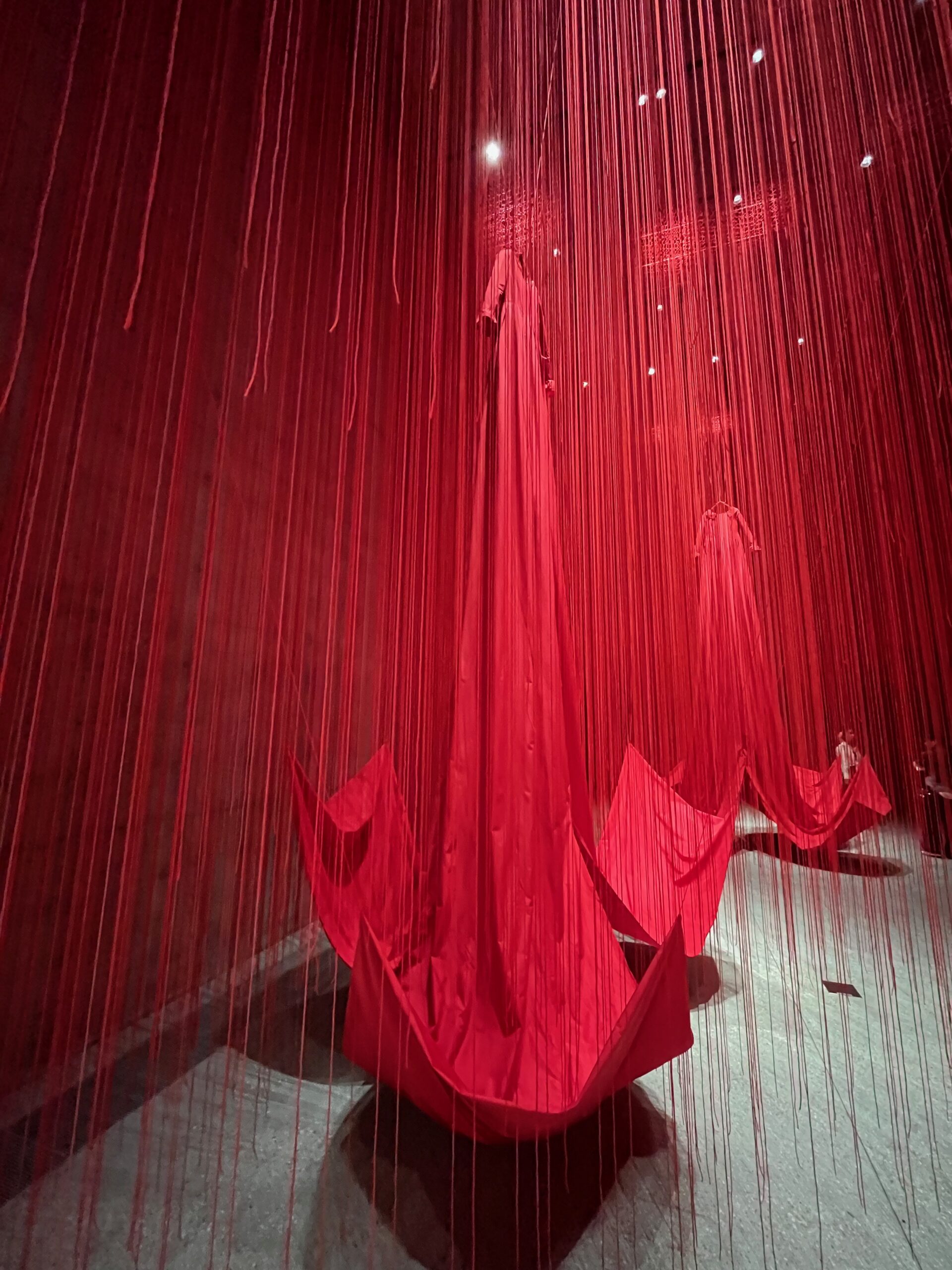 Chiharu Shiota. Infinite Memory, 2025.
 S. Abbas Raza: You may have heard of

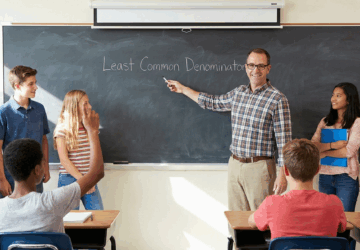 Preparing a worksheet with negative-number calculations where all the digits are sixes and sevens. Telling myself it’s meant to take the fun out of it for them – like a sex ed teacher having their students say ‘penis’ one hundred times before starting the unit. Definitely not the whole story, but plausible: as a middle school math teacher I am more than justified in trying to tame the phenomenon. In fact, I have drawn a firm line; just seeing a 6 anywhere in an exercise is decidedly not an appropriate reason for doing the meme. Really, we need to get on with the lesson now; I will count to five.
 Antonio Gramsci’s theory of hegemony helps explain how the power structure of modern liberal-democratic societies maintains authority without relying on overt force. Many definitions of hegemony point out that it creates “common sense,” the assumptions a society accepts as natural and right.

 Art is dangerous. It’s time people remembered that and recognized the fullness of it. For if art is to remain important or even relevant in the current moment, then it’s long past time artists stopped flashing dull claws and pretending they had what it takes to slice through ignorance. We need them swallow their feel-good clichés and to begin sharpening their blades. We need dangerous art, and we cannot afford much more art that its creators believe is dangerous when it is not.