
by Dwight Furrow
 It is a curious legacy of philosophy that the tongue, the organ of speech, has been treated as the dumbest of the senses. Taste, in the classical Western canon, has for centuries carried the stigma of being base, ephemeral, and merely pleasurable. In other words, unserious. Beauty, it was argued, resides in the eternal, the intelligible, the contemplative. Food, which disappears as it delights, seemed to offer nothing of enduring aesthetic value. Yet today, as gastronomy increasingly is being treated as an aesthetic experience, we must re-evaluate those assumptions.
The aesthetics of food, far from being a gourmand’s indulgence, confronts some of the oldest and most durable hierarchies of Western thought, especially the tendency to privilege vision over the other senses. At its core are five questions, each a provocation: Can food be art? What constitutes an aesthetic experience of eating? Are there criteria for aesthetic judgment in cuisine? How are our tastes shaped by culture and identity? And what happens when we step outside the West and reframe the premises of aesthetic theory?
Is Food Art?
If food pleases the senses, moves us emotionally, and its composition requires skill and creativity, why not call it art? Well, the ghosts of Plato, Kant, and Hegel hover over our plates even today. For Plato, food was mired in the appetitive soul, a distraction from the real essences of things which could only be recognized by the intellect. Kant dismissed gustatory pleasure as a mere “judgment of the agreeable,” lacking the disinterestedness and universality that marked true aesthetic judgment. And Hegel, in his consummate disdain, excluded food from art on the grounds that it perishes in consumption.
But these historical arguments can’t accommodate recent developments in cuisine. Contemporary, creative cuisine, after all, exemplifies many hallmarks of artistic practice: aesthetic intention, technical virtuosity, formal innovation, and even thematic expression. When Ferran Adrià designs a deconstructed tortilla or a moss-covered dessert, he is not merely feeding; he is composing. Read more »
 In my Philosophy 102 section this semester, midterms were particularly easy to grade because twenty seven of the thirty students handed in slight variants of the same exact answers which were, as I easily verified, descendants of ur-essays generated by ChatGPT. I had gone to great pains in class to distinguish an explication (determining category membership based on a thing’s properties, that is, what it is) from a functional analysis (determining category membership based on a thing’s use, that is, what it does). It was not a distinction their preferred large language model considered and as such when asked to develop an explication of “shoe,” I received the same flawed answer from ninety percent of them. Pointing out this error, half of the faces showed shame and the other half annoyance that I would deprive them of their usual means of “writing” essays.
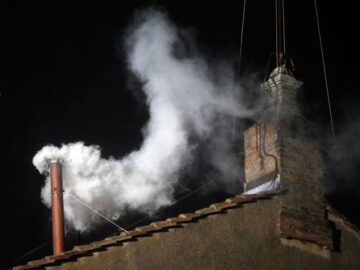 s on a common topic. Yet at noon on May 8th, all 16 high school seniors in my AP Lit class were transfixed by one event: on the other side of the Atlantic, white smoke had come out of a chimney in the Sistine Chapel. “There’s a new pope” was the talk of the day, and phone screens that usually displayed Instagram feeds now showed live video of the Piazza San Pietro in Rome.
 Danish author Solvej Balle’s novel On the Calculation of Volume, the first book translated from a series of five, could be thought of as time loop realism, if such a thing is imaginable. Tara Selter is trapped, alone, in a looping 18th of November. Each morning simply brings yesterday again. Tara turns to her pen, tracking the loops in a journal. Hinting at how the messiness of life can take form in texts, the passages Tara scribbles in her notebooks remain despite the restarts. She can’t explain why this is, but it allows her to build a diary despite time standing still. The capability of writing to curb the boredom and capture lost moments brings some comfort.
 Many have talked about Trump’s war on the rule of law. No president in American history, not even Nixon, has engaged in such overt warfare on the rule of law. He attacks judges, issues executive orders that are facially unlawful, coyly defies court orders, humiliates and subjugates big law firms to his will, and weaponizes law enforcement to target those who seek to uphold the law.
 When this article is published, it will be close to – perhaps on – the 39th anniversary of one of the most audacious moments in television history: Bobby Ewing’s return to Dallas. The character, played by Patrick Duffy, had been a popular foil for his evil brother JR, played by Larry Hagman on the primetime soap, but Duffy’s seven-year contract with the show had expired, and he wanted out. His character had been given a heroic death at the end of the eighth season, and that seemed to be that. But ratings for the ninth season slipped, Duffy wanted back in, and death in television, being merely a displaced name for an episodic predicament, is subject to narrative salves. So, on May 16, 1986, Bobby would return, not as a hidden twin or a stranger of certain odd resemblance, but as Bobby himself; his wife, Pam, awakes in bed, hears a noise in the bathroom and investigates, and upon opening the shower door, reveals Bobby alive and well. She had in fact dreamed the death, and, indeed, the entirety of the ninth season.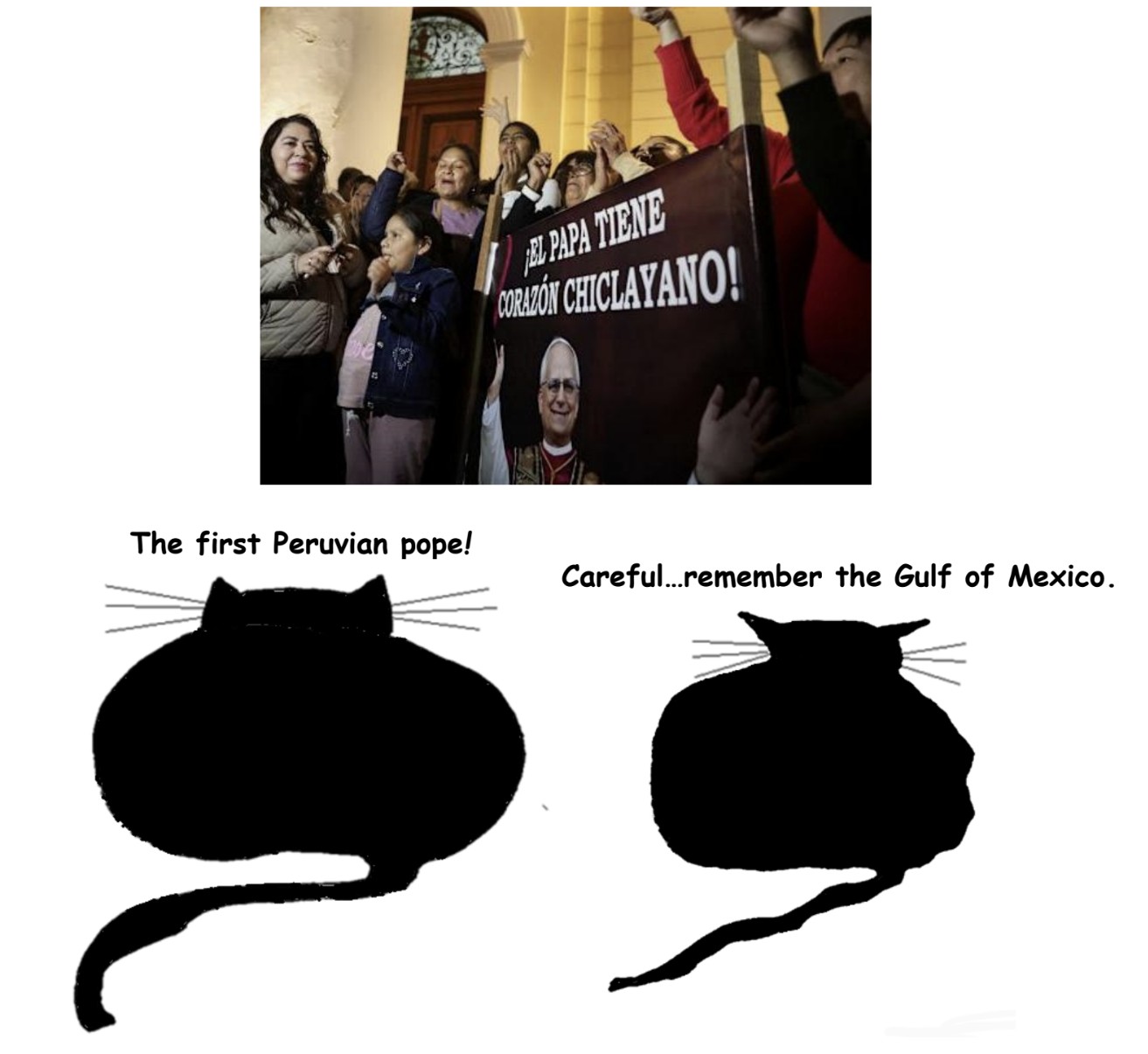
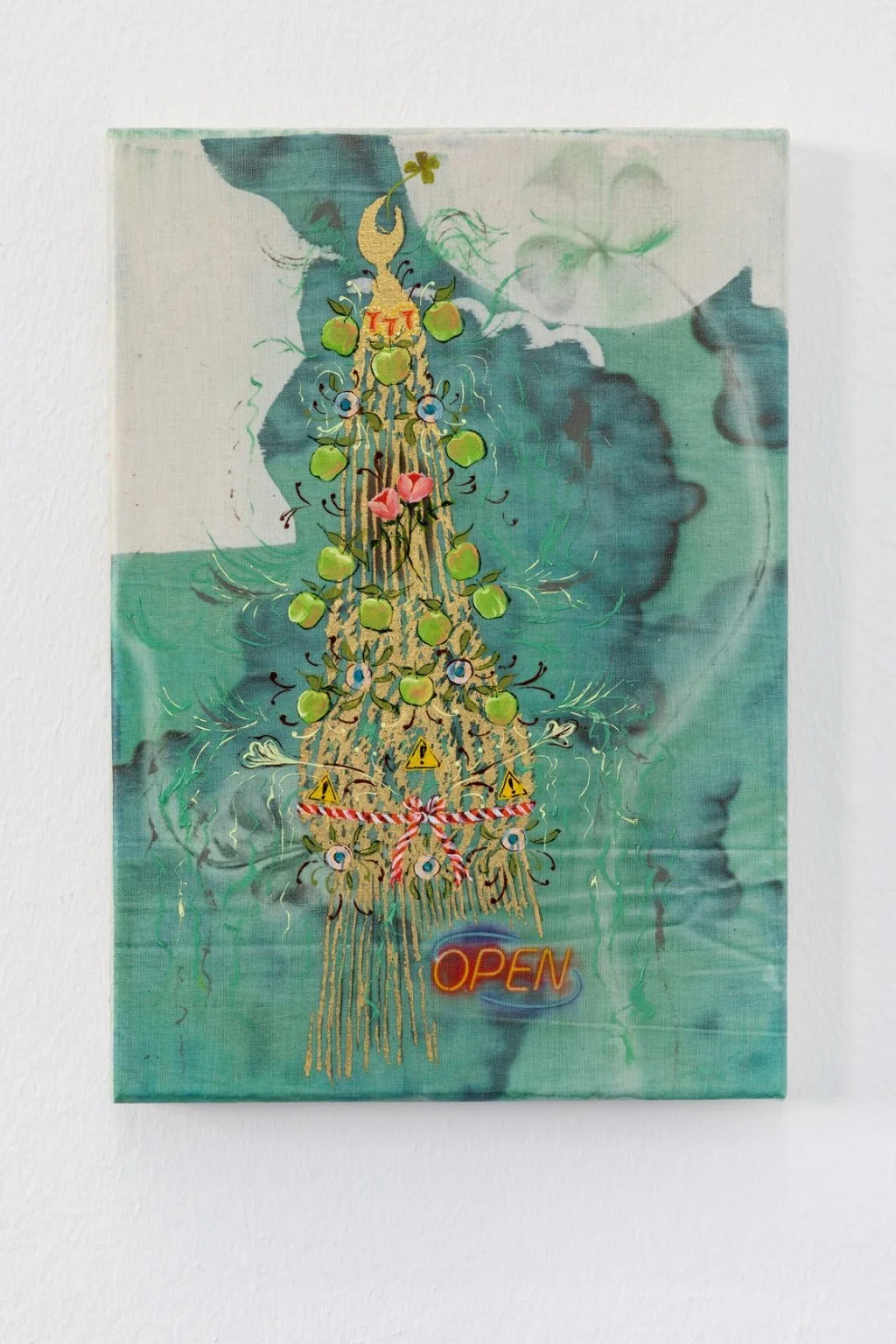 Elif Saydam. Free Market. 2020.


 In a recent article, ‘