by Thomas O’Dwyer
When a plane lands at Larnaca in Cyprus, as it rolls past the control tower one can glimpse on a misty horizon the lone pyramid of Stavrovouni mountain. The ugly airport tower then obscures the steep mountain and the ancient monastery on its summit. It could be a metaphor for modernity obliterating the spirit of places that once seemed mysterious and eternal.
It’s an hour’s drive from the airport to the sprawling concrete capital Nicosia and up and over the green passes of the Kyrenia mountain range. Then it’s a right turn east along the northern Mediterranean coast to the hillside village of Bellapais. A remarkable 12th-century Gothic abbey dominates the village and a couple of Crusader castles brood on the mountain ridge high above it. Even the names carry a whiff of ancient Gothic Europe – Buffavento, Hilarion, Bellapais. Carob, mulberry and cypress trees crowd around the ruins as they did when knights roamed the hills.
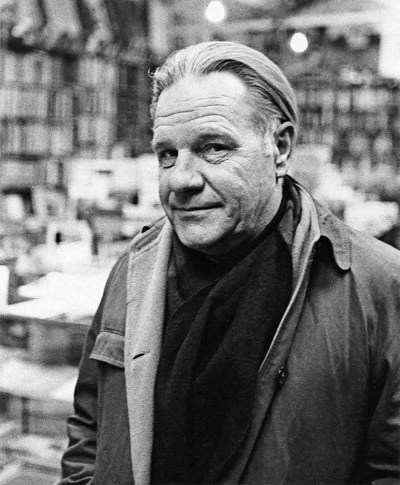
A few hundred metres up a steep path from the abbey is a small house, once traditional, now modernised. The abbey and the cottage are responsible for the tawdry trinket shops and banal tourist cafes that have all but wiped out the old village tavernas. The splendid abbey is an obvious attraction, but the unremarkable cottage? For the literary-minded, it has an equal fascination. In it was written one of the great portraits of a city in 20th-century English literature. Here in the early 1950s Lawrence Durrell reimagined and immortalised Alexandria of Egypt. It joined the Dublin of James Joyce and the Paris of Marcel Proust in literary legend. Read more »

 It could almost be a question on a very meta personality quiz: Do you prefer the Myers-Briggs typology or the Big Five personality traits? The Myers-Brigg Type Inventory is a popular tool that was developed outside of the scientific establishment by two women who did not have credentials in psychology. It’s qualitative rather than quantitative, and in the past decade or so, it’s been criticized as meaningless or unscientific. The Big Five taxonomy is widely accepted in academia and is the basis of much current personality research. It’s quantitative; in fact, it’s based on statistical analysis. Am I rejecting science if I continue to prefer the Myers-Briggs system as a key to understanding my own personality and those of others?
 It is difficult to remember a time over recent decades when a president of the United States (US) has created so much controversy and division within the US and challenged its credibility and standing in international relations as has the incumbent president, Donald Trump. Indeed, so bewildering to many is the election of a former reality TV star and dubious businessman without experience in government, to the high office of president of the US and ‘leader’ of the ‘free’ world, a plethora of literature to account for such a phenomenon has emerged. Similarly, commentaries on evaluations of Trump’s calibre and character, and just how far he is fit for such high office and powerful position in global politics, are plentiful. Jon Meacham’s The Soul of America: The Battle for Our Better Angels can be viewed as a contribution to the literature on those issues.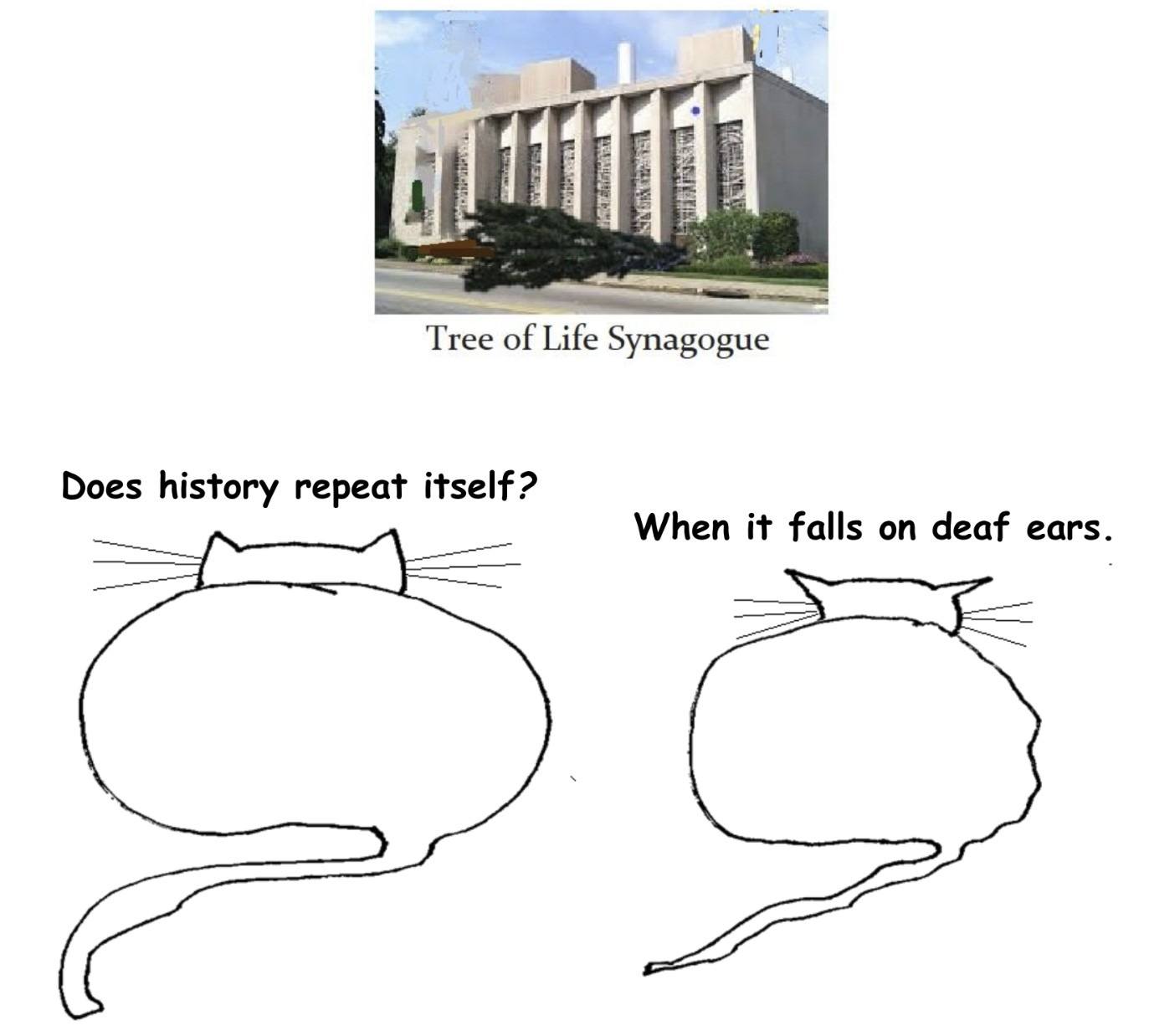

 Last fall, after a day spent hiking around the neighborhood, I ended up back on my porch with my buddy, Chef Mike. We were drinking beers and chatting about life.
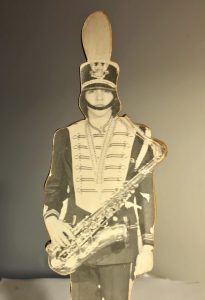 The William Penn High School Marching band was a juggernaut, the coolest team in school. Its director, Holman F James, strode the football field, unzipped windbreaker, cigarette dangling, the Greatest Generation’s bandmaster. A sterling musician, he played trumpet and piano, wrote or arranged all the music and choreographed our field shows. He was also a solider, avid outdoorsman and master craftsman, everything Hugh Hefner should have been.
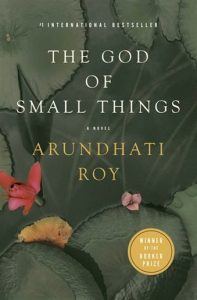 A bit of self indulgence – also a kind of preface to all the 3 Quarks Daily
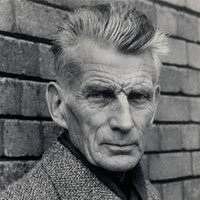
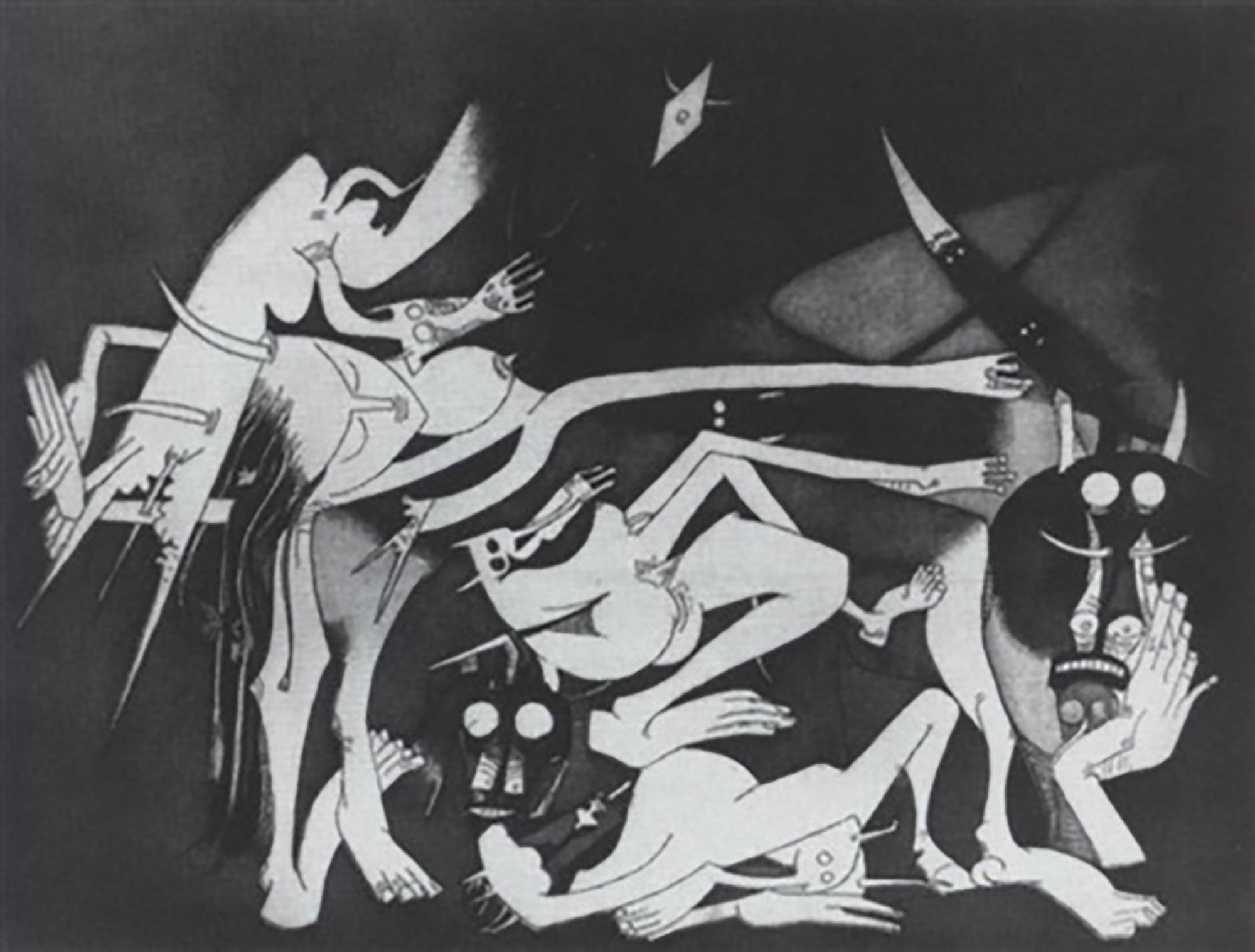
 1. Bored, and with little to occupy their time, two cousins, Elsie, who was 16, and Frances, who was 10, decided to play around with photography. At a river near where they lived, they manipulated an image so that it looked as if they were interacting with little, magical winged creatures — fairies.
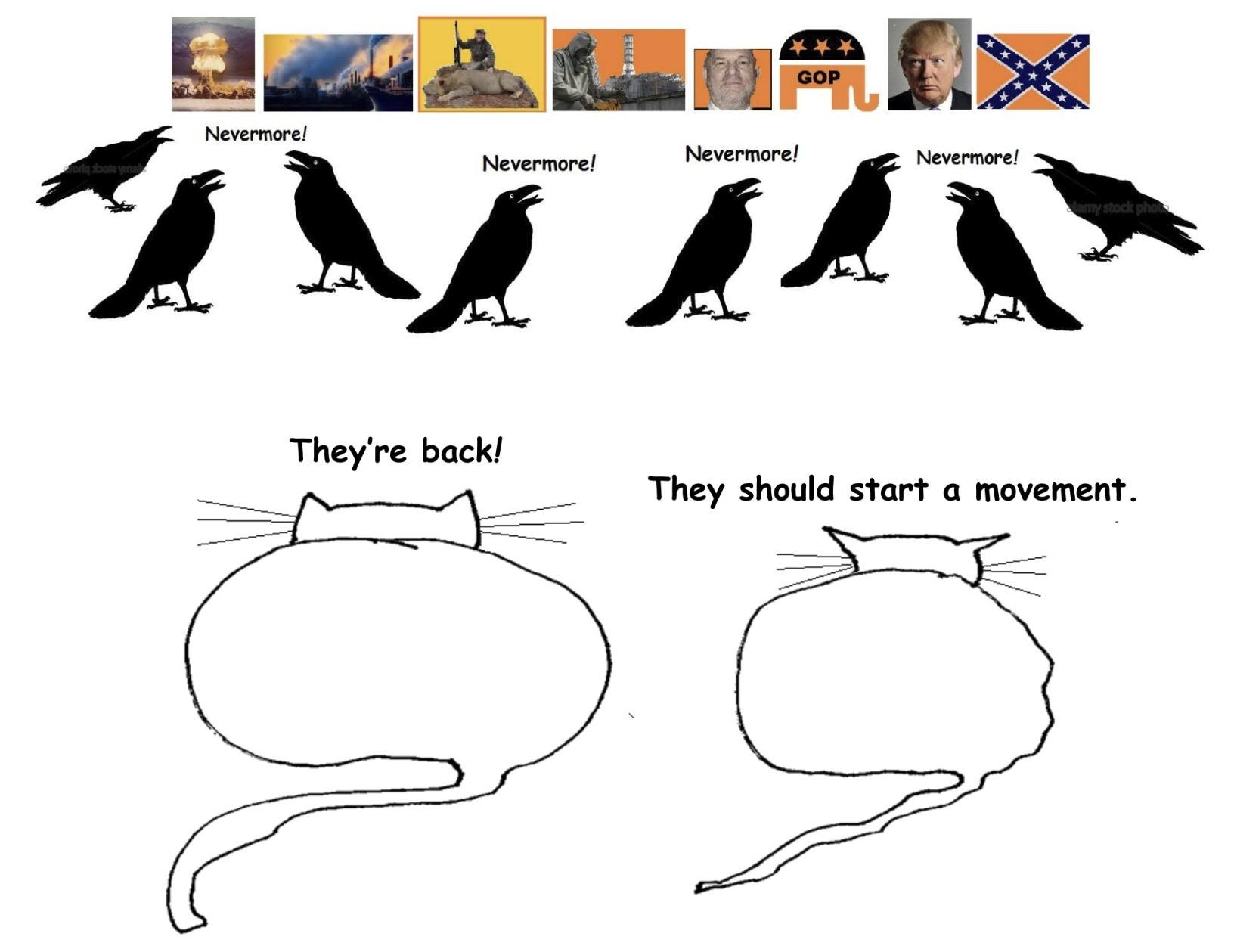
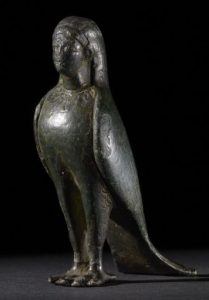 Two weeks ago, Maniza Naqvi evocatively wrote here on the resonance of a mythological rape in the eventual confirmation of Brett Kavanaugh to the US Supreme Court (
 Middle age brings sometimes uncomfortable self-reflection. One thing I have realized is that I am not a particularly good person. Not evil, just mediocre. Lots of people are much better at morality than me, including many of my students. On the other hand, I am quite good at the academic subject of ethics. Good enough to teach it at a university and write papers that occasionally appear in nice journals.