
Your laughter was a car engine sputtering. Your peers were whiz kids in the dot com world. You showed me notes you’d made in the margins of all seven volumes by Proust. You said Sentimental Education wasn’t sentimental enough. You rolled your own leaves reading Ulysses, finishing it in three nights flat, but you wished to read it in one day to parallel the book’s action. “Impossible,” I said. “Impossible doesn’t exist in my vocabulary,” you said. “This can’t be a poetic line,” you said, shaking your head at my poem. “It’s running all the way to Pakistan.” I was nearly your dad’s age, yet I looked up to you literally and physically. My last memory of you standing against a pine, at my brother’s home with views of Long Island Sound, aiming your pee at the tree. You were the pine you peed on. You were the sputtering car engine hugging the tree you peed on moments ago. I pointed to the crescent moon. “Wow,” you said, rolling your leaves, “let’s read Das Kapital.” Nearly 10 years after your childhood chum, my nephew, was killed in Afghanistan, you went from your basement to au petit coin retrouvé or, depending on mood, au petit coin perdu — your Acura parked in a shuttered garage of your home in Scarsdale. You reclined on the driver’s seat, popped a pill of Topamax to dumbfound the snakes in your mind, chased the pill with a gulp of Perrier and to warm up the car, you gunned the engine.
For R. Q. 25 December 1972 —17 March 2001
By Rafiq Kathwari / @brownpundit


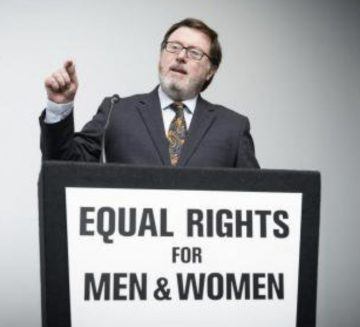 The case for men’s rights follows straightforwardly from the feminist critique of the structural injustice of gender rules and roles. Yes, these rules are wrong because they oppress women. But they are also wrong because they oppress men, whether by causing physical, emotional and moral suffering or callously neglecting them. Unfortunately the feminist movement has tended to neglect this, assuming that if women are the losers from a patriarchal social order, then men must be the winners.
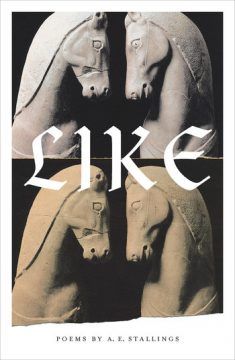
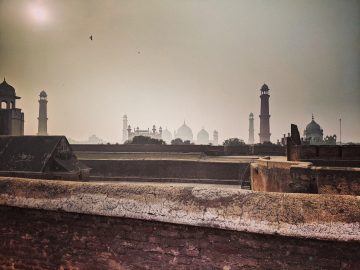 Some months ago, on a sunny Sunday afternoon, I went to my bank’s ATM in the main market close to where I live in the Defence Housing Authority, Lahore’s latest fancy suburb, which is organized and managed by the military.
 The wine community is often accused of being snobby and elitist. The language used to describe wine is one source of this innuendo. Although most people have become accustomed to the fruit descriptors used in wine reviews, when wine writers wax poetic by describing wines as “graphite mixed with pâte de fruit”, even
 I first heard Motörhead in 1988. I was a DJ at
 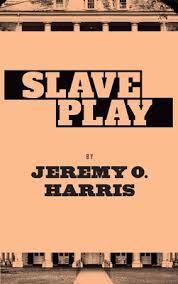 Jeremy Harris is a dark and stormy cocktail of Dave Chappelle, Augusto Boal, Boots Riley, and James Baldwin. The dark comedic energy that drives Slave Play, Harris’s provocative Broadway show about racism, sex, kinky fetishism, white supremacy, interracial relationships, slavery, the Antebellum South, post-colonialism, and psycho-sexual drama therapy, is the sort that makes you cry while laughing, tremble with anxiety, giggle from embarrassment, and question the sources of your own laughter. Slave Play riffs darkly on how black and white people in America live intimately together yet are essentially apart. Carrying the historical burdens of slavery and white supremacy into the 21st century, Harris shines a dark therapeutic light onto areas of our racial relations that are vibrating with pain and festering with pleasure.
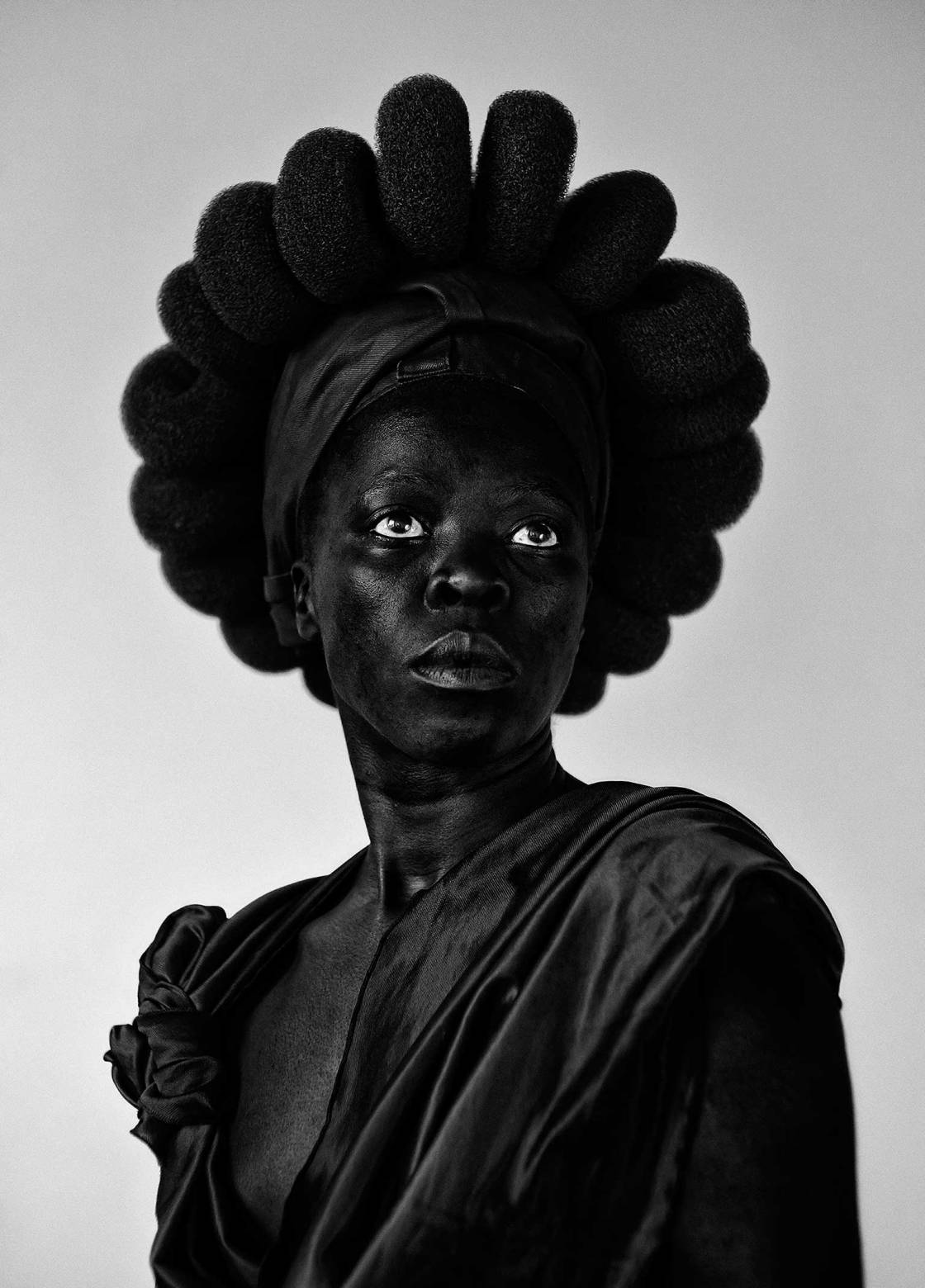 Zanele Muholi. Ntozakhe II, Parktown, Johannesburg. 2016.