
by Abigail Akavia
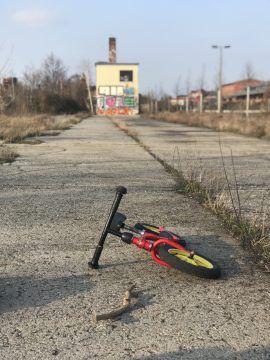
A few thoughts about working from home, about “home”, about writing and about not-writing. About myself, with full realization of the incredible privilege that allows me to write—in normal days and, a fortiori, in days of pandemic.
When the reality of the COVID19 tsunami began to hit us here in northeast Germany, my husband suggested we should pack a suitcase or two and go to Israel, or “go back” to Israel, where we both grew up, where most of our immediate relatives and many of our closest friends live. But where—I repeatedly countered in the anxiety-ridden conversations we had in those faraway times of three weeks ago—we don’t live anymore. We haven’t lived there for over a decade. We don’t have a house or an apartment there, we don’t have a home there. The thought of living in a rented space for the foreseeable future without most of my stuff, without my routines, however blanched-out they are these days, forbidden by law to see my kids’ grandparents and my friends, was panic-inducing to me. I’d rather stay here, where I don’t have to relearn where the coffee mugs are shelved.
It was around the time that videos of quarantined neighbors singing from their windows and balconies starting pouring out of Italy. This was never explicitly said between us, but if I had to explain the terror my husband (and even if to a lesser extent, definitely I, too) felt at staying confined and socially isolated in Germany, I would put it like this: the thought that our neighborhood would start singing—a song we don’t know, in German—and that we would feel a sense of alienation and exclusion, rather than solidarity and belonging. So far, this hasn’t happened (partially, but certainly not only, because the restrictions here are less severe than elsewhere, and people are still allowed to leave their houses to take walks, for example). And who knows, maybe if it does happen, the hipsters of our block will opt for some internationally beloved civil rights movement anthem in which we can join. Either way, like all anxieties, this one too—being cooped up in our apartment, fearing that food will soon run out, surrounded by East-Germans—tells us more about our psyche than about the likelihood of an actual scenario in the world. Read more »
 Among other things Covid-19 is a moral crisis. It requires suspending the usual rules about who deserves what, firstly because it is impossible for many of us to pay what we owe in these conditions, and secondly because of the priority of the humanitarian duty to save as many lives as possible. Nevertheless we must not forget about justice. In particular we must make sure that the costs of this crisis are not born disproportionately by the poor, those least able to afford the burden but also least able to escape it.
 The current Covid 19 pandemic is undoubtedly a disaster for millions of people: for those who die, who grieve for the dead, who suffer through a traumatic illness, or who, suddenly lacking work and income, face the prospect of dire poverty as the inevitable recession kicks in. And there are other bad consequences that one might not describe as ‘disastrous” but which are certainly significant: the stress experienced by all those providing care for the sick; the interruption in the education of students; the strain put on families holed up together perhaps for months on end; the loneliness suffered by those who are truly isolated; and the blighted career prospects of new graduates in both the public and the private sectors.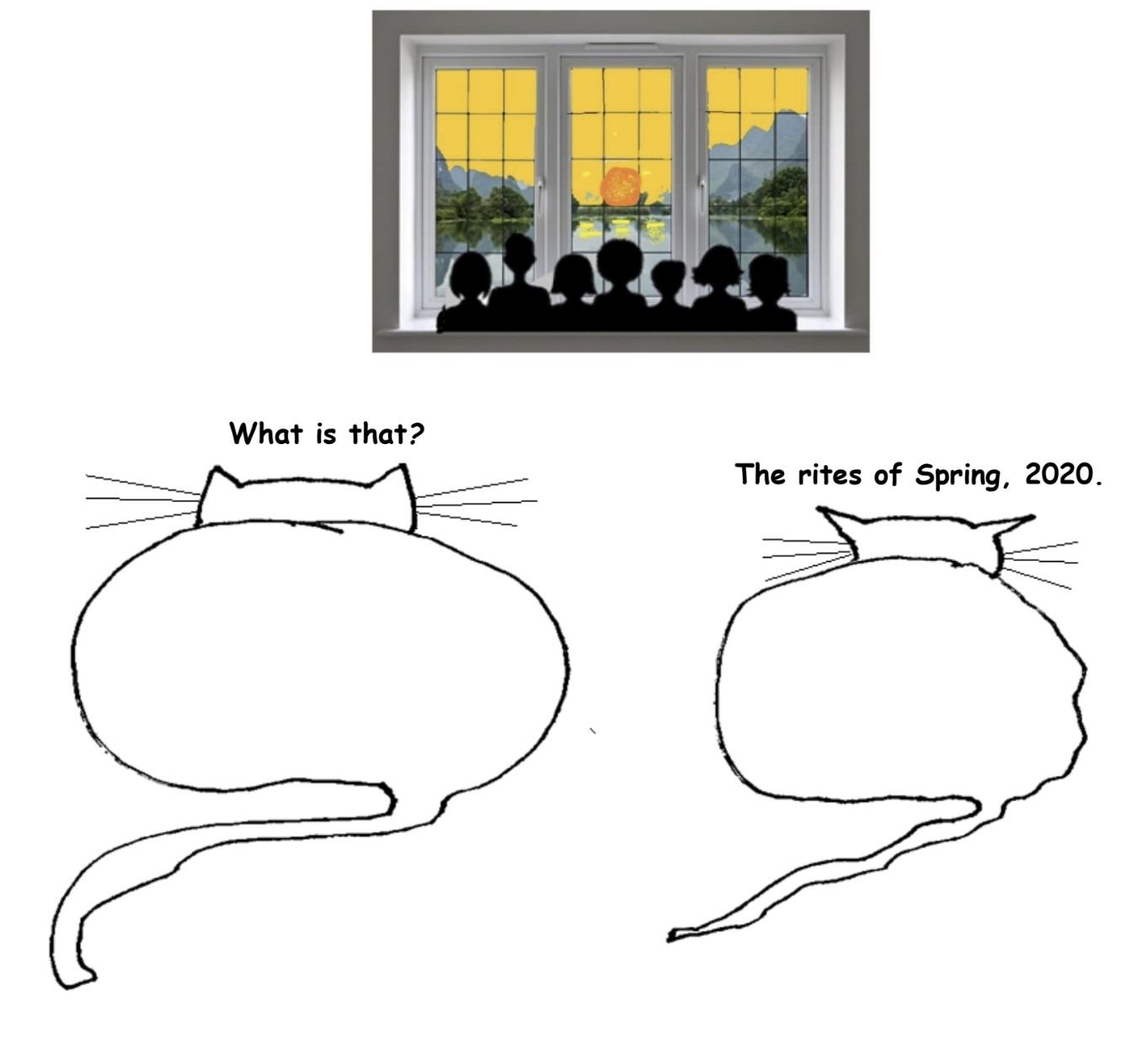
 The coronavirus amounts to an ongoing, real-world experiment in societal response to an international calamity. The pandemic will be studied for decades, but COVID has already taught us much about the relationship between science and decision-making.
 “Will we survive this?” my husband asks me as we lounge around the living room, glued to our laptops. “We are in the vulnerable group.” I look up at a bald man with thinning gray tufts over his ears, peering anxiously at me over black-rimmed glasses. Yes, we are certainly in the vulnerable group. What happened to that bright-eyed young man with fifteen pounds of black hair on his head, the one sporting sideburns that put Elvis to shame? Over his shoulder I see our son also looking expectantly at me, Camus’s The Plague in hand, open halfway.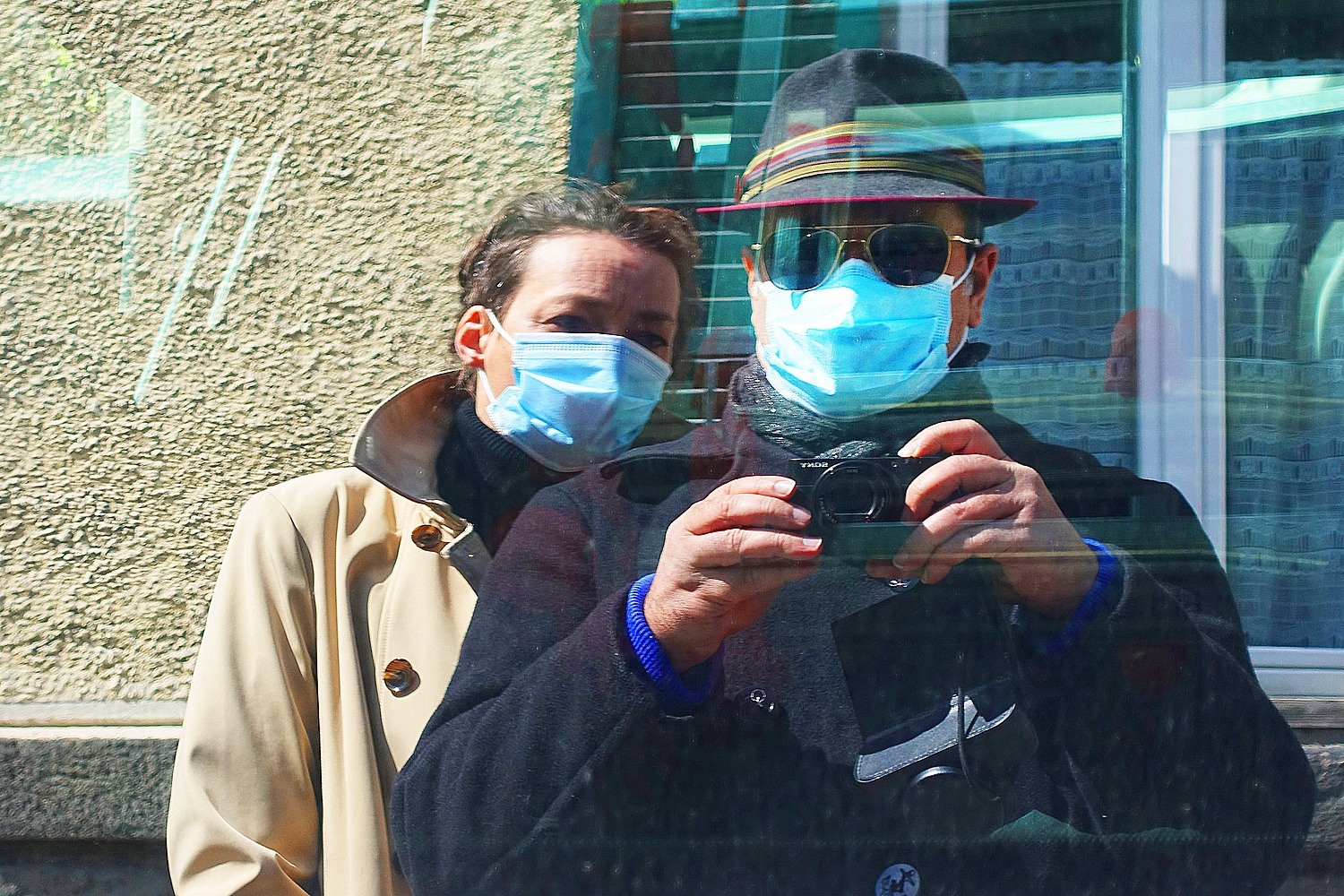

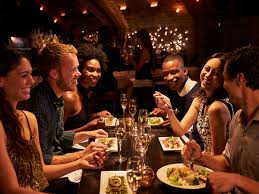 I’m sitting in front of my window on the world sipping a disappointing Cabernet Sauvignon from Napa Valley and thinking about travel plans for next summer and fall. I’m proceeding as if everything were normal knowing full well they won’t be, especially not with our “leadership”. Every time I try to write something insightful about wine, these lyrics from the bard of Duluth run through my mind:
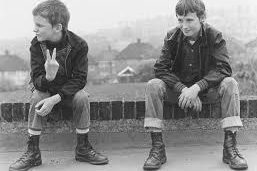 Quarantined, sheltered, holed-up, bunkered, hiding, homebound, trapped–whatever you want to call it–I am, probably (hopefully) like you, socially isolated from everyone but my family, trying to do my part in “flattening the curve” on a virus that seems intent on overwhelming a system ill-equipped to deal with such a thing. Like the prisoner who resorts to counting the pockmarks on the cement wall of his cell to pass the time, I have used some of my new, spare time to take an account of my collection of shoes and boots. But unlike Derrida or Heidegger in regards to Vincent Van Gogh’s famous painting of boots, I have absolutely no desire to be profound or provocative. I simply and admittedly have a bit of a shoe and boot “problem” that I would like to discuss; not sneakers or trainers—never caught the bug—but handcrafted leather footwear that typically go from very expensive to “holy crap that’s a lot of money for boots!” My wife doesn’t understand it. “Another pair of boots?” she sneers as I unapologetically remove my latest purchase from its sturdy cardboard case; a stunning pair of Horween shell cordovan lace wing-tip boots, color number 8, with Goodyear welts, lug soles and copper rivets, handmade in the USA by one of the oldest family-owned shoe/boot-makers in the country. They ain’t cheap but they’re not “holy crap” expensive either. They are beautiful and rough, sophisticated and classic, yet in no way arrogant or pretentious and will be around, if properly cared for, long after I am dead. Seems like a deal to me.
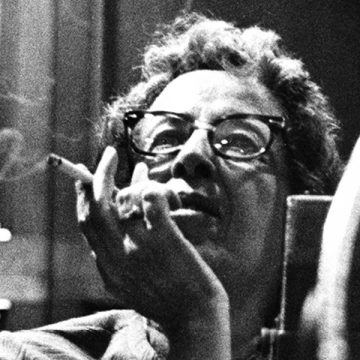 Some years ago, a friend told me about his dilettantish taste for nicotine, indulgence in which, however, he noted ruefully, was often thwarted by his young daughter. He supposed the vehemence of her protests derived, simply, from a concern for his health – to which I responded, perhaps: but that there might also be a further factor. His daughter, I reminded him, was just barely prepubescent, and thus newly arrived in what classical psychoanalysts call the “latency phase”, in which the para-erotic pulsions characterizing the various stages of her psychosexual development to date, and directed at her opposite-sex parent, the putative object of her nascent desire, are in retreat under the dawning realization that she is unlikely to be successful in her Oedipal struggle; and so she begins instead to bend to the will of a superego offering a compensatory identification with her triumphant rival, her mother. (This was before I had read Didier Eribon.) As a consequence, I concluded, his daughter was in the midst of developing prohibitive feelings of disgust at the merest suggestion of the desire she was busy repressing, and was thus likely to react with exaggerated horror at any sign of eroticism on the part of her erstwhile object.
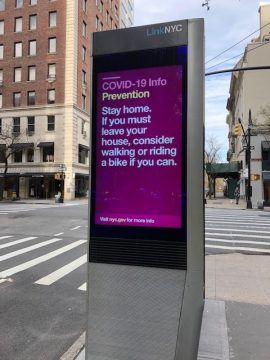 I am one of those people who cannot sit still. I wasn’t good at it as a child, and as the decades pass, every indication is that I will never be good at it. I suspect I inherited this from my father, who lacked a single iota of Sitzfleisch, and have passed on the gene to one of my children (no need to name names here, she knows who she is and who to blame.)
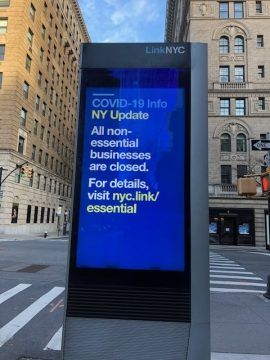 Of course, this was all before Coronavirus, all before I was deemed “non-essential” and even officially old. I’m not sure where this “old” nonsense came from, but the solicitude for my health and wellbeing merely as a function of an arbitrary number is a little hard to take. All of a sudden there seem to be an awful lot of things I’m not supposed to be doing. I never thought “aging in place” was meant to be taken literally.
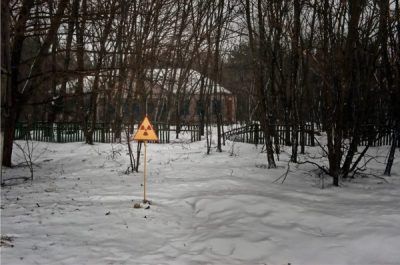 Two minutes after the explosion the fire station alarm rang. The firefighters who scrambled from sleep to the scene, along with the regular overnight shift at reactor four, were among the first fatally irradiated. Unquestioned heroes, they battled the blazes until dawn with no special training for a nuclear accident, in shirtsleeves, using only conventional firefighting methods. They walked amid flaming, radioactive graphite.
  by Holly A. Case (Interviewer) and Tom J. W. Case (Hermit)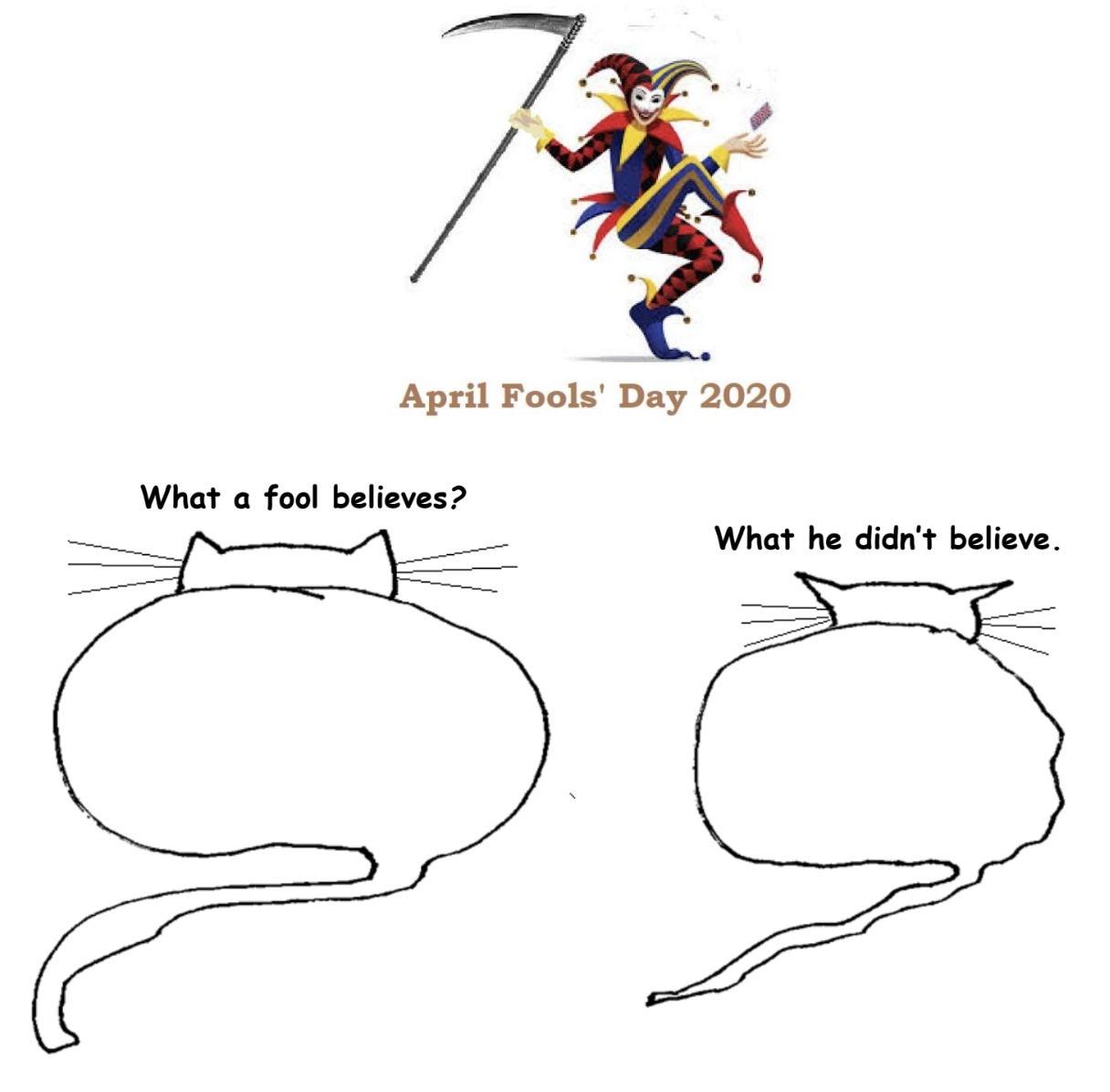
 I’ve been telecommuting on and off for over 17 years. I first started working from home because I’d moved 150 miles away from the company I’d been contracting for over the previous 4 years. Back then, I worked in a small team that was part of a larger team in a huge corporation. My immediate boss was very supportive of my new working arrangement, but he had a peer, who even though she had no responsibility for my work, felt the need to have her say to their mutual boss. Her thoughts went along lines of, “how do we know she’s really working when she never comes into the office?”, to which my boss said, “well someone is getting all the work done, so if it isn’t Sarah, who is it?”. This conversation seems almost quaint nowadays, when even before the current pandemic, a decent amount of the white-collar professional workforce worked at least occasionally from home. And now of course, we’ve all been thrust into a great social experiment to see just how productive, perhaps more rather than less even, the entire workforce will be working remotely. Everyone else is now catching up to what I’ve known for a long time: it’s pretty nice to not have to deal with the daily commute and that time can really be used more productively than fighting for space on mass transit; you have to be at least somewhat disciplined to make sure you only go so many days working in the same pjs you’ve been in all week; working from home can give you a lot of time to multitask life stuff like unloading the dishwasher while you’re listening to a conference call, but it can also be harder to draw boundaries between home and work life, and this takes some practice.