by Samia Altaf
Last night I dreamed I was on my way to the tailor’s in the H-Block market to pick up the outfit that Mrs. Obama was to wear at President Obama’s second inauguration. The State Department official who was to transport it in the diplomatic pouch was on the tarmac waiting in the military plane with its engines revving. Everything was set.
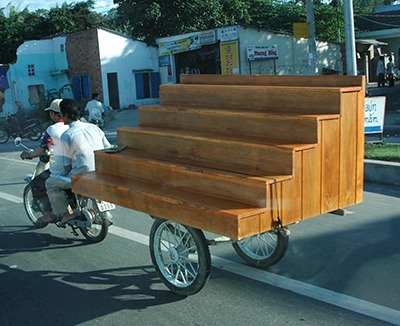
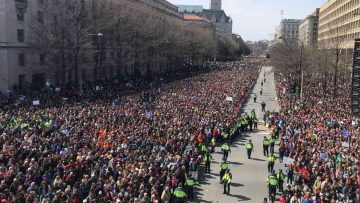
But real life is unpredictable and the best laid plans of mice and men, and women too, can get derailed. As I skirted the roundabout to go north, traffic stalled in the circle of Lalikjan Chowk. A crowd of bearded and turbaned men, their trouser-ends hoisted above the ankles, was milling around, waving their arms and shouting, their teeth gleaming white through their black beards. Some energetic ones, skinny and intense, also with black floating beards, were rerouting the traffic advising the cars to turn back. That I could not afford to do. This was a mission-critical errand—the first lady was to wear the outfit in the morning and it was already night in Washington, D.C. All I had was the ten-hour time difference in Lahore.
I figured it was a religious demonstration, one faction of Muslims upset at another’s manner of dressing or eating or laughing or standing. Then I saw saw women and children holding placards protesting power failures and the increased cost of the whatever little electric supply that came their way for couple of hours in the day. Keep your focus I told myself, circling around, zigzagging through the utility shops on the left of the roundabout, past the back wall of the S-Block graveyard, navigating the Z-Block bylanes across from the padlocked library, lurching over the empty lot behind the big mosque to finally arrive at the complex housing the tailoring shop. Read more »
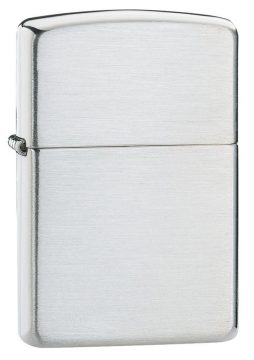 Growing up, a lighter branded you as suspect to any Baptist worth his King James Version. Because really, other than smoking and setting houses on fire to incinerate the family within just for kicks, what did you need a lighter for anyway? If you wanted to light something righteous like a candle or the water heater, you reached for the box of safety matches next to the paprika in the spice cabinet. They had SAFETY written on the box in case you felt tempted to go astray. Lighters should have had Iniquity Equipment inscribed on them as far as we were concerned.

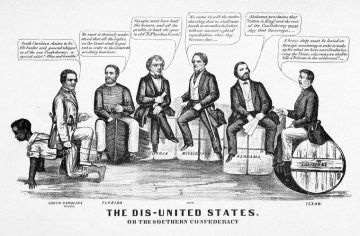 By the time Sherman’s armies had scorched and bow-tied their way to the sea, by the time Halleck had followed Grant’s orders to “eat out Virginia clean and clear as far as they go, so that crows flying over it for the balance of the season will have to carry their own provender with them,” and by the time Winfield Scott’s Anaconda Plan was finished squeezing every drop of life out of the Confederacy, there had to be those who wondered what possible logic would lead intelligent men like Jefferson Davis to make such a catastrophic choice.
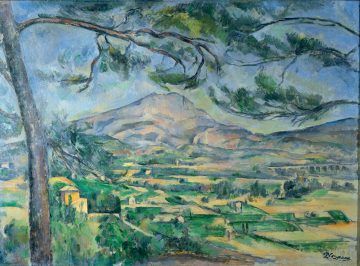 Philosophers have spilled a great deal of ink attempting to nail down once and for all the necessary and sufficient conditions for a thing’s being a work of art. Many theories have been proposed, which can seem in retrospect to have been motivated by particular works or movements in the history of art: if you’re into Cézanne, you might think art is “significant form,” but if you’re impressed by Andy Warhol, you might that arthood is not inherent in a work’s perceptible attributes, but is instead something conferred upon it by members of the artworld.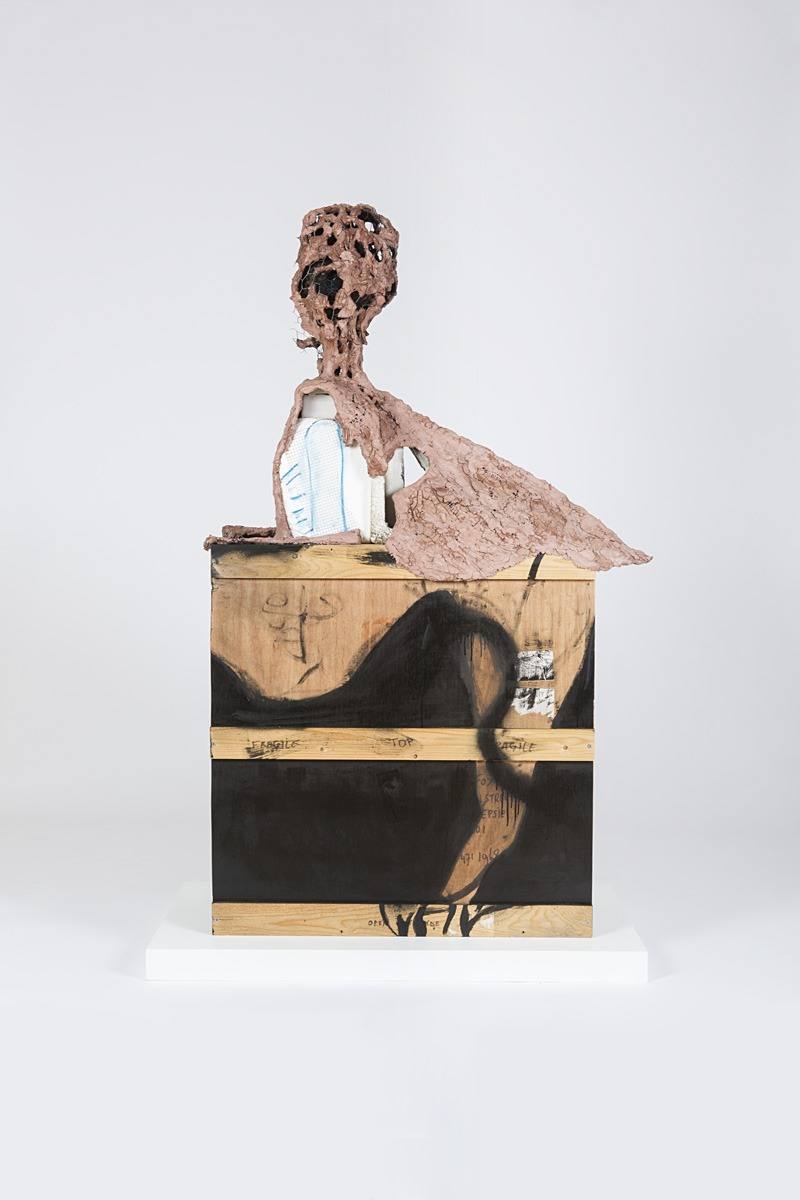
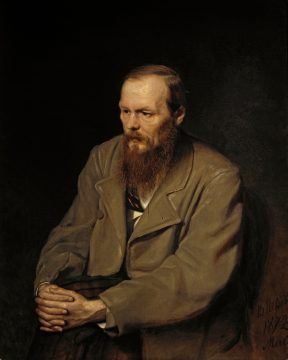
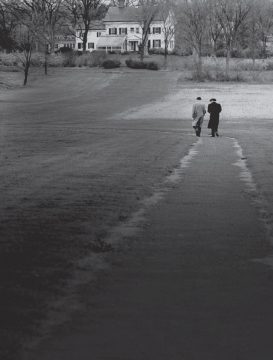 logician of modern times, at Einstein’s urging, brought his two magnificent proofs to Princeton. There he would remain for almost forty years, never mentoring a graduate student, rarely lecturing, adding only one substantial but incomplete proof to the cannon of math.
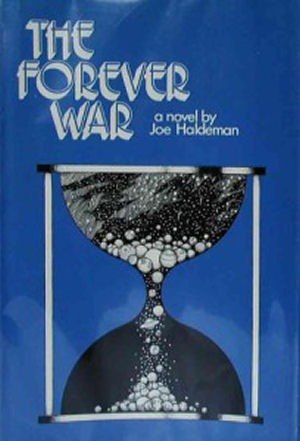 In 1974, noted science fiction author Joe Haldeman published a novel called The Forever War, which won several awards and spawned sequels, a comic version, and even a board game. The Forever War tells the story of William Mandella, a young physics student drafted into a war that humans are waging against an alien race called the Taurans. The Taurans are thousands of light years away, and traveling there and back at light speed leads Mandella and other soldiers to experience time differently. During two years of battle, decades pass by on Earth. Consequently, the world Mandella returns to each time is increasingly different and foreign to him. He eventually finds his home planet’s culture unrecognizable; even English has changed to the point that he can no longer understand it.