
Dr. Benjamin Ebert is remarkable for his leadership in describing the genomic landscape of adult myelodysplastic syndrome (MDS), including identifying critical new roles for ribosomal dysfunction. His laboratory discovered the molecular basis of lenalidomide activity in MDS as well as multiple myeloma. Recent studies have identified clonal hematopoiesis and its contribution to both hematologic malignancies and cardiovascular disease. Along with human genetic studies, Dr. Ebert’s lab has made significant contributions to understanding the biological basis of the transformation of hematopoietic cells by somatic mutations. Currently, he is chair of the medical oncology department at Dana-Farber Cancer Institute and Professor of Medicine at Harvard Medical School.
Azra Raza, author of The First Cell: And the Human Costs of Pursuing Cancer to the Last, oncologist and professor of medicine at Columbia University, and 3QD editor, decided to speak to more than 20 leading cancer investigators and ask each of them the same five questions listed below. She videotaped the interviews and over the next months we will be posting them here one at a time each Monday. Please keep in mind that Azra and the rest of us at 3QD neither endorse nor oppose any of the answers given by the researchers as part of this project. Their views are their own. One can browse all previous interviews here.
1. We were treating acute myeloid leukemia (AML) with 7+3 (7 days of the drug cytosine arabinoside and 3 days of daunomycin) in 1977. We are still doing the same in 2019. What is the best way forward to change it by 2028?
2. There are 3.5 million papers on cancer, 135,000 in 2017 alone. There is a staggering disconnect between great scientific insights and translation to improved therapy. What are we doing wrong?
3. The fact that children respond to the same treatment better than adults seems to suggest that the cancer biology is different and also that the host is different. Since most cancers increase with age, even having good therapy may not matter as the host is decrepit. Solution?
4. You have great knowledge and experience in the field. If you were given limitless resources to plan a cure for cancer, what will you do?
5. Offering patients with advanced stage non-curable cancer, palliative but toxic treatments is a service or disservice in the current therapeutic landscape?
 In a
In a 
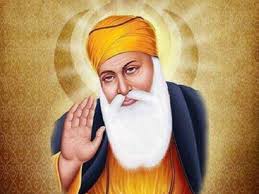 A few tall, dreamy-eyed Sikh men were on my plane to Lahore.

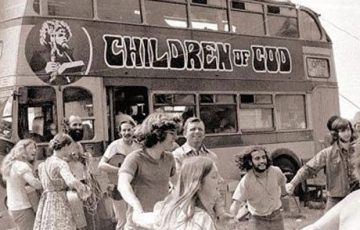 I never met Jeremy Spencer, so I can only guess. I suspect he was searching for something. Only 23 years old, perhaps he was unhappy with himself, or the world around him. Perhaps he was scared and craving shelter from the storm. Perhaps he dreamed of what could be, or pined for a grand voyage. Maybe he just got lost.
 In Homo Deus, the 2017 follow-up to his widely read Sapiens, Yuval Noah Harari dismisses the idea of free will in cavalier fashion. Contemporary science, he argues, has proved it to be a fiction. In support of this claim, he offers several arguments.
 Once upon a time, in a beautiful but endangered forest far far away a prince and princess met, fell in love and married. They were blessed with a hundred children. “I wonder,” said the princess, somewhat exhausted from her exertions, “how best to raise our dear ones to care for each other and their beautiful forest home?” “I have heard,” replied her husband “that reading to children matters.”
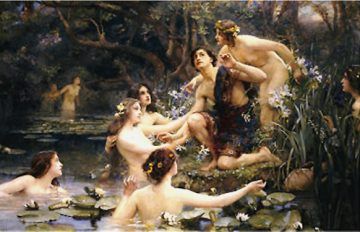

 Wine is a living, dynamically changing, energetic organism. Although it doesn’t quite satisfy strict biological criteria for life, wine exhibits constant, unpredictable variation. It has a developmental trajectory of its own that resists human intentions and an internal structure that facilitates exchange with the external environment thus maintaining a process similar to homeostasis. Organisms are disposed to respond to changes in the environment in ways that do not threaten their integrity. Winemakers build this capacity for vitality in the wines they make.

 I was always a skinny fuck. Forever the thinnest kid in the class, and for a longtime the second shortest boy (thank you, David Mehler). My stick-figure proportions were the thing of legend. I could suck my stomach in so far that some people swore they could touch the inside of my spine. My uncle used to refer to me as the Biafra Boy, a tasteless reference to the gruesome famine that accompanied the Nigerian Civil War (1967 – 70). In an effort to fatten me up, my grandmother would serve me breakfast cereal with half-and-half instead of milk. It was to no avail. A growth spurt in the 8th grade got me well above the short kids, but my body didn’t fill out. I graduated high school standing five feet, nine and a half inches tall, and weighing less than 120 pounds.