by Brooks Riley
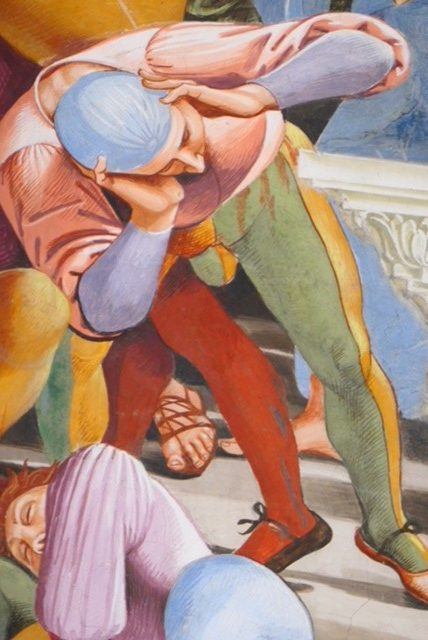
It’s not every day that a small, unexpected masterpiece shows up in your mailbox, arriving with the same modest ‘ping’ that announces the other electronic missives. This was no ordinary masterpiece. It was the photograph of a detail from Luca Signorelli’s fresco La Fine del Mondo on the entrance wall of La Cappella di San Brizio in Orvieto, the work itself a masterpiece of painterly skill and imagination, dating from ca.1500. It was taken by a good friend who spent several days with the monumental Signorelli frescoes on the interior walls of the cathedral of Orvieto.
The masterpiece I received, one small element of the arched fresco, achieved its rarified aesthetic status from having been isolated by the photographer for the frame, an act of proto-cropping used by anyone who’s ever put his eye to a viewfinder—or for that matter, anyone who’s ever opened his eyes.
We are all born with a cropping tool: It’s called focus. When we wake up in the morning, the eyes flutter open, we leave our cerebral home with its latent, chimerical images and are confronted by a giant canvas with millions of details, fuzzy around the outer edges, stretching out a full 180 degrees. Without a thought, we begin to cut away the dull bits, homing in on the alarm clock, the window, our phones, a doorknob, maybe even our fingernails. This is how we maneuver our way through the day and through life, cropping the big picture to highlight the parts we actually need to see at any given moment. Most of our time and attention are devoted to the details we’ve cropped from our greater field of vision, whether it’s the utensils we use, or the paths we take, or the signs we read.
In photography, cropping occurs before the picture is taken. Read more »
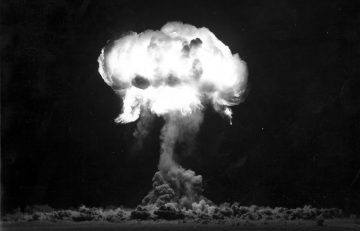 Calls for a Manhattan Project–style crash effort to develop artificial intelligence (AI) technology are thick on the ground these days. Oren Etzioni, the CEO of the Allen Institute for Artificial Intelligence, recently issued such a call on
 Fans are the people who know the quotes, the dates of publication, the batting averages, the bassist on this album, the team that general manager coached before. I am not a fan. Don’t get me wrong. I’m full of enthusiasms. But I can’t match you statistic for statistic. I haven’t read the major author’s minor novel. I don’t care who the bassist was. You win. I’m an amateur.
 When I watched the 2019 documentary on Apollo 11, it carried me back not to the summer of 1969, when it happened, but to the mid-1980s, when I was an undergrad. I was eight when Apollo 11 launched; of course I was aware of the space program and the moon landings, but I don’t have any memories of everyone gathering around to watch those first steps on another world. My parents weren’t particularly interested, and I don’t remember being caught by the spirit of the times myself.
 cinematic representations of Muslims. Stage One features stereotyped figures (the taxi driver, terrorist, cornershop owner, or oppressed woman). Stage Two involves a portrayal that subverts and challenges those stereotypes. Finally, Stage Three is ‘the Promised Land, where you play a character whose story is not intrinsically linked to his race’. Does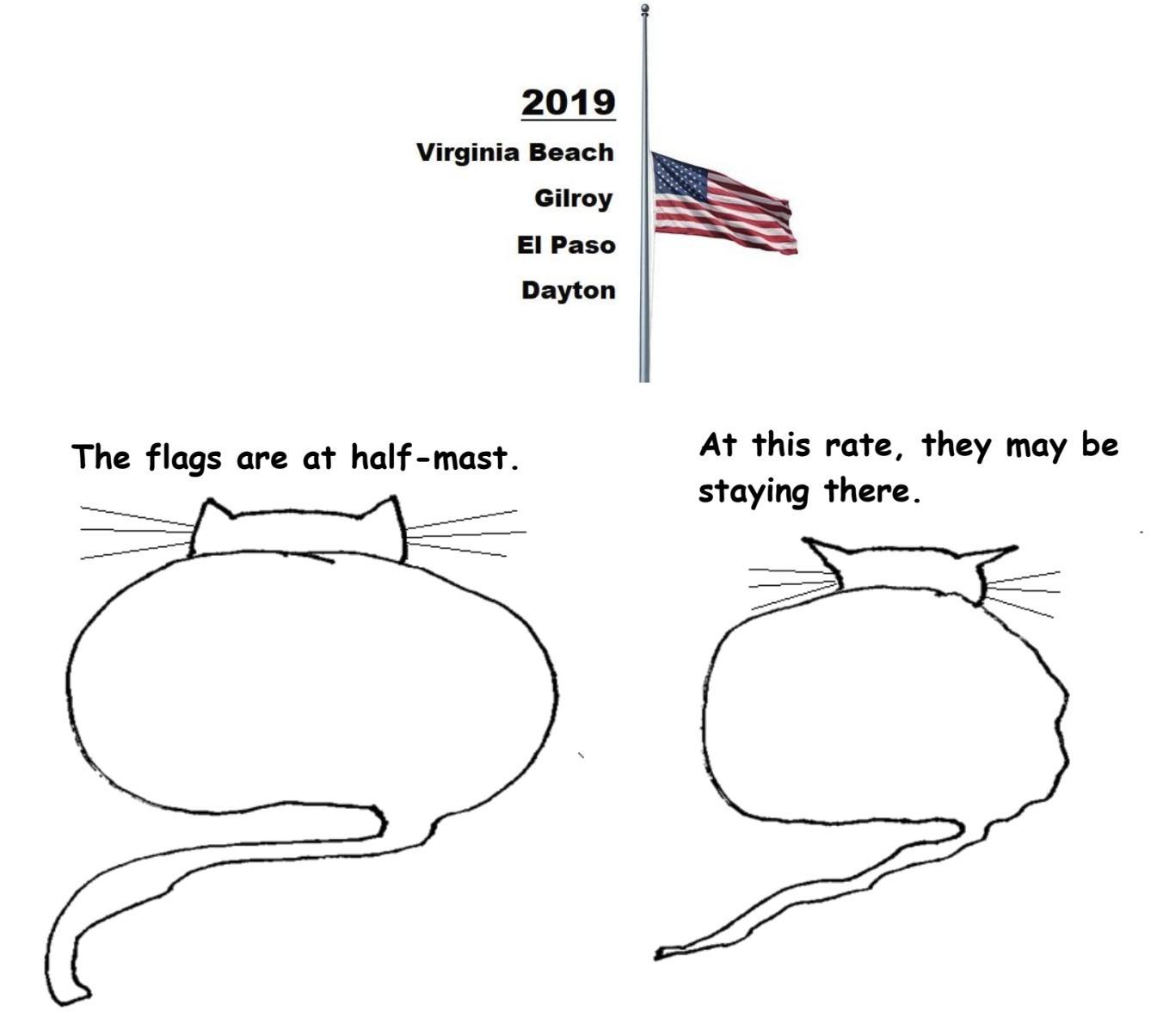
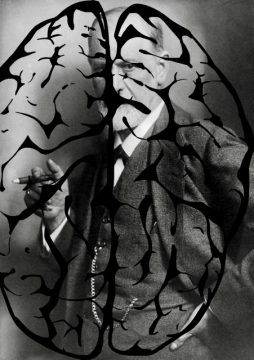 Our expectations sculpt neural activity, causing our brains to represent the outcomes of our actions as we expect them to unfold. This is consistent with a growing psychological literature suggesting that our experience of our actions is biased towards what we expect. —
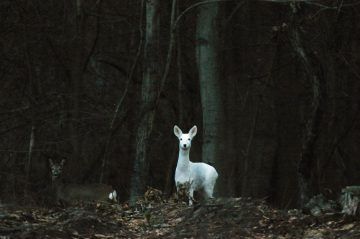 Into the Woods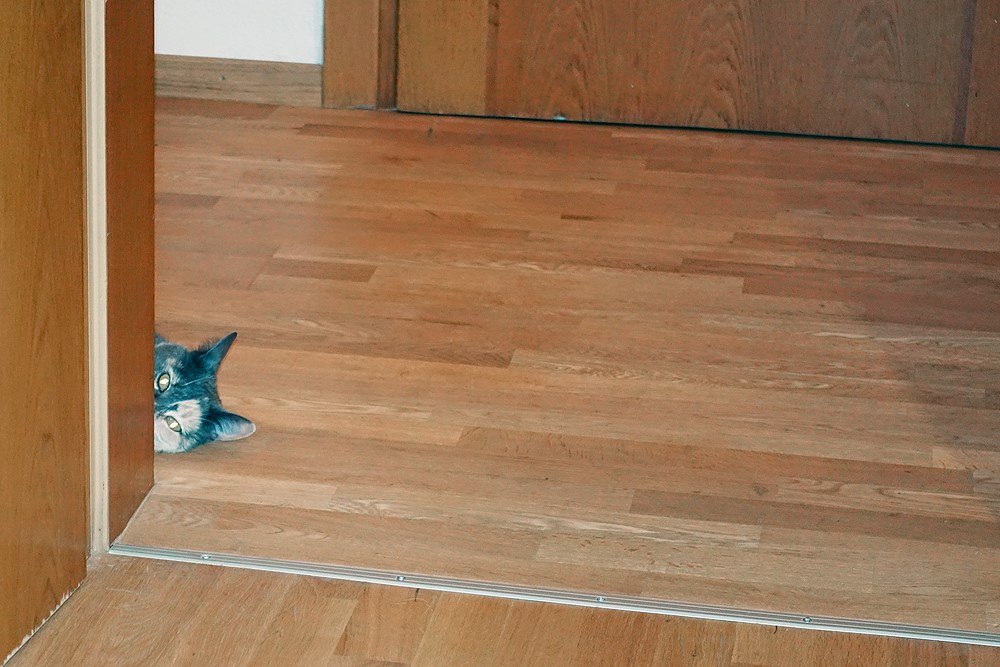
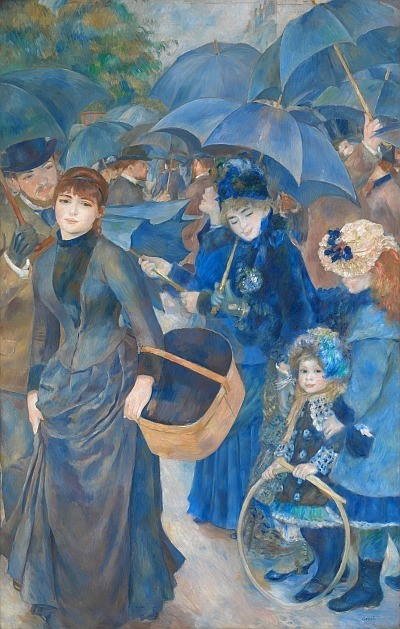
 My friend does not use punctuation when he texts, so there is a stream-of-consciousness quality to much of his communications. According to the fine folks at
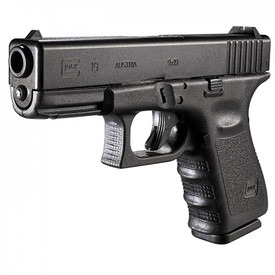 The right to own guns is typically justified by the fundamental right to self-defense against bad guys, either our fellow citizens or the state itself if it were to turn tyrannical. Both of these have a superficial appeal but fail in obvious ways. Guns are an effective means of defending oneself against bad guys only so long as they don’t have guns too (because being equally armed doesn’t add up a defense against those who can pick and choose their moment of aggression). Civilians with guns are also ineffective against the armies and ruthless terroristic violence of a truly tyrannical regime.
 So goes a popular snippet from Seinfeld. In a 2014 article in The Guardian titled “Smug: The most toxic insult of them all?” Mark Hooper opined that “there can be few more damning labels in modern Britain than ‘smug.'” And CBS journalist Will Rahn declared, in the wake of Donald Trump’s 2016 electoral victory, that “modern journalism’s great moral and intellectual failing [is] its unbearable smugness.”