by Ashutosh Jogalekar

S. C. Gwynne’s “Hymns of the Republic” is an excellent book about the last, vicious, uncertain year of the Civil War, beginning with the Battle of the Wilderness in May 1864 and ending with the proper burial of the dead in Andersonville Cemetery in May 1865. The book weaves in and out of battlefield conflicts and political developments in Washington, although the battlefields are its main focus. While character portraits of major players like Lee, Grant, Lincoln and Sherman are sharply drawn, the real value of the book is in shedding light on some underappreciated characters. There was Clara Barton, a stupendously dogged and brave army nurse who lobbied senators and faked army passes to help horrifically wounded soldiers on the front. There was John Singleton Mosby, an expert in guerilla warfare who made life miserable for Philip Sheridan’s army in Virginia; it was in part as a response to Mosby’s raids that Sheridan and Grant decided to implement a scorched earth policy that became a mainstay of the final year of the war. There was Benjamin Butler, a legal genius and mediocre general who used a clever legal ploy to attract thousands of slaves to him and to freedom; his main argument was that because the confederate states had declared themselves to be a separate country, the Fugitive Slave Act which would allow them to claim back any escaped slaves would not apply. Read more »
 Despite Vonnegut’s strong counsel to babies entering the world, kindness seems to be in short supply. Little wonder. Our news media portray to us a world of power politics, corporate greed, murders, and cruel policies which are anything but kind. Our popular forms of entertainment, much more often than not, are stories about battles that shock and thrill us and gratify our lust for bloody vengeance, leaving no room for wimpy, kind sentiments. Success is advertised to us as requiring harsh discipline, dedication, and focus, and kindness, it appears, need not apply. Even though we all like to give and receive kindnesses, they seem to play no role in our political, social, and cultural economies.
 In a
In a 

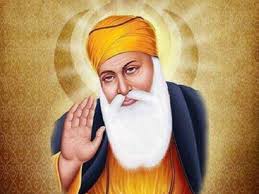 A few tall, dreamy-eyed Sikh men were on my plane to Lahore.

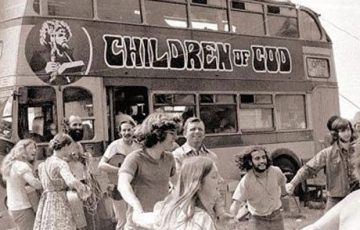 I never met Jeremy Spencer, so I can only guess. I suspect he was searching for something. Only 23 years old, perhaps he was unhappy with himself, or the world around him. Perhaps he was scared and craving shelter from the storm. Perhaps he dreamed of what could be, or pined for a grand voyage. Maybe he just got lost.
 In Homo Deus, the 2017 follow-up to his widely read Sapiens, Yuval Noah Harari dismisses the idea of free will in cavalier fashion. Contemporary science, he argues, has proved it to be a fiction. In support of this claim, he offers several arguments.
 Once upon a time, in a beautiful but endangered forest far far away a prince and princess met, fell in love and married. They were blessed with a hundred children. “I wonder,” said the princess, somewhat exhausted from her exertions, “how best to raise our dear ones to care for each other and their beautiful forest home?” “I have heard,” replied her husband “that reading to children matters.”