
This pandemic changes everything, we can’t go back to the way we were. That’s what everyone is saying. Well, not everyone, but I don’t know how many times I’ve read some version of that over the past month.

I would like to reflect on that theme, albeit in perhaps and oblique and impressionist manner. I want to begin by invoking a recent essay in which Marc Andreessen urges us to “reboot the American Dream.” Then I move back half a century and look at Walt Disney’s version of, well, the American Dream. I return to the present through an essay by Ezra Klein and conclude with a video in which Sean O’Sullivan talks of how he came to form an NGO that worked on building Iraq early in this millennium.
Marc Andreessen: Let’s Build Something!
Roughly two weeks ago a prominent Silicon Valley venture capitalist, Marc Andreessen, issued a call to action, It’s Time to Build, which has been getting a lot of action, pro, con, and sideways. Here’s how it opens:
Every Western institution was unprepared for the coronavirus pandemic, despite many prior warnings. This monumental failure of institutional effectiveness will reverberate for the rest of the decade, but it’s not too early to ask why, and what we need to do about it.
Many of us would like to pin the cause on one political party or another, on one government or another. But the harsh reality is that it all failed — no Western country, or state, or city was prepared — and despite hard work and often extraordinary sacrifice by many people within these institutions. So the problem runs deeper than your favorite political opponent or your home nation. Read more »
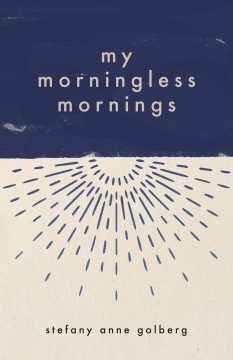 Stefany Anne Golberg’s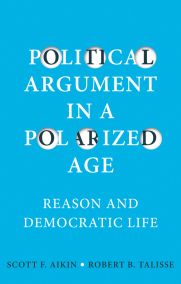
 As we continue to distance ourselves from others in the midst of the new coronavirus pandemic, we hear about other people’s new rituals and routines as we formulate our own. As each day to be spent at home stretches (looms) ahead of us when we awake in the morning, rituals give the day shape, symmetry, a framework. What significance do these new rituals have for us individually and as a society? What did the old rituals mean? What if we were to take an anthropological approach to our own predicament?
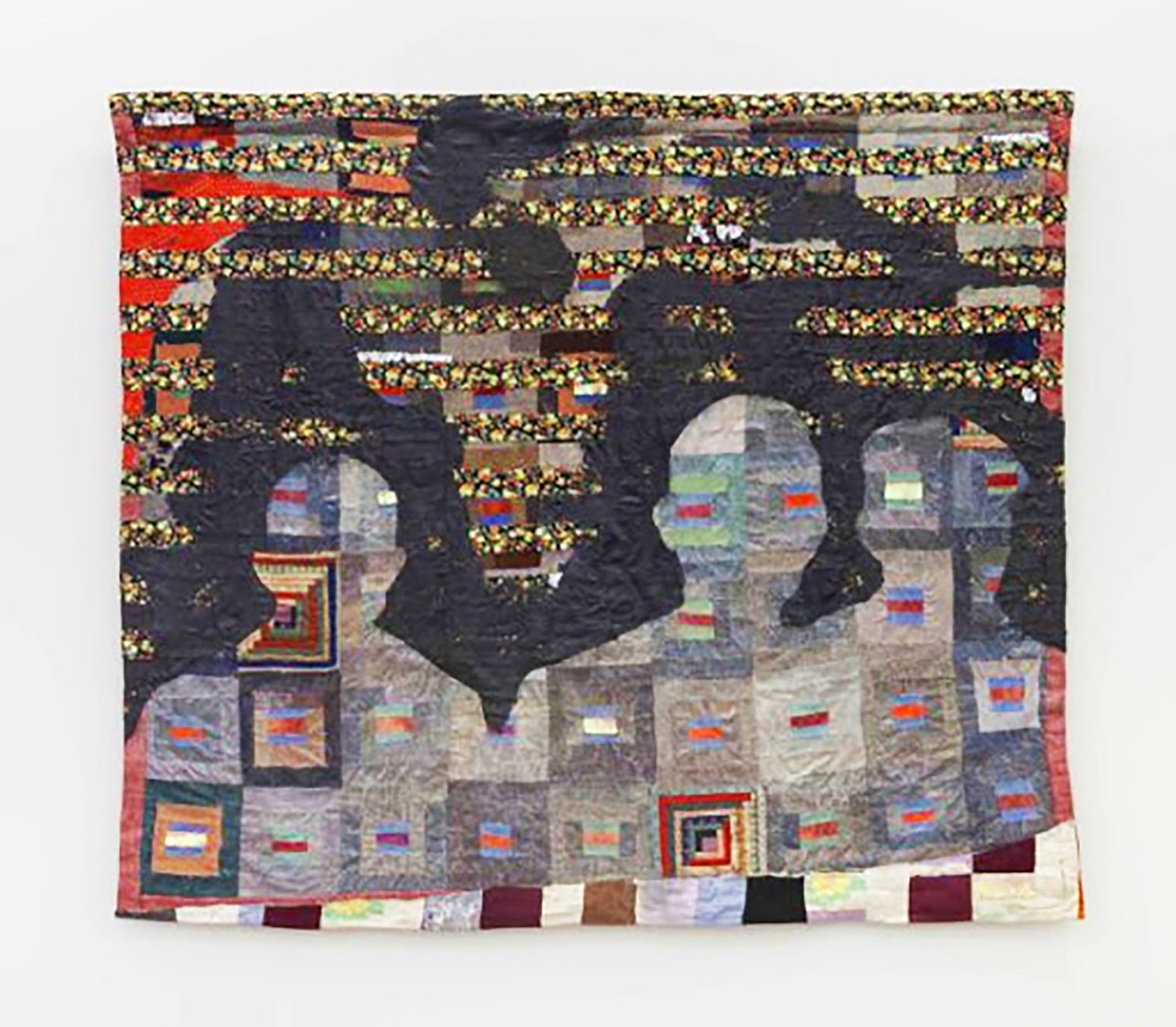

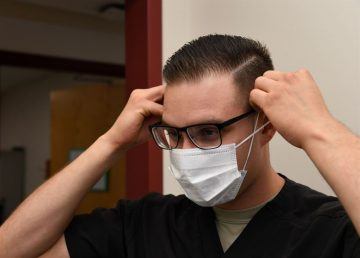 Our society needs virologists. Heeding their advice is valuable and consequential. In the Coronavirus pandemic, German politicians listened to the virologists, and Germany is doing relatively well. Other political leaders have (too long) ignored the virologists, and their citizenry is paying a high price.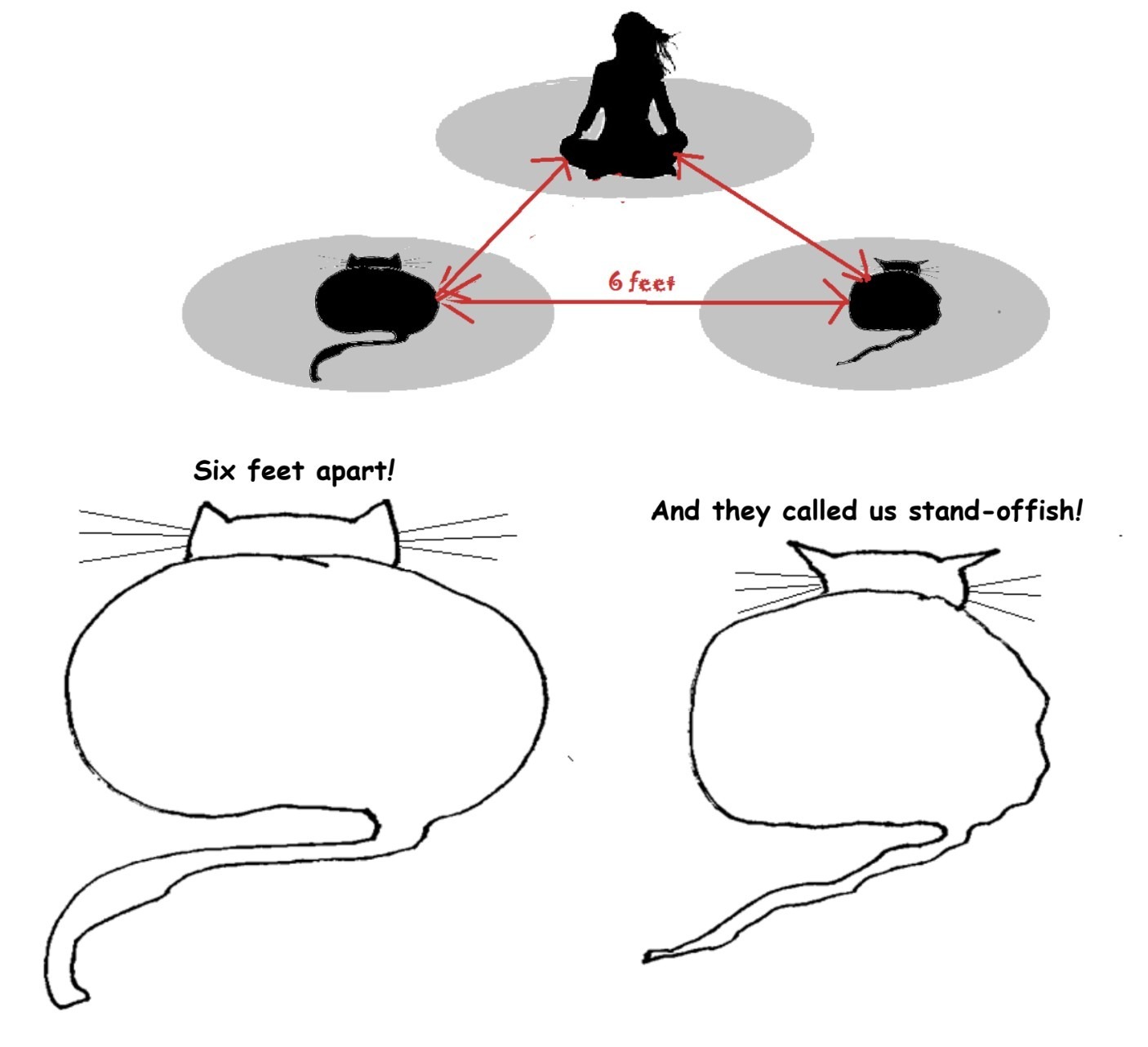


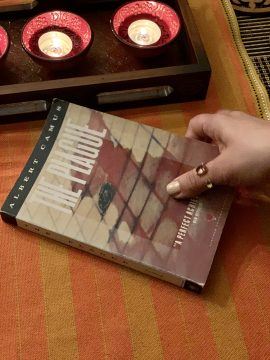
 In contrast with other genres in literature, in crime fiction, which mainly started in the mid-19th century, women writers (and even women sleuths) became active around the same time as male writers and sleuths in their stories. By some accounts around the middle of 1860’s, both the first modern detective novels (by female as well as male writers in US, UK and France) and the first professional female detectives in them (one Mrs. G— in one case, Mrs. Paschal in another, both working for the British police) appeared. Most of us, of course, are more familiar with characters in the Golden Age of crime fiction of the 1920’s and the 1930’s, particularly, Agatha Christie’s Miss Jane Marple and Dorothy Sayers’ Harriet Vane. The number of female writers and sleuths has proliferated in recent decades. It goes without saying that not all of the female crime novelists come out as feminists, and that some male writers can do feminist crime novels quite well.
 Sughra Raza. Untitled; Arnold Arboretum, Boston, March, 2020.
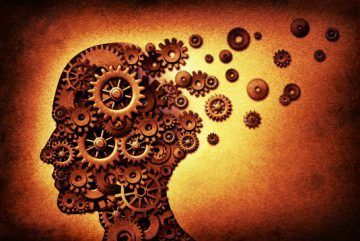 The “Consequence Argument” is a powerful argument for the conclusion that, if determinism is true, then we have no control over what we do or will do. The argument is straightforward and simple (as given in the Stanford Encyclopedia of Philosophy):
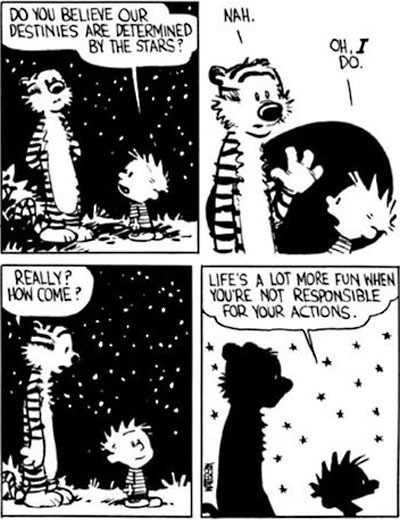 What can I make of these decisions emerging out of the blue, which I appear to act upon “freely?” What are the consequences of how I choose to react to them? Although these are vague philosophical musings, let’s look instead at the science of it all. I’m a layman, neither scientist nor philosopher, but as we are rediscovering, scientists are a less fuzzy lot than philosophers. I’m more likely to ask the woman with the medical degree about the true meaning of my dry cough than to ask philosopher