by Fabio Tollon

What is “character”? In general, we might say that the character of something is what distinguishes it from other things. Sedimentary rocks have a certain “character” that distinguishes them from igneous rocks, for example. Rocks, however, do not have personality (so far as I can tell). Human beings have personality, and it is thought that there is some connection between personality and character, but my interest does not lie in how exactly this relation works, as here I will be concerned with character specifically. To that end, we might specify that character is a collection of properties that distinguishes one individual person from another. When we say “she is wise” we are saying something about her personality, but we are also judging her character: we are, in effect, claiming that we admire her, due to some feature of her character. There could be myriad reasons for this. Perhaps she takes a keen interest in the world around her, has well-formed beliefs, reads many books, etc. In the case where she indeed displays the virtues associated with being wise, we would say that our assessment of her character is fitting, that is, such an assessment correctly identifies the kinds of things she stands for and values. The question I want to consider is whether the value laden nature of technology undermines our ability to make such character assessments. Read more »
 It’s the middle of July, 2020, the middle of a heat wave in the middle of the pandemic, and my first day in the radiation room. I stand in socks and starchy hospital gown before the Star Trek-ish linear accelerator, waiting for the technicians to fit me on the machine’s bed-like tray for best positioning. But in my mind I’m standing four years ago in the kitchen of my new home in Rhode Island, where beside me a cable company worker tapped in a phone number for advice about how to maneuver spotty Internet service into a happy ending. While he waited for his boss to call back, he mentioned, with a hint of wonder in his voice, “Y’know, this is my first day on the job after four months.”

 Climate change is such a terrifying large problem that it is hard to think sensibly about. On the one hand this makes many people prefer denial. On the other hand it can exert a warping effect on the reasoning of even those who do take it seriously. In particular, many confuse the power we have over what the lives of future generations will be like – and the moral responsibility that follows from that – with the idea that we are better off than them. These people seem to have taken the idea of the world as finite and combined it with the idea that this generation is behaving selfishly to produce a picture of us as gluttons whose overconsumption will reduce future generations to penury. But this completely misrepresents the challenge of climate change.
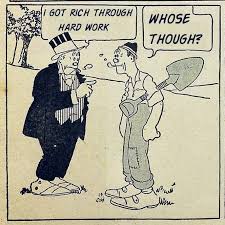 Adam Smith’s The Wealth of Nations begins with this claim:
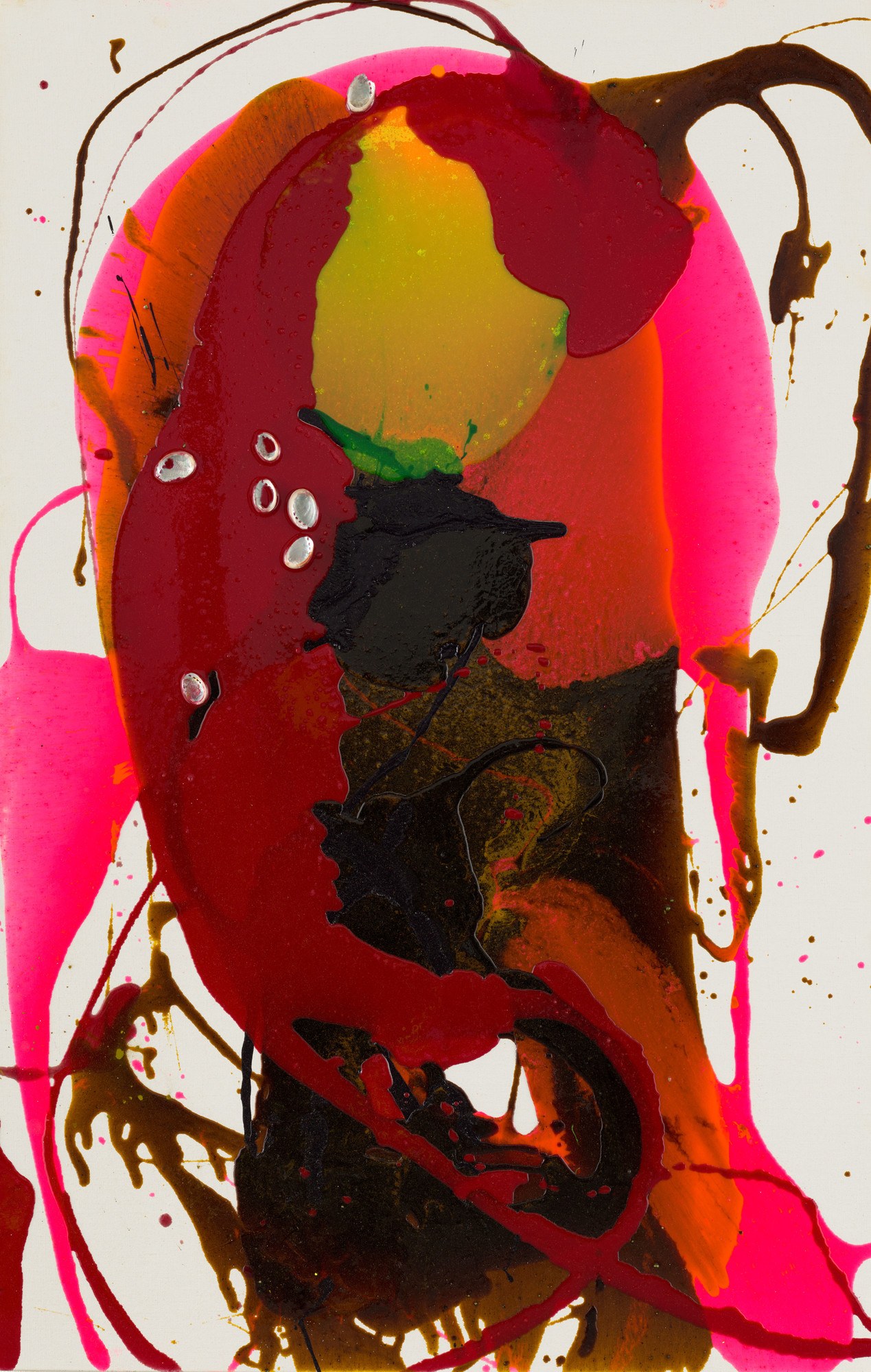 Helen Marden. Raja Ampat, 2018.
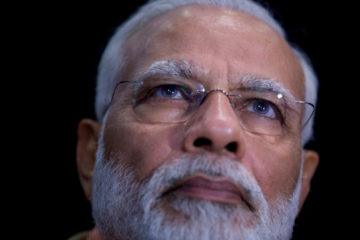 I know someone—I’ll call him by his initials, KR—who is a Modi supporter. I have known KR for as long as I can remember. He is an intelligent, well-educated, well-travelled man. Now retired, he has a successful career behind him. He is Hindu, but he actively participated in the traditions and practices of other religions. Personally, I have great affection for him. Politically, we are now like oil and water. I usually avoid discussing politics with him because it inevitably ends in an argument: his view of Prime Minister Modi couldn’t be further from mine. In order to understand why people like him
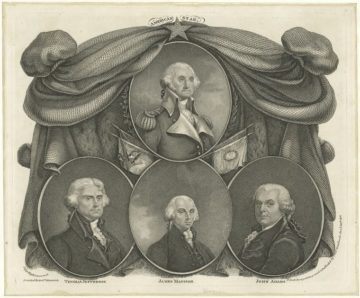 John Adams was not the kind of man who easily agreed, and it showed. Nor was he the kind of man who found others agreeable. Few have accomplished so much in life while gaining so little satisfaction from it. When you think about the Four Horsemen of Independence, it’s Washington in the lead, Benjamin Franklin, Thomas Jefferson and, last in the hearts of his countrymen, John Adams. You could add to that mix James Madison and even the intensely controversial Alexander Hamilton, and, once again, if you were counting fervent supporters, Adams would still bring up the rear.