by Brooks Riley
 There are momentary flashes in the aesthetic life of an individual which can’t be explained away by the exigencies of personal taste or the broader parameters of gender-biased inclinations. These random epiphanies may or may not have their roots in a psychologically identifiable pantheon of ‘likes’, but when they occur, they yank us from our routine expectations of a work and catapult us into a recessive-compulsive emotional terrain resembling infatuation—with a breathlessness induced by the sudden recognition of something strikingly familiar and yet completely unrelated to us.
It’s a given that the brain knows things we don’t know, even if it’s our own grey matter that’s withholding secrets from us. Forget the details of subliminal daily self-maintenance and logistics of being alive, whose rules hold little interest as long as everything is humming along. Consider the other, less tangible connections that the brain makes on its own, regardless of will, regardless of desire—in effect, regardless of me. At times, its affinities seem to have a life of their own, independent of my consciousness or even my history.
 Not long ago, watching an emotional scene between two male Korean detectives in Beyond Evil, I was suddenly transported to Jean Renoir’s anti-war masterpiece La Grand Illusion, set during the First World War: Two aristocratic officers—Rauffenstein, the German commandant of a citadel for prisoners of war, and de Boeldieu a French captive there—are discussing the end of class-oriented military hierarchies and their own shared fate as a dying, useless breed of snobs in the new egalitarian world. Their acquaintance precedes the war, and transcends the level of hostility normally associated with enemies. Read more »

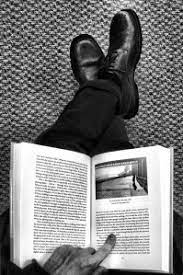 Luxuriating in human ignorance was once a classy fad. Overeducated literary types would read Schopenhauer and Kierkegaard and Dostoevsky and Nietzsche, and soak themselves in the quite intelligent conclusion that ultimate reality cannot be known by Terran primates, no matter how many words they use. They would dwell on the suspicion that anything these primates conceive will be skewed by social, sexual, economic, and religious preconceptions and biases; that the very idea that there is an ultimate reality, with a definable character, may very well be a superstition forced upon us by so humble a force as grammar; that in an absurd life bounded on all sides by illusion, the very best a Terran primate might do is to at least be honest with itself, and compassionate toward its colleagues, so that we might all get through this thing together.
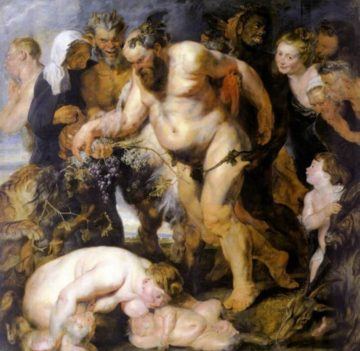 When King Midas asked Silenus what the best thing for man is, Silenus replied, “It is better not to have been born at all. The next best thing for man would be to die quickly.”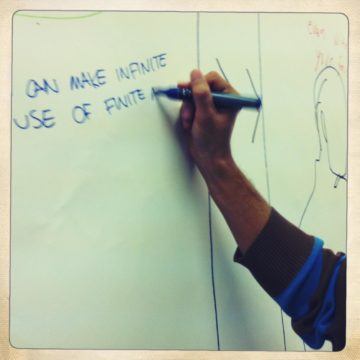
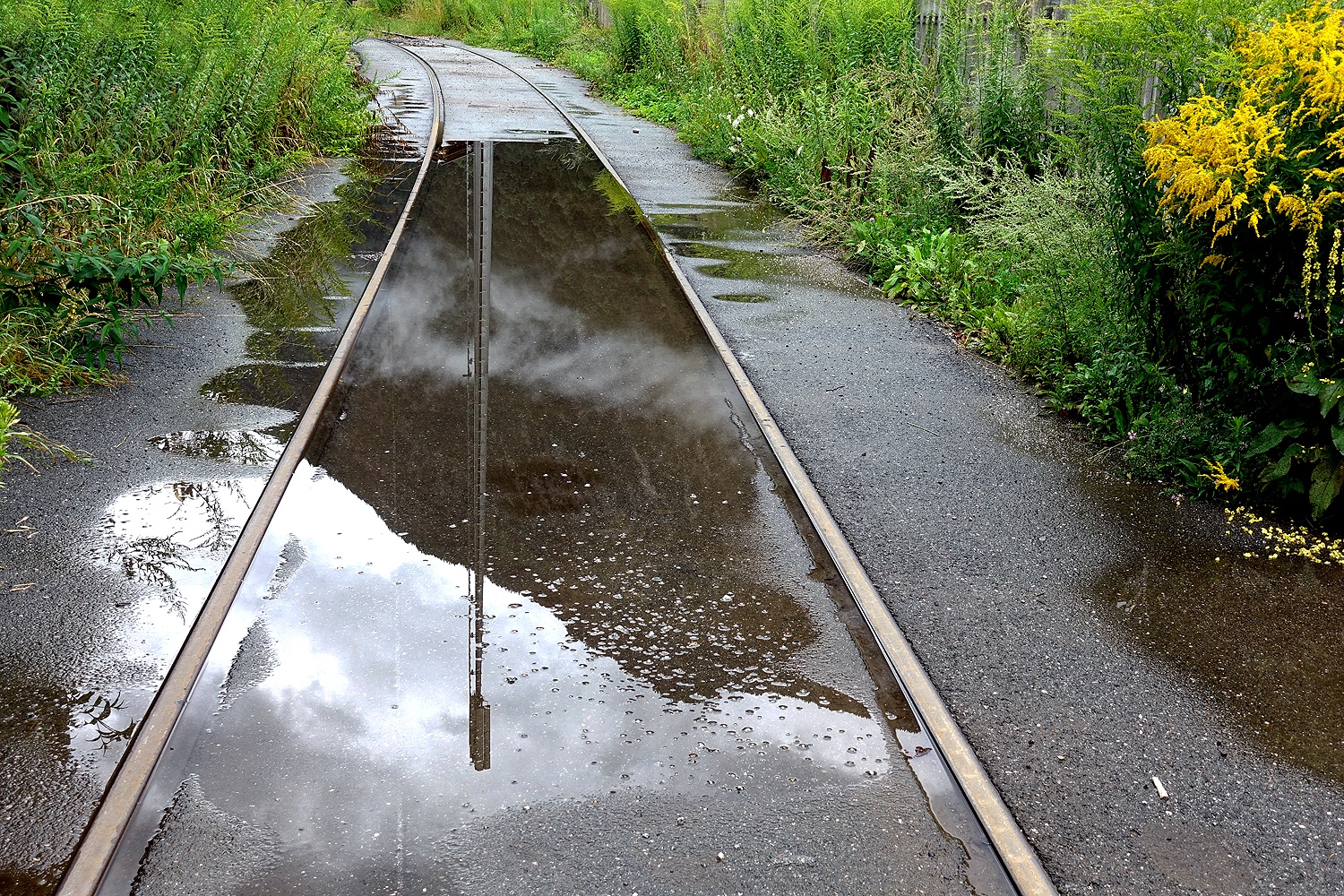
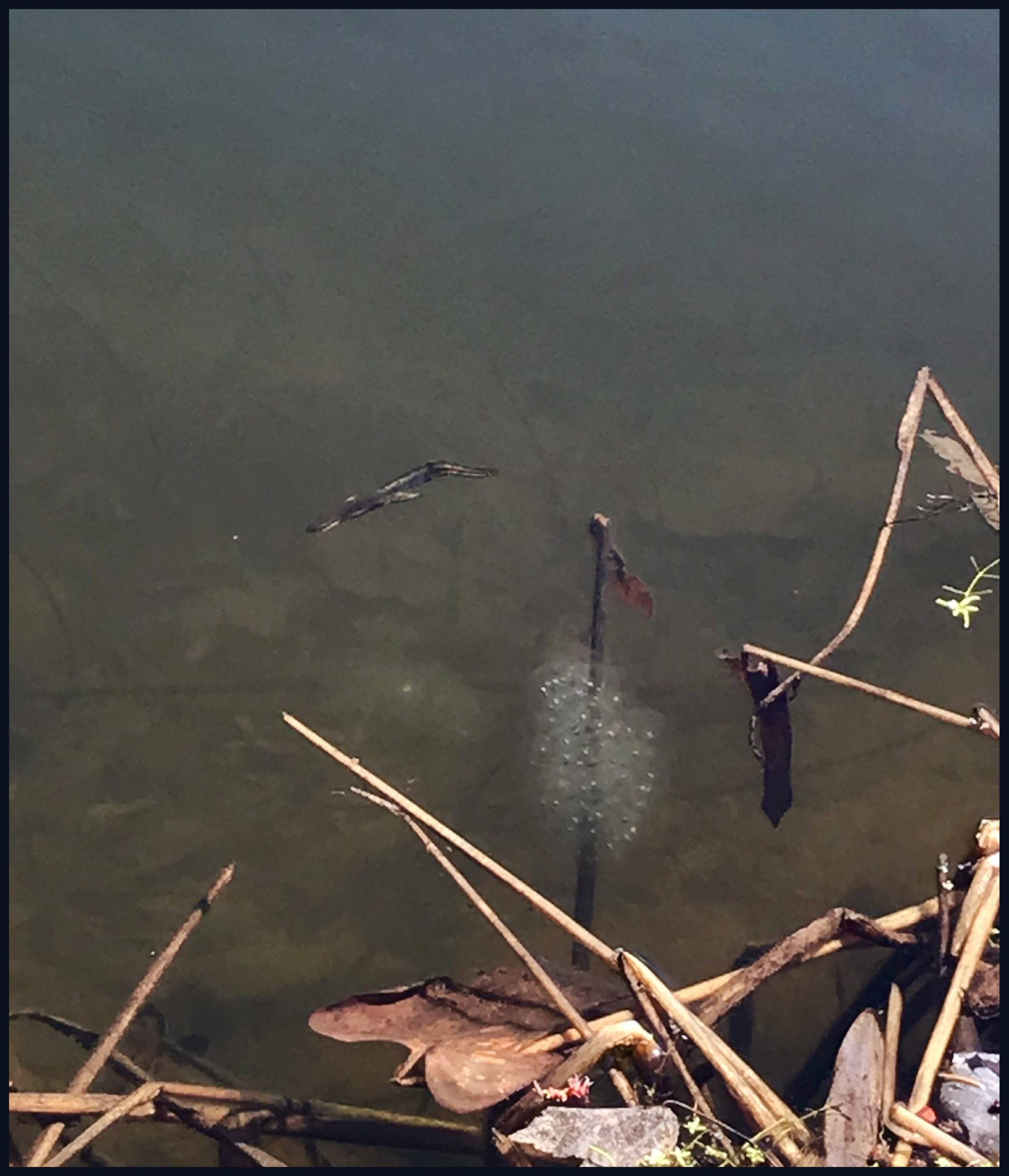 Sughra Raza. Untitled. April 2021


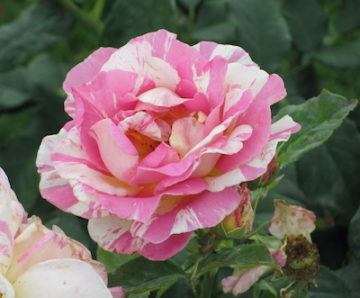 A rose is a rose is…well, you know. Botanically, a rose is the flower of a plant in the genus Rosa in the family Rosaceae. But roses carry the weight of so much symbolism that a rose is seldom only a rose.

 By the time I started regular school my father’s home-schooling had prepared me enough to sail through the various half-yearly and annual examinations relatively easily. Indian exams, certainly then and to a large extent even now, do not test your talent or learning ability, they are mainly a test of your memorizing capacity and dexterity in writing coherent answers in a frantic race against time. I found out that I was reasonably proficient in both, and that it is for the lack of proficiency in these two qualities some of my friends, whom I considered highly imaginative and creative, were not doing so well in school.