by Pranab Bardhan
All of the articles in this series can be found here.
 In my Kolkata neighborhood there was one kind of collective action that was unusually successful–this related to religious festivals. Every autumn there was a tremendous collective mobilization of neighborhood resources and youthful energy in organizing the local pujas for one deity or another, and on these occasions almost the whole community participated with devout dedication and considerable ingenuity (including openly pilfering from the public electricity grid for the holy cause—this art locally known as ‘hooking’).
These festivals had both religious and cultural dimensions, and Bengali society being highly politicized, politics was not far behind. In my childhood politics in my neighborhood was dominated by the Communist Party, and contrary to what you’ll expect, the communists were often enthusiastic participants in those religious festivals. The main difference with the pujas of non-communist localities was in the brochures they produced on these occasions (in our neighborhood they would, for example, invoke the goddess Kali, the fierce deity of destruction, to come and slay the forces of the evil demon of capitalism) and in the list of celebrity artists they’d invite for their cultural soirees, containing mainly those of leftist persuasion.
Many years later when my Italian classmates in England used to discuss Catholic Marxism in their country—on one occasion I even participated in a vigorous discussion with them on the famous film by the Marxist poet-director Pasolini titled “Gospel according to St. Matthew”—I told them about the communist Kali-worshippers of my neighborhood in Kolkata. I also told them of a communist activist Brahmin neighbor who combined, with touching sincerity, his daily activities as a mantra-chanting family priest in several households with his indefatigable party propaganda work every morning at the street-crossing near our house, trying to catch hold of passersby and apprising them of the evil doings of the ruling capitalist-lackey party and his marching in the streets in his lunch break from office work shouting slogans against American imperialism. Read more »
 There are momentary flashes in the aesthetic life of an individual which can’t be explained away by the exigencies of personal taste or the broader parameters of gender-biased inclinations. These random epiphanies may or may not have their roots in a psychologically identifiable pantheon of ‘likes’, but when they occur, they yank us from our routine expectations of a work and catapult us into a recessive-compulsive emotional terrain resembling infatuation—with a breathlessness induced by the sudden recognition of something strikingly familiar and yet completely unrelated to us.
 Not long ago, watching an emotional scene between two male Korean detectives in Beyond Evil, I was suddenly transported to Jean Renoir’s anti-war masterpiece


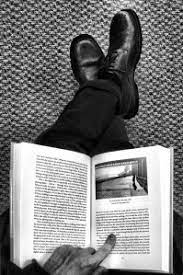 Luxuriating in human ignorance was once a classy fad. Overeducated literary types would read Schopenhauer and Kierkegaard and Dostoevsky and Nietzsche, and soak themselves in the quite intelligent conclusion that ultimate reality cannot be known by Terran primates, no matter how many words they use. They would dwell on the suspicion that anything these primates conceive will be skewed by social, sexual, economic, and religious preconceptions and biases; that the very idea that there is an ultimate reality, with a definable character, may very well be a superstition forced upon us by so humble a force as grammar; that in an absurd life bounded on all sides by illusion, the very best a Terran primate might do is to at least be honest with itself, and compassionate toward its colleagues, so that we might all get through this thing together.
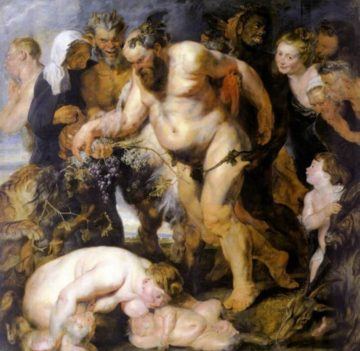 When King Midas asked Silenus what the best thing for man is, Silenus replied, “It is better not to have been born at all. The next best thing for man would be to die quickly.”
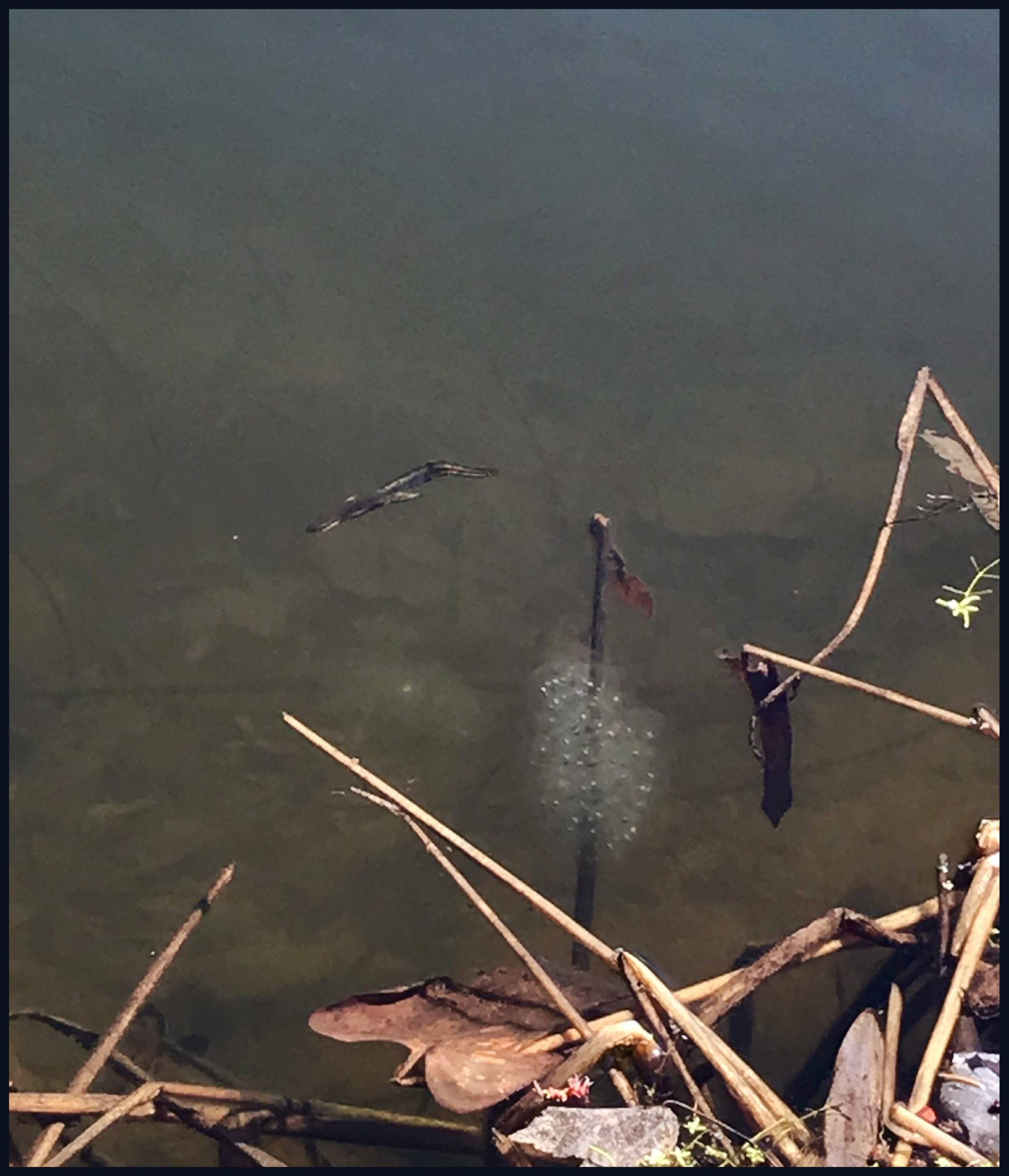 Sughra Raza. Untitled. April 2021


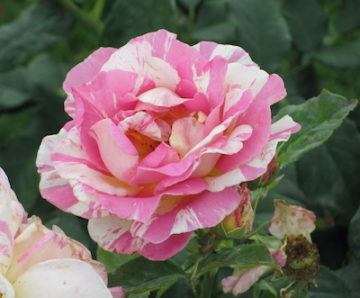 A rose is a rose is…well, you know. Botanically, a rose is the flower of a plant in the genus Rosa in the family Rosaceae. But roses carry the weight of so much symbolism that a rose is seldom only a rose.