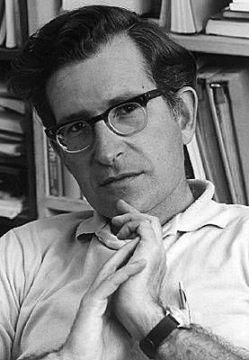
by Pranab Bardhan
All of the articles in this series can be found here.
 In spite of my abiding interest in literature when I came to college I was vaguely inclined to major in History. In the long break between school and college I chanced upon two books of Marxist history which opened me to a new vista of looking at history. The first was Maurice Dobb’s Studies in the Development of Capitalism. This book showed me that there is a discernible pattern in the jumble of facts in history, which attracted me. Soon after, I read a lesser Marxist history book, A.L. Morton’s People’s History of England which showed me how recasting the old widely-known history of England from the people’s perspective gives you new insights. These books whetted my appetite to read more of Marxist history.
In Presidency College there was a thriving tradition of Marxist history; the doyen of the historians there was the Marxist historian Susobhan Sarkar, who had inspired generations of history students there. (I managed to attend a couple of his lectures as a sit-in student, but soon he was to leave Presidency after a long career there). Sarkar’s son, Sumit, also a famous historian now, was a contemporary of mine in College. All around me, in College and in the coffeehouse, the dominant intellectual current was that of Marxists.
In College Street, the main thoroughfare in front of the College, and the road which I walked everyday between my home and College, was a-throb with energetic leftist movements, the most important of which were the protracted agitations in the demand for adequate food at affordable prices for the poor. Loud processions, barricades, blocking of streets, tear gas, police chasing of students, and occasional police shooting became part of my daily excitement. Read more »
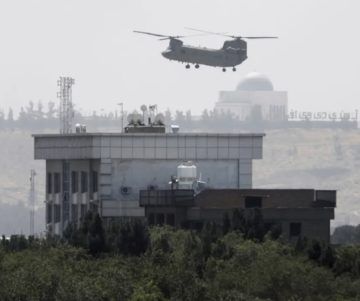 The events in Afghanistan over the last week are being seen as yet another “hinge moment” in history. The images of helicopters evacuating personnel from embassies and people chasing aircraft in desperation to get on them have been seared into the memories of all who have seen them. As a person from the region (Pakistan), a student of history, and as someone interested in the current state of the world, I too have watched these events with a mixture of amazement, trepidation, horror, and perplexity. It is not clear yet whether “hope” or “fear” – or both – should be added to that list. The things I say in this piece are just the thoughts and speculations of a non-expert lay person trying to make sense of an obscure situation. As will be obvious from the rest of this piece, for all the pain and suffering the new situation in Afghanistan will bring to people in Afghanistan, I think that the American decision to withdraw was the only rational choice. The alternative of staying on for years – perhaps decades – to build a better Afghanistan would just be another exercise in paternalistic colonialism. However, the way the withdrawal is happening is a great failure of American leadership and the blame for that lies mainly with the American policies of the last two decades. Perhaps its biggest failure was in not preparing Afghanistan for this day that was sure to come sooner or later. Now the Afghan people – especially women – will pay a price for that failure, but it may also come back to haunt the United States and other great powers. It has happened before….



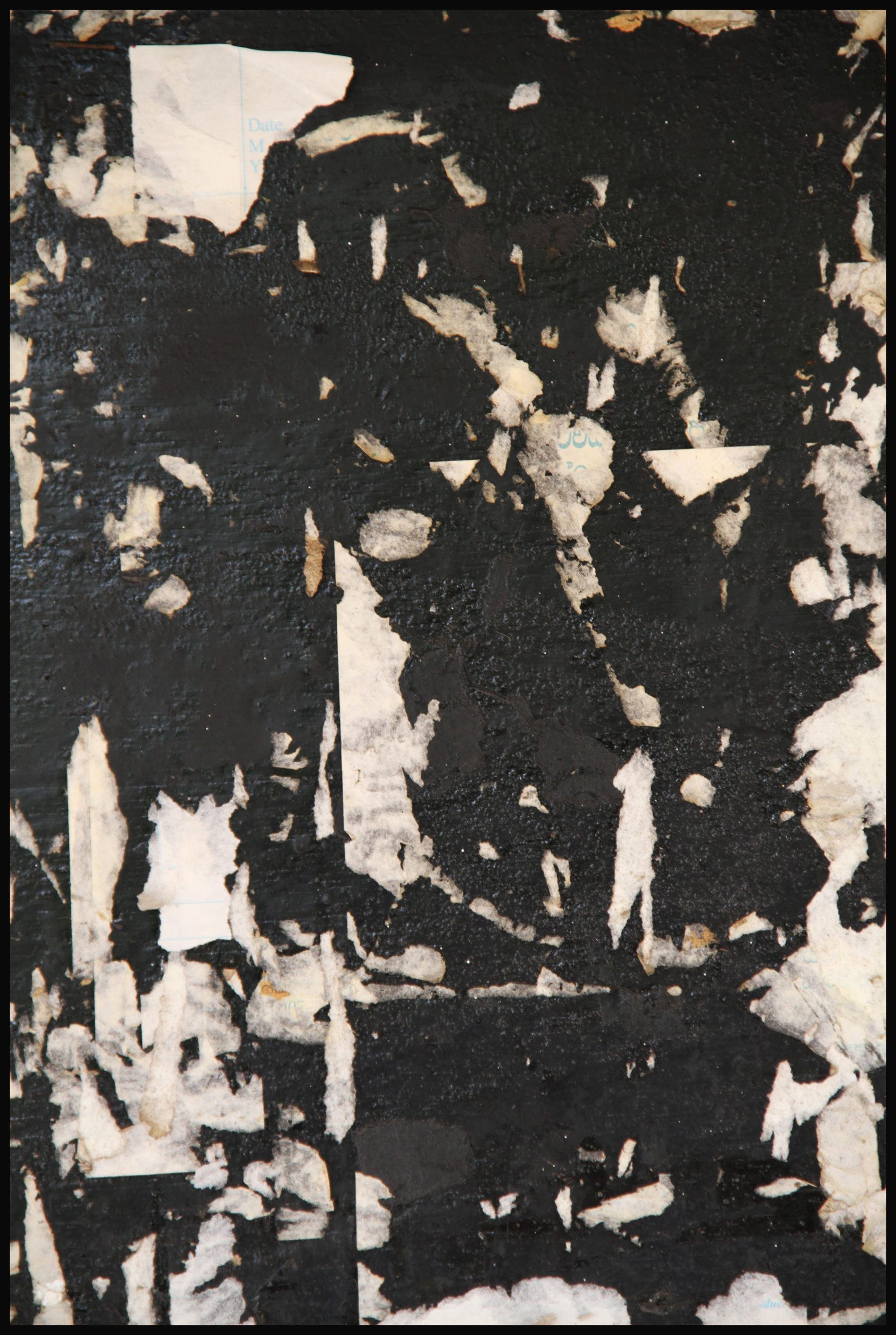 Sughra Raza. Temple Wall Philosophy. Galle, Sri Lanka, 2010.
 Unlike her previous exhibit, James chose not to explicitly market
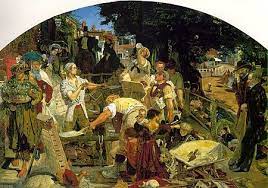 The view that everyone who is capable has a basic duty to work and not be idle is the main tenet of what we call the work ethic. Closely related to this are two other ideas: