by Akim Reinhardt
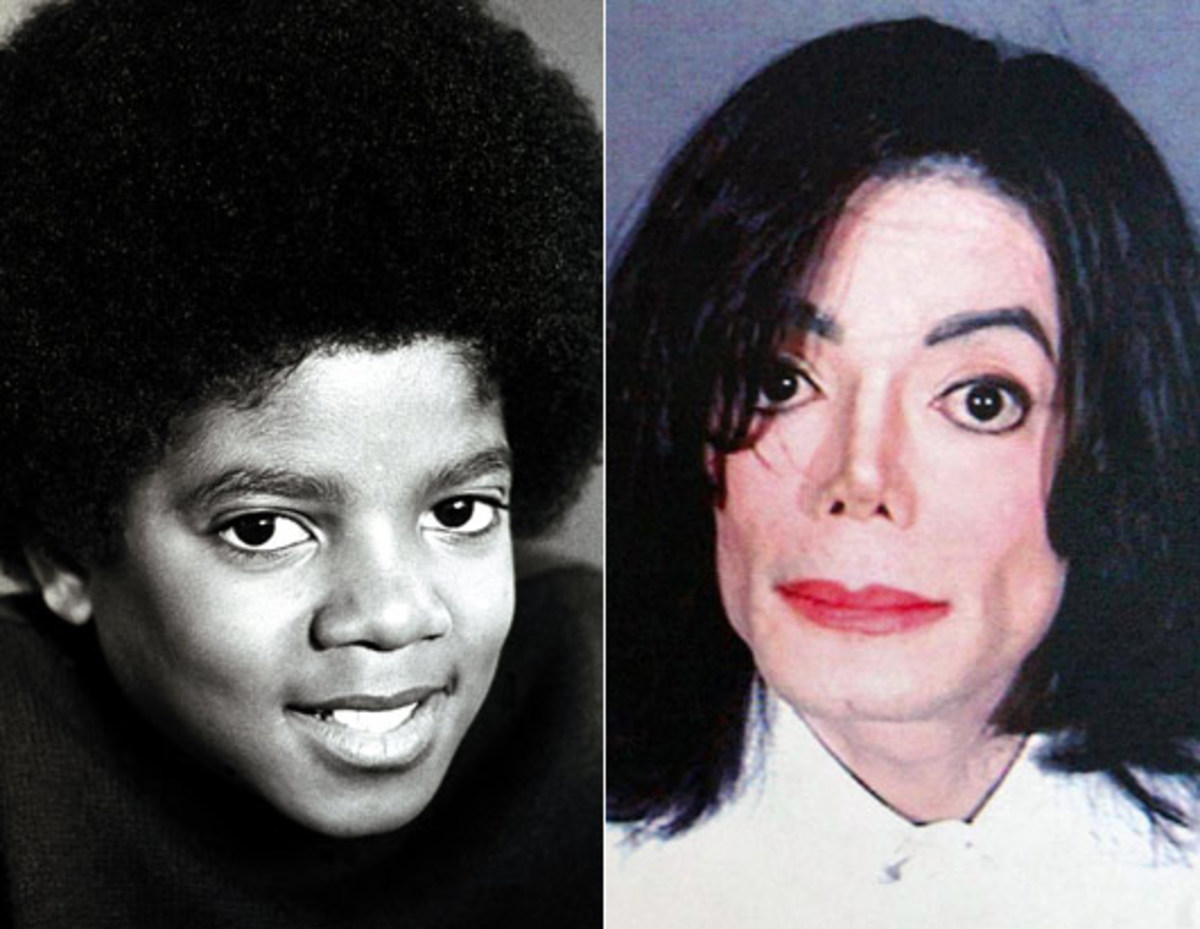 Over the course of more than a decade, Michael Jackson transformed from a handsome young man with typical African American features into a ghostly apparition of a human being. Some of the changes were casual and common, such as straightening his hair. Others were the product of sophisticated surgical and medical procedures; his skin became several shades paler, and his face underwent major reconstruction.
As stark as the changes were, perhaps even more jarring were Jackson’s public denials. His transformation was so severe and empirical that it was as plain as, well, the nose on his face. Yet he insisted on playing out some modern-day telling of “The Emperor’s New Clothes,” either minimizing or steadfastly denying all of it. In order to explain away the changes or claim that they had never even happened, Jackson repeatedly offered up alternate versions of reality that ranged from the plausible-but-highly-unlikely to the utterly ludicrous. He blamed the skin bleaching on treatments for vitiligo, a rare skin disorder. He denied altogether the radical changes to his facial structure, claiming his cheek bones had always been that way because his family had “Indian blood.”
It was equal parts bizarre and sad. But in some ways, perhaps the most disturbing aspect of it all were those among Jackson’s loyal fans who swallowed his story whole. Despite the irrefutability of it all, they refuted it. They parroted his narratives in lockstep, repeating his claims and avidly defending the King of Pop from any questions to the contrary.
Today we face a similar situation. But it’s not about a pop star’s face lift. Ludicrous denials of reality and bizarre make believe counter-narratives are now are now central to discourses about politics and the politicized pandemic. Read more »



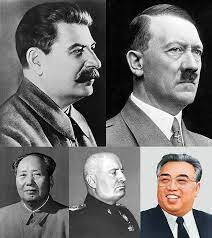 In this oft-reprinted quote from Hannah Arendt’s seminal work The Origins of Totalitarianism, many 21st century readers, particularly those engaged in pro-democracy movements in the United States and abroad, see Donald Trump and the emergent totalitarian formation of Trumpism sewn piecemeal onto the template that she constructed whole cloth from Hitler and Stalin’s political regimes. Although Trump hasn’t yet matched the political power, penchant for violence, or historical significance of Hitler or Stalin, he has made clear his disdain for democracy and exhibits a desire and willingness to use his power and violence to undo its institutional structures. For readers who are encouraged by the emergence of Trumpism and excited by its promise to make America great again, which includes inciting nationalistic pride, putting America’s interests first ahead of global concerns, policing public school curriculum for progressive ideological biases, packing the courts with sympathetic ideologues, and using banal procedural rules to derail the spirit of democratic negotiation and compromise then her work may provide you a cautionary tale regarding the potential implications of delivering on those promises.
 My name is Sarah Firisen, and I’m 5ft 2 inches tall and work in software sales. But I’m also, or used to be, Bianca Zanetti, a 5ft 9 size 0 (which I’m also not), fashion designer and proprietor of a chain of stores, Fashion by B. No, I’m not bipolar. Bianca Zanetti is my Second Life avatar.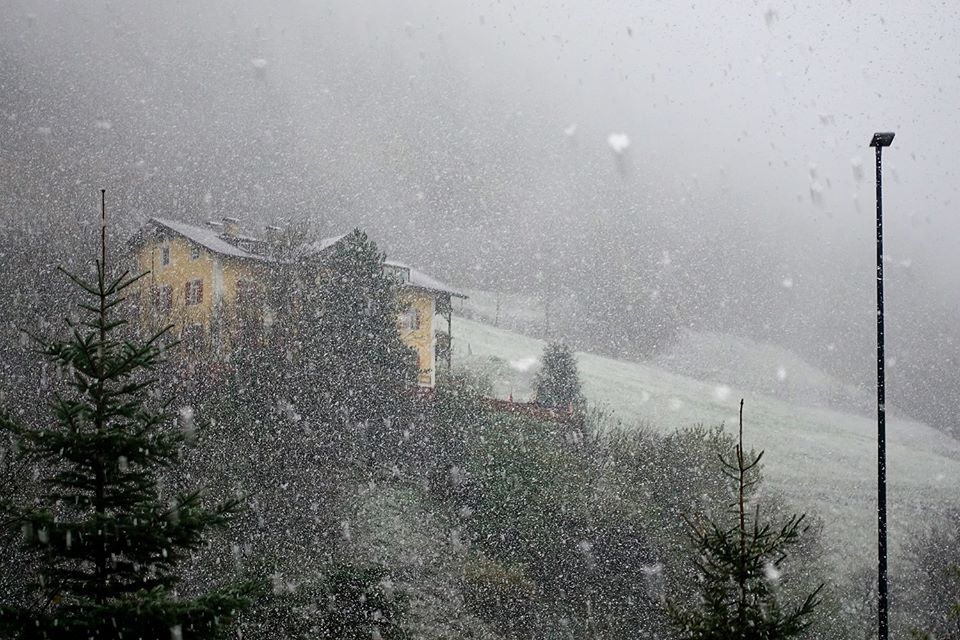


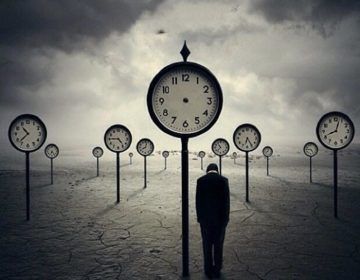 The Naxalite phase in Bengal was a short, tragic chapter in politics, but in Bengal’s cultural-emotional life its implications were deeper, and reflected in its literature (and films)—most poignantly yet forcefully captured by the writer Mahshweta Devi, one of Bengal’s most powerful political novelists. Again and again in the 20th century some of Bengali youth have been fascinated by the romanticism of revolutionary violence–as was the case in the early decades in the freedom struggle against the British (I have earlier mentioned about my maternal uncle caught in its vortex), then again in the 1940’s when the sharecroppers’ movement (called tebhaga) was soon followed by a period of communist insurgency in 1948-50, and then in the Naxalite movement of the late 60’s and early 70’s.


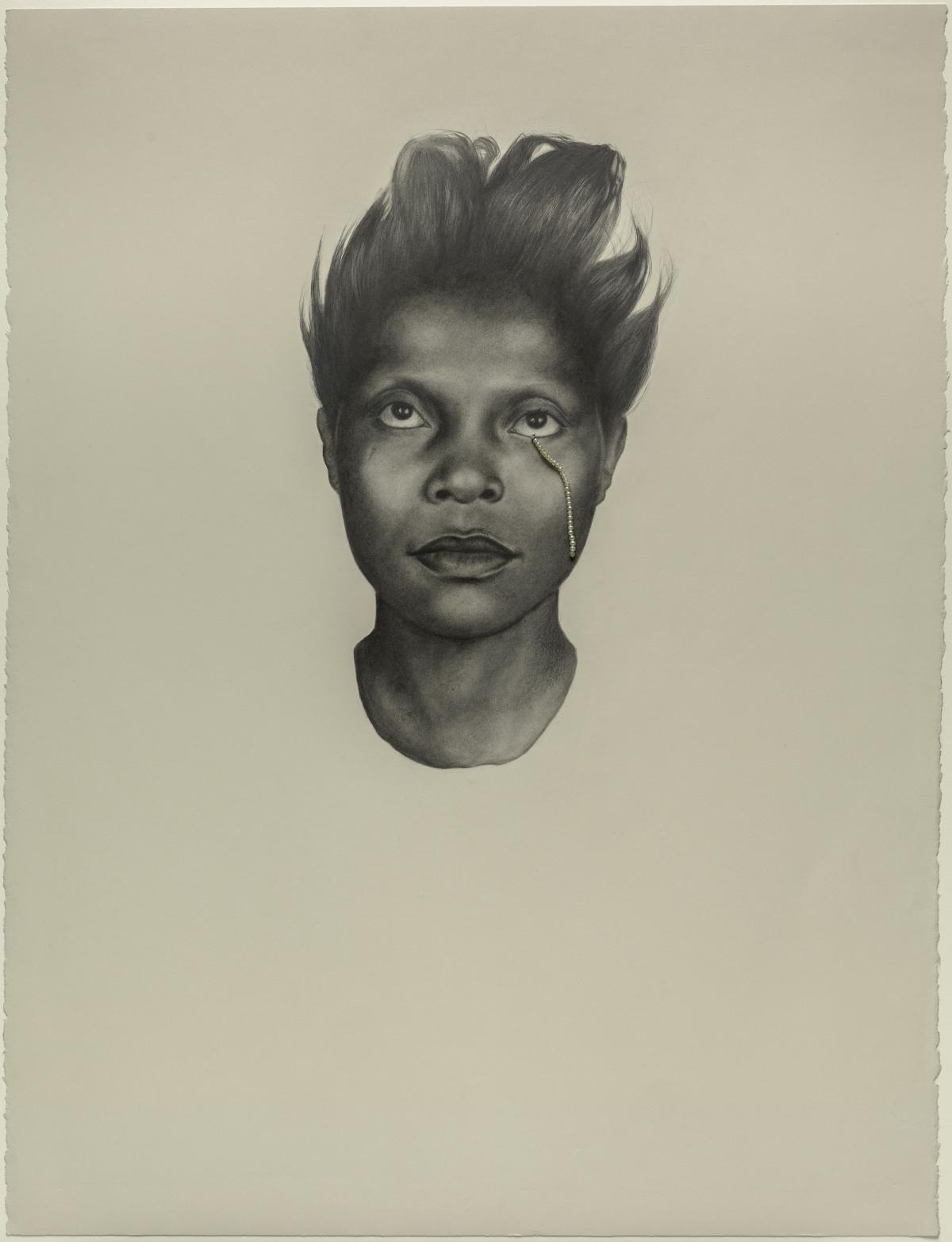 Whitfield Lovell. Kin XLV (Das Lied von der Erde), 2011.
 Not long ago, having steeled myself for the read-through of yet another dry but informative assessment of the body’s immune response to Covid 19 and her variant offspring, I was pleasantly surprised to find myself being dragged into a barbaric tale of murder and mayhem, full of gory details and dire strategies.
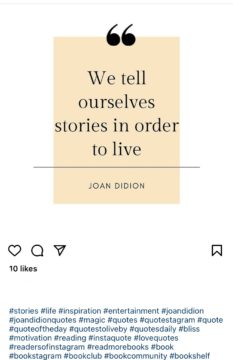 We tell ourselves stories in order to live.