
by Thomas O’Dwyer
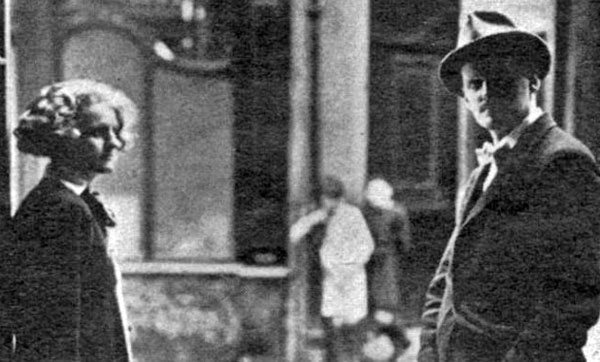
Has it been a hundred years? It seems longer! In Ireland, more Joycemania is upon them. On February 02, 1922, the Paris bookshop Shakespeare & Company published Ulysses by James Joyce, a novel that potential publishers had already rejected with vague mutterings about bargepoles and other icons of untouchability. It was not a bookshop business that accepted the risk, but its young owner Sylvia Beach, a literary mother-hen clucking with affection around many impoverished and not yet famous expatriate writers. A hundred years on, Ulysses still sits on many bookshelves alongside 1984, A Brief History of Time, and In Search of Lost Time, in that category of books that everyone claims to have read but usually hasn’t. (That doesn’t include Joyce’s Finnegans Wake, which nobody in their right mind admits to having read). But in truth, I have read Ulysses four times and have given a few public talks on the novel and the 1967 Joseph Strick film that attempted the impossible by bringing it to a broader – or slightly less narrow – audience. My first reading was a classically 1960s cliché; not so much reading as dipping in and out of, along with two student friends.
We would sit on the floor of a one-room flat by the canal at Mount Street Bridge in Dublin, fuelled by flagons of cider that cost half an Irish pound. As only students can achieve, we managed to be both uncomprehending and pretentious. But since there was no one else around, we were just semi-literary trees falling unheard in the urban forest. Ulysses does that to young minds – or at least it did in those ancient times. The detractors of Ulysses were many. It was banned; it mocked the Church; it had raw sex, scatology and foul language. Of course, it was a work of literary genius, we all agreed, though we would have been hard-pressed to define what that was. Read more »
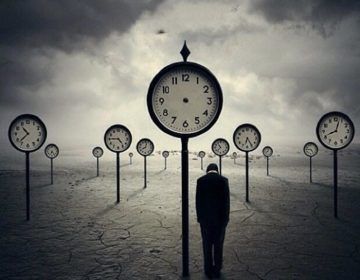 From the gatherings at Ashis Nandy’s home, and particularly from my numerous discussions with him I learned to think a bit more carefully about three major social concerns in India.
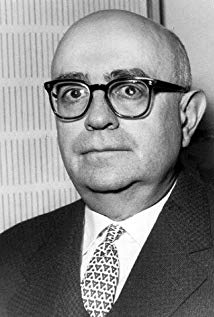 The philosopher Theodore Adorno, probably with activities such as reading serious literature and listening to classical music in mind, famously said about himself: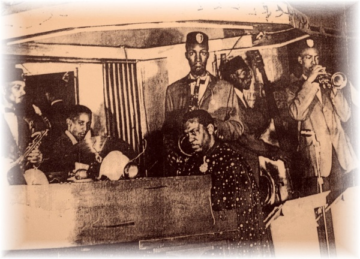

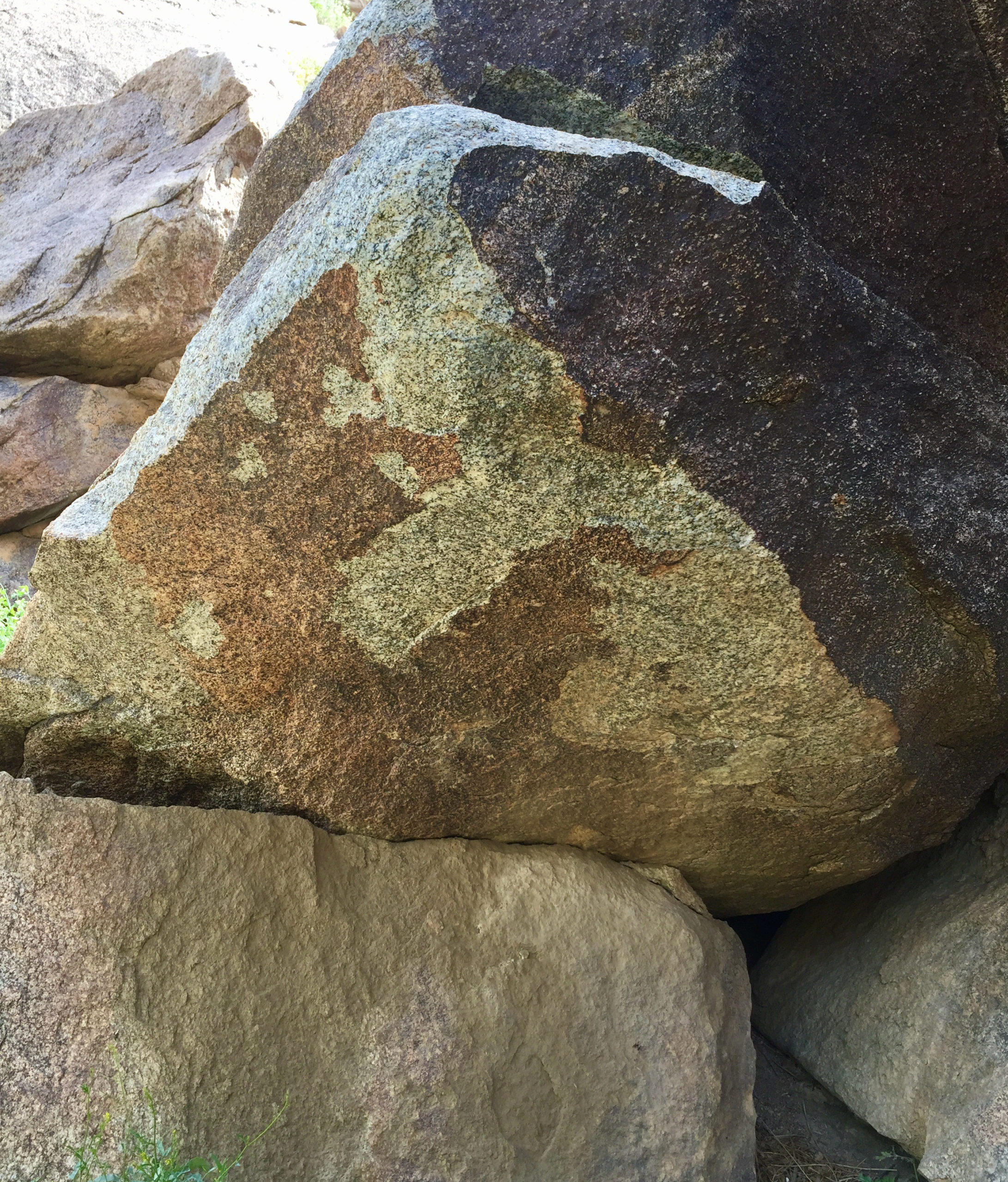 Sughra Raza. Bey Unvaan. Anza-Borrego Desert Park, Calfornia, 2017.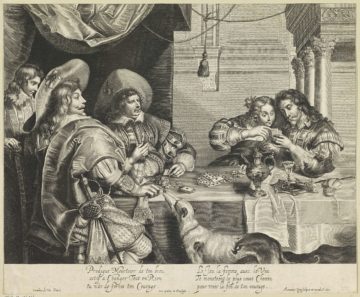
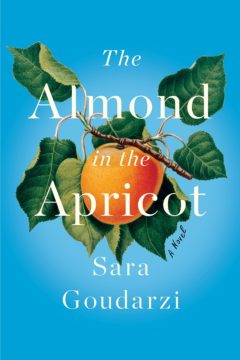 “Sewer designs… For me, it took about a year to exhaust my fascination with the underground maze of waste. That’s when I realized the single most important point to grasp about designing sewer lines is that the shit must flow downhill. That’s all one needs to know. Nothing else matters.” So muses Emma, a smart young sewer engineer and the protagonist of Sara Goudarzi’s debut novel The Almond in the Apricot. The book takes us through the convoluted maze of Emma’s own inner turmoil that begins to blur the boundaries between her physical world and her dreams.
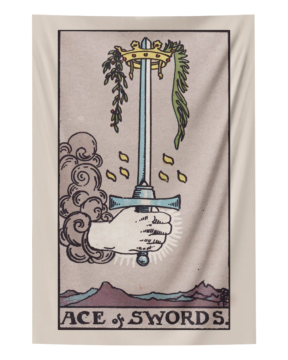 When I am not doing well in my own head, I turn to the tarot. While no substitute for therapy or psychiatry, the tarot has an ancient function that is symbiotic with these modern methods for coping with the wild unruliness of the mind. I know it sounds silly. But before there was psychology and medicine, there was magic, and that is not silly at all. People crave rituals and symbols; they crave narratives about themselves with which to play and to experiment. And the tarot is nothing if not an arcane form of play and experimentation with the idea of the self, packed with ritual and narrative and symbol. Magic, you see, is a very minor thing. It does not make great things happen, and, when it is practiced honestly and forthrightly, it does not claim to make great things happen. Instead, magic is meant to open up little moments, little apertures into self-understanding, that allow for the flourishing of subjects in an otherwise mean and obscure world. It is difficult to be a subject in the world; it is a task with no guidebook and with few obvious parameters. Little practices that seek after the integration of the self with the world, that seek to make distinct and clear not only who the self is but what the self means and is capable of accomplishing and being with the materials of the world at hand—these kinds of practices, which include both the tarot and psychotherapy (the latter being perhaps a practice of magic in our modern lives), make it
 What to eat? A seemingly simple question, but one that has become increasingly difficult to answer. And why is that? My initial hypothesis is that as modern society becomes more and more distanced from traditional and local cuisines, people have less guidance as to what to eat; this puts increased pressure on individuals to make a conscious choice, but with unclear and often conflicting information about how to make this choice. In other words, people used to just eat whatever their grandparents had eaten, and this worked relatively well. Now, with an overabundance of choice and ignorance of one’s own past, we are lost, wandering through the supermarket aisles like a traveler lost in the woods. Thus, we see diets, meal plans, food delivery apps, and a myriad of other things jump in to fill the void that has been abdicated by family and community. But this story is perhaps so obvious that it does not need retelling. It is, after all, the story of the modern, global world. Nevertheless, it’s useful to pause, look around, and ask ourselves, “How did we get here? What is this place?” Let me sketch a few examples of people attempting to answer our initial question, “What to eat?” to help illustrate our general predicament.
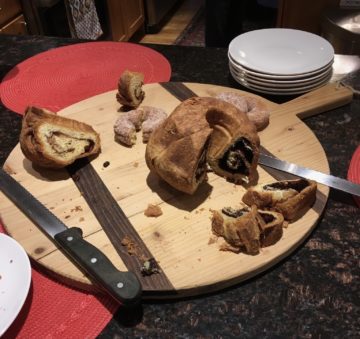 I come to praise bakeries past and present. And older men and women faithfully carrying out their duties to their grandchildren.