
by Pranab Bardhan
All of the articles in this series can be found here.
 Even though my ISI office was in the Planning Commission building in New Delhi I was living in an apartment complex far away in ‘Old’ Delhi, nearer Delhi University. The main attraction of staying there was the number of academic friends who lived in the same complex, apart from its being in a rather open, leafy, quieter part of the city (the hilly walkway at the back—called ‘the ridge’– was full of parrots and monkeys). My MIT friend, Mrinal, who stayed there arranged with the landlord for our accommodation.
Mrinal was then a popular teacher at Delhi School of Economics (DSE). His wife Eva was a feisty and resourceful Italian woman, coming from a political family—her father was an active anti-fascist, killed in Rome in 1944 by a Nazi ambush; her maternal uncle was the famous development economist Albert Hirschman (whom I admired and met a few times at Princeton). Eva coming for the first time to India quickly figured out the tricks of negotiating the daily complications of life in Delhi, and by the time we arrived she, a savvy foreigner, helped us settle in Delhi. It used to be quite a spectacle to see a sari-clad Eva haggling in street Hindi with the wily shopkeepers of Delhi and relishing it.
Hardly any day went without my long chats with Mrinal. We shared a great deal in our interests. His wacky sense of humor was combined with a serious thoughtfulness on many issues. On political issues in particular he was one of the wisest and shrewdest observers I have known. When Eva later left him and went with (and married) his best friend since their boyhood in Santiniketan, Amartya Sen, I saw a different side of Mrinal, that of pained dignity and graceful fortitude. Read more »
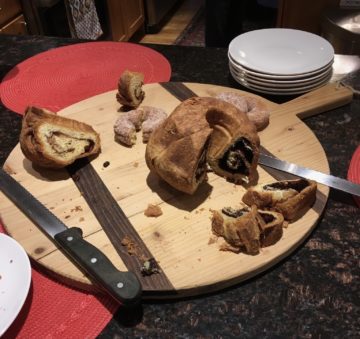 I come to praise bakeries past and present. And older men and women faithfully carrying out their duties to their grandchildren.
 Was it inevitable, this ongoing anthropogenic, global mass-extinction? Do mass destruction, carelessness, and hubris characterize the only way human societies know how to be in the world? It may seem true today but we know that it wasn’t always so. Early human societies in Africa—and many later ones around the world—lived without destroying their environments for long millennia. We tend to write off the vast period before modern humans left Africa as a time when “nothing much was happening” in the human story. But a great deal was actually happening: people explored, discovered, invented, and made decisions about how to live, what to eat, how to relate to each other; they observed and learned from the intricate and changing life around them. From this they fashioned sense and meaning, creative mythologies, art and humor, social institutions and traditions, tools and systems of knowledge. Yet it’s almost as though, if people aren’t busily depleting or destroying their local environments, we regard them as doing nothing.
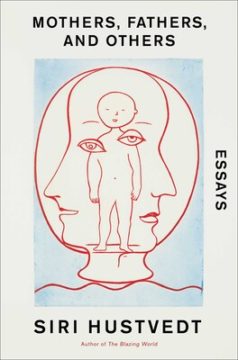 The theme of home—as a topic, question—is woven throughout Siri Hustvedt’s excellent new essay collection,
  Sughra Raza. Inside Out, Boston, 2021.
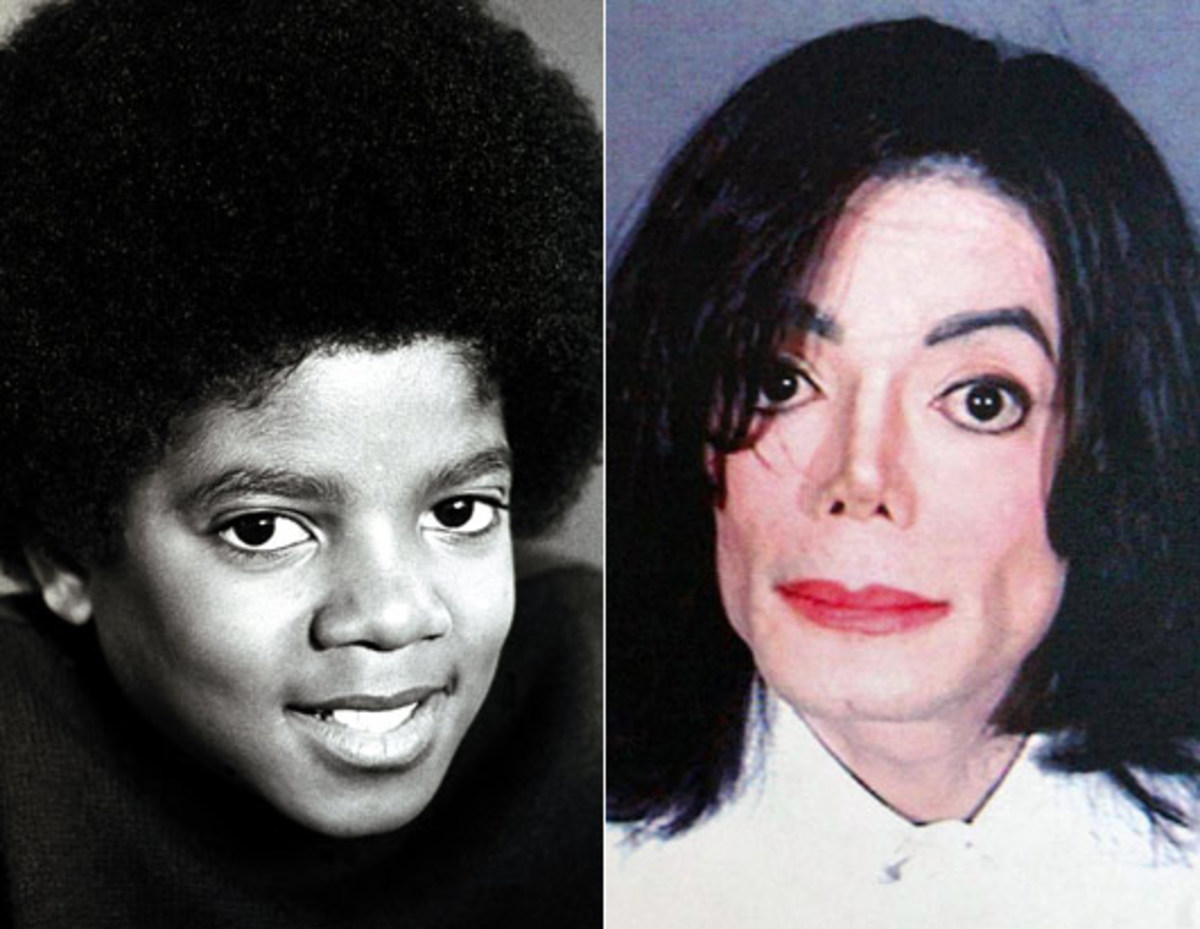 Over the course of more than a decade, Michael Jackson transformed from a handsome young man with typical African American features into a ghostly apparition of a human being. Some of the changes were casual and common, such as straightening his hair. Others were the product of sophisticated surgical and medical procedures; his skin became several shades paler, and his face underwent major reconstruction.


 In this oft-reprinted quote from Hannah Arendt’s seminal work The Origins of Totalitarianism, many 21st century readers, particularly those engaged in pro-democracy movements in the United States and abroad, see Donald Trump and the emergent totalitarian formation of Trumpism sewn piecemeal onto the template that she constructed whole cloth from Hitler and Stalin’s political regimes. Although Trump hasn’t yet matched the political power, penchant for violence, or historical significance of Hitler or Stalin, he has made clear his disdain for democracy and exhibits a desire and willingness to use his power and violence to undo its institutional structures. For readers who are encouraged by the emergence of Trumpism and excited by its promise to make America great again, which includes inciting nationalistic pride, putting America’s interests first ahead of global concerns, policing public school curriculum for progressive ideological biases, packing the courts with sympathetic ideologues, and using banal procedural rules to derail the spirit of democratic negotiation and compromise then her work may provide you a cautionary tale regarding the potential implications of delivering on those promises.
 My name is Sarah Firisen, and I’m 5ft 2 inches tall and work in software sales. But I’m also, or used to be, Bianca Zanetti, a 5ft 9 size 0 (which I’m also not), fashion designer and proprietor of a chain of stores, Fashion by B. No, I’m not bipolar. Bianca Zanetti is my Second Life avatar.





 Whitfield Lovell. Kin XLV (Das Lied von der Erde), 2011.