
by David M. Introcaso
 In late January the United States Senate Health, Education, Labor and Pensions (HELP) Committee released a draft discussion of its COVID-prompted public health bill titled, “Prepare for and Respond to Existing Viruses, Emerging New Threats, and Pandemics Act” (PREVENT Pandemics Act). Patty Murray, HELP Committee Chairwoman and Washington State senator, defined the bill as one that would “improve the nation’s preparedness for future public health emergencies.” We need to, Senator Murray stated further, “take every step we can to make sure we are never in this situation again.” The draft is fatally flawed because inexplicably the HELP Committee, the Senate “public health” committee, does not address much less recognize ever-increasing health harms caused by the climate crisis. As a result, the committee’s bill is what Orwell would term a “flagrant violation of reality.”
Preparing for “emerging new threats” appears unrelated to the Pacific Northwest’s recent 1,000-year heat wave, made 150 times more likely by Anthropocene warming, that killed 1,400 including Chairwoman Murray constituents, moreover seniors. In sum, last year produced 20, $1 billion climate-related disasters. Over the past five years these have cost Americans $750 billion. Last summer’s heat dome also killed Senate Finance Committee Chairman constituents. Unlike the HELP Committee, Senate Finance did hold, for the first time in nine years, a climate-crisis related hearing this session. However, Senator Wyden defined the climate crisis exclusively as a tax policy problem. In his opening statement, he argued, “Getting the policy right . . . is the whole ballgame.” If only. How does tax reform remedy the 58% of excess annual US deaths caused by fossil fuel emissions particularly when greenhouse gas emissions, moreover CO2, remain in the atmosphere for upwards of a thousand years. Read more »
 Soon K.N.Raj gave up his Vice-Chancellorship and moved to his home state, Kerala, and started a new institution, Center for Development Studies (CDS). He tried to lure me (and Kalpana) to join the faculty there, and even offered to get us land on which he’d persuade his friend Laurie Baker (a resident British-Quaker architect) to build us a low-cost, energy-efficient beautiful house (like his own). At CDS, he not merely provided intellectual leadership, he was the pater-familias for the group. After a whole day of teaching and seminars, in the evening he’d visit his colleagues’ homes, try to solve their multifarious domestic problems, while his wife, Sarsamma, will minister to their sundry medical needs. Once driving me to the airport, when I was all praise for the young institution and the community he was in the process of building, he asked me if I had any word of criticism. I told him it was too much of a “Hindu undivided family” for my taste. Raj corrected me and said it was not “Hindu” — he did not seem to mind the “undivided family” part.

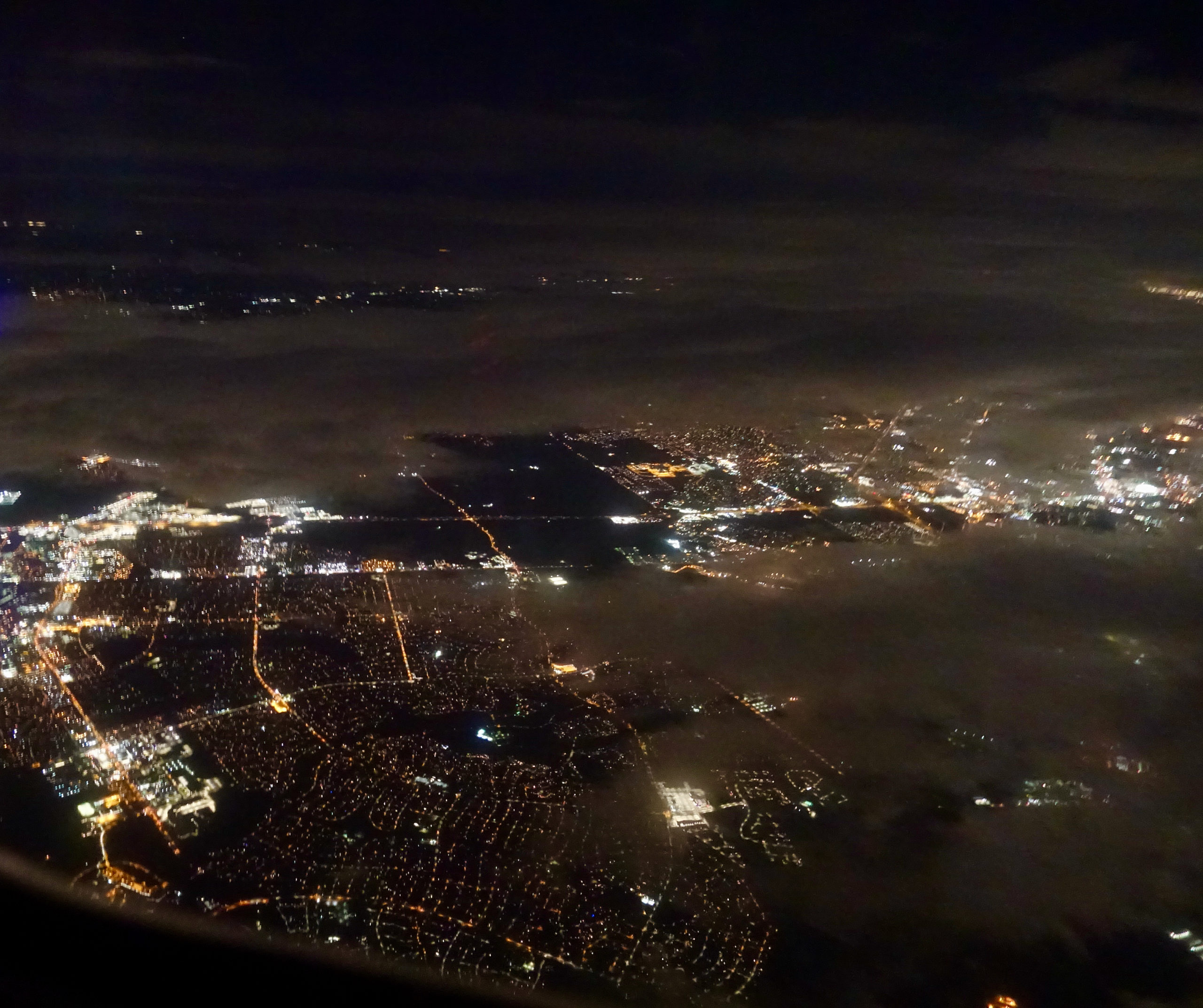 Sughra Raza. Kaamdani, Approaching Santiago, Chile, 2017.
 In the game of chess, there are dramatic moves such as when a knight puts the king in check while at the same time attacking the queen from the same square. Such a move is called a fork, and it’s always a delicious feeling to watch your opponent purse his lips and shake his head when you manage a good fork. The most dramatic move is obviously checkmate, when you capture the king, hide your delight, and put the pieces back in the box. But getting to either the fork or checkmate involves what’s known in chess as positioning, and for the masters, often involves quiet moves long in advance of the victory.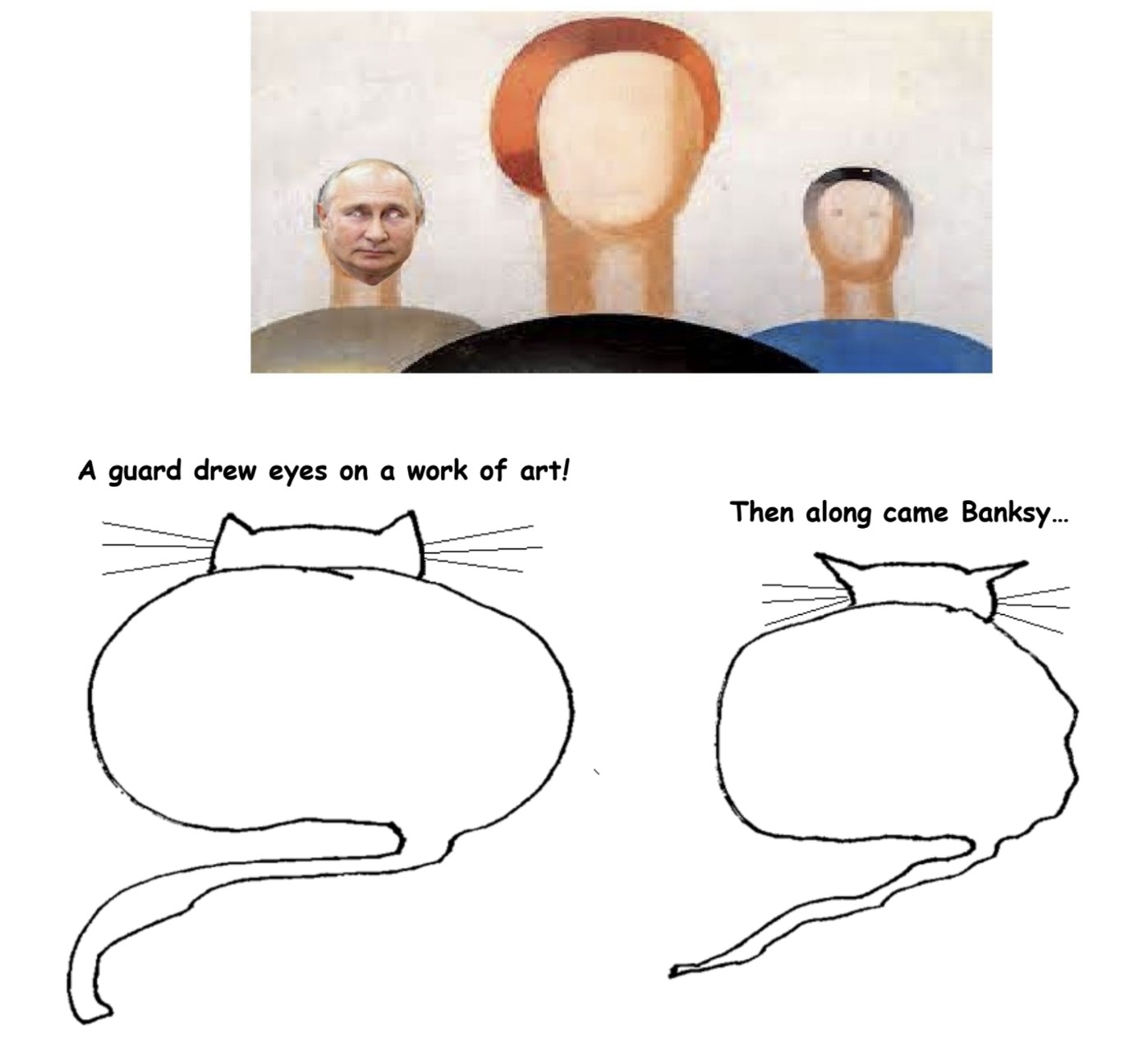
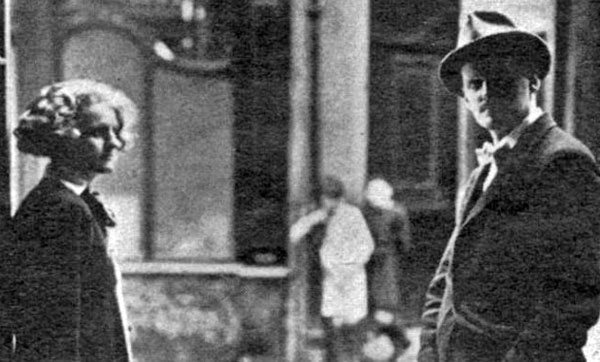


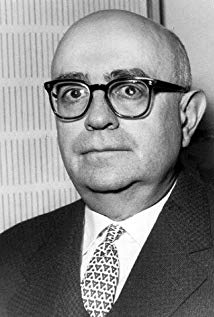 The philosopher Theodore Adorno, probably with activities such as reading serious literature and listening to classical music in mind, famously said about himself:

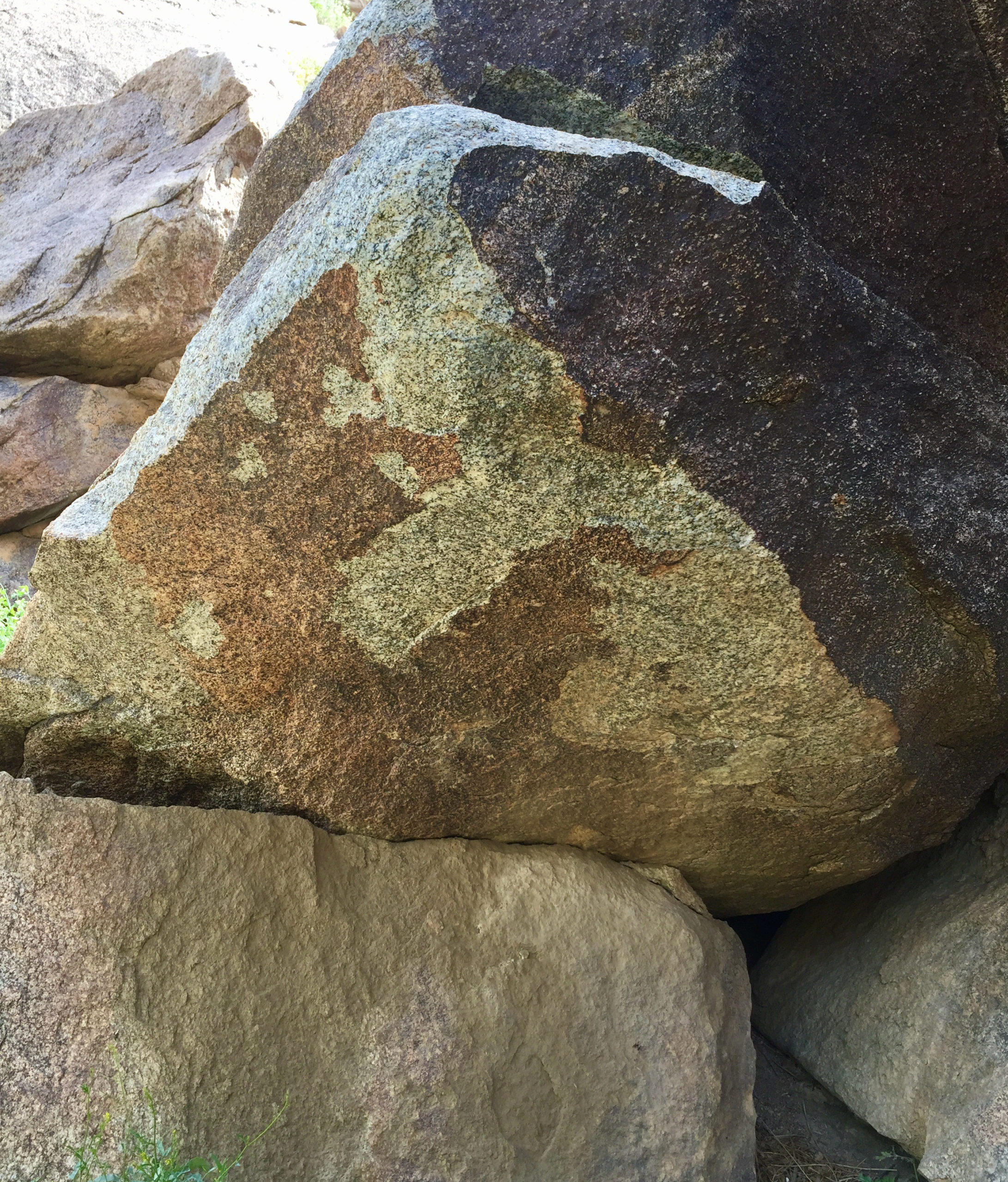 Sughra Raza. Bey Unvaan. Anza-Borrego Desert Park, Calfornia, 2017.