
by Thomas O’Dwyer

“God the Father. God the Son. God the Holy Ghost. How many gods is that? You, Quinn!”
“Three, Sir.”
“No, you heathen pup. There’s only one God. Come up here!”
In those bygone days of paganly sadistic Irish teachers, “come up here” meant that Quinn had fallen for what we called “the strap trap.” The teacher would deliberately choose a pupil who would fall for a trick question and then take pleasure in delivering three stinging whacks each to the unfortunate’s outstretched palms. Me, I blamed St. Patrick and his cute trick of raising a shamrock on high and telling the bemused heathens, “See, three leaves on one stem; that is the holy trinity of three persons in one true God.” His folksy logic had failed to travel down the millennia to penetrate Quinn’s admittedly thick 20th-century skull.
Thursday is St. Patrick’s Day. This is a day that for long divided those who were born and raised on Patrick’s green island from those who weren’t. Those who weren’t wore green hats, drank green beer beside green-dyed rivers and said things like “begorrah and the top of the morning to yourself” in foul American-Irish accents. They all had Irish grandmothers – the apparent outer limit of Celtic heritage. Once, during a three-month slice of my life in Orlando, Florida, I noted in a diary that 122 people had told me they had Irish grandmothers – that was an average of ten a week. It was embarrassing to be Irish in certain parts of America on St. Patrick’s Day. Read more »


 In both ISI and DSE there was one problem I faced in my research that was something I did not fully anticipate before. Some of the major international journals had a submission fee for research papers which was equivalent to something that would exhaust most of my Indian monthly salary. In the US authors mostly charged the fee to their research grants, which was not a way out for me. I once wrote about this to the Executive Committee of the American Economic Association (AEA), and suggested that for their journals they should have a lower rate for authors from low-income countries. I got a reply, saying that after careful consideration in their Committee meeting they had decided against my suggestion. Their rationale was a typical one for believers in perfect markets: since an article in an AEA journal was likely to raise significantly the expected lifetime earnings of an author, the latter should be able to finance it. (I visualized the dour face of an Indian public bank loan officer trying to comprehend this).
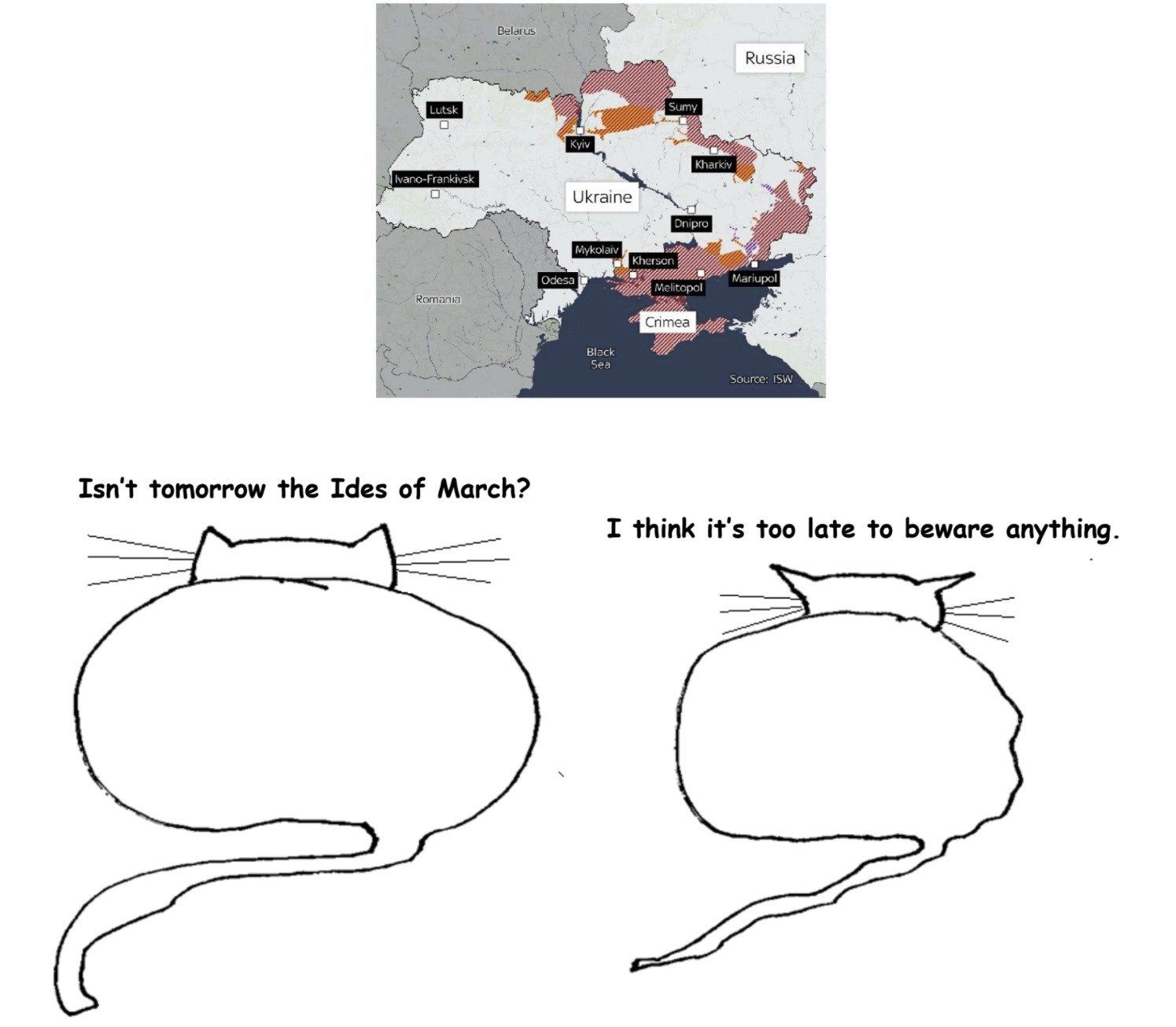
 Vladimir Putin’s decision to invade Ukraine is clearly a historically momentous event, already appearing to cause a seismic shift in the geopolitical landscape. What the long-term consequences will be are hard to say. The most obvious losers are the millions of Ukrainians–killed, injured, bereft, and displaced–who are the immediate victims of Putin’s onslaught. The most likely winner will probably be China, on whom Russia is suddenly much more economically dependent due to the sanctions imposed by the West, and who can therefore now expect Putin to dance to whatever tune it whistles.
 The Ouvroir de Littérature Potentielle (Workshop of Potential Literature), Oulipo for short, is the name of a group of primarily French writers, mathematicians, and academics that explores the use of mathematical and quasi-mathematical techniques in literature. Don’t let this description scare you. The results are often amusing, strange, and thought-provoking.
 Despite living here for nearly three years now, I have no social life to speak of. At risk of sounding self-loathing, a not insignificant part of the problem is probably just me: I’m not the most social person in the world. Plus, there’s the pandemic, which hit six months after we moved here. But I don’t think it’s just me, or even just the pandemic. An awful lot of people who moved here as adults, decades ago, and are much nicer and more sociable than I am, have said the same thing: making friends in Toronto is hard.
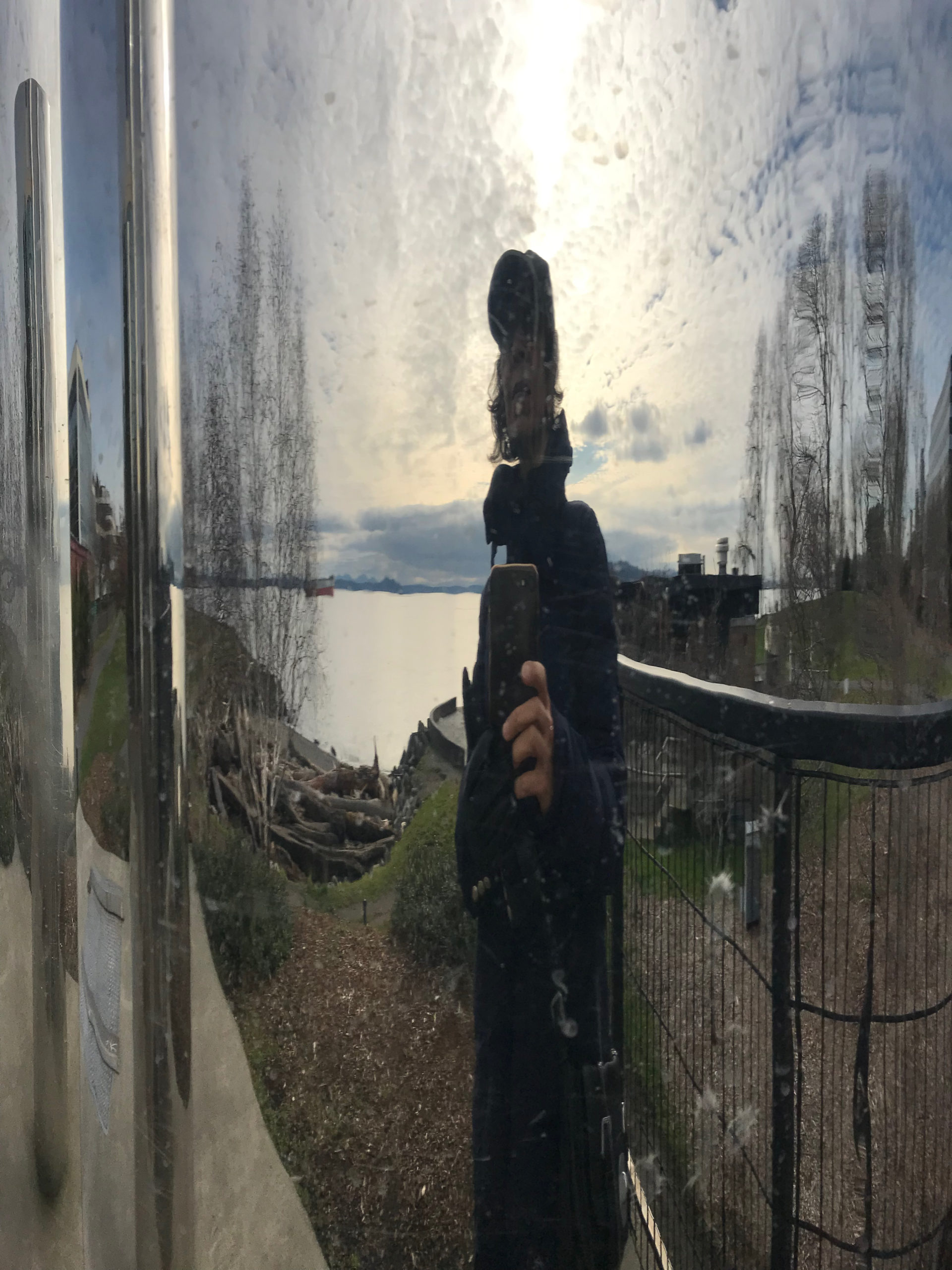 Sughra Raza. Self-portrait With Trees. Seattle, February, 2022.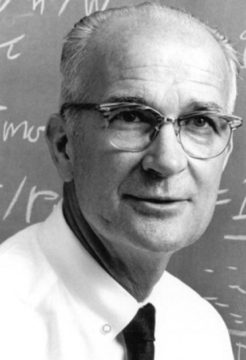
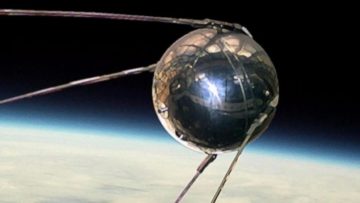 On 4 October 1957, in my mind’s eye, I was playing alone in the back yard when the radio in the breezeway broadcast a special news bulletin that changed my life. We had moved from Chicago to Minneapolis in 1951 and my parents had bought a recently built house on a dead-end street in a relatively cheap residential area out near the airport. The house was built in the modern suburban style that people called a ranch-style bungalow and its most interesting post-war feature was the breezeway, a screened-in patio attached to the house. The screens that kept flies and mosquitos at bay in warm weather were swapped for glass panels when the weather turned cold and we changed our window screens for storm widows.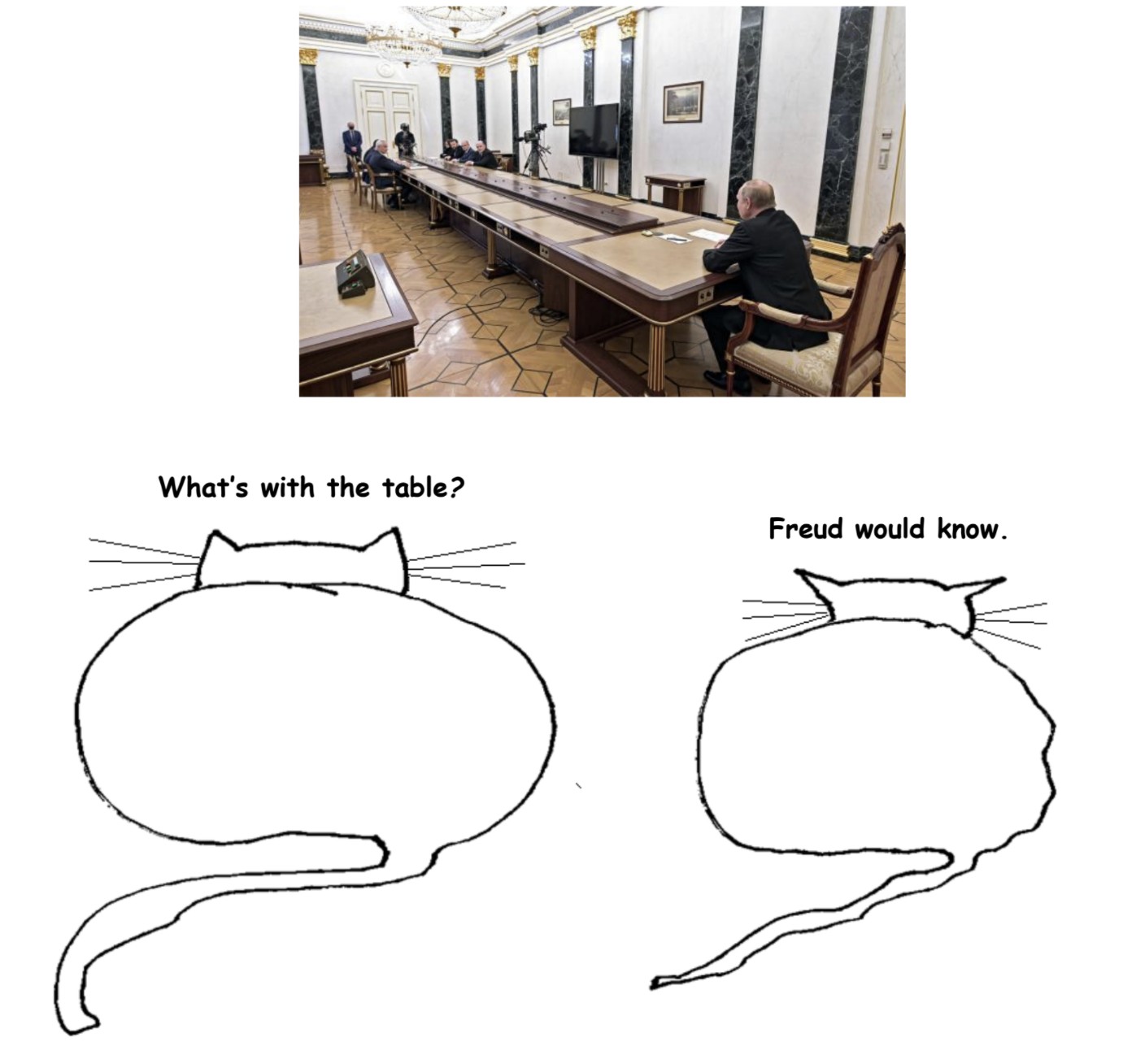
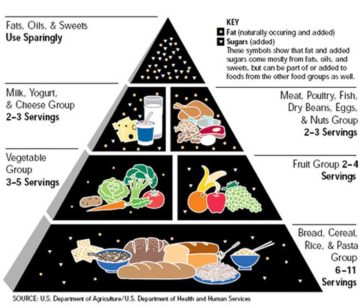 We have many choices when deciding what to eat. For most of human history, however, there has likely been little to no choice at all: people ate what was available to them or what their culture led them to eat. Now things are not so simple. As I mentioned in