
by Pranab Bardhan
All of the articles in this series can be found here.
 Since my Chair was in International Trade, most of my teaching in Berkeley was in that field of Economics, both at the graduate and undergraduate levels. The undergraduate classes in Berkeley are large, and mine had sometimes more than 200 students, even though this course was meant mostly for later-year undergraduates. Large classes bring you in close touch (particularly in office hours) with a refreshing diversity of young people. But they also bring other kinds of experience.
In large crowded classrooms the borderlines were always a bit fuzzy–sometimes nearby pedestrians will saunter in just out of curiosity, to hear a funny-looking man speaking in a funny accent; some others were from the aimlessly-loitering often mentally-disabled street people. One day as I was teaching, one woman belonging probably to the latter group seated in a backbench suddenly stood up, looked at the ceiling for a minute and then gave out a piercing wail. As I was pondering how to handle this, fortunately for me she slowly walked out of the auditorium. Read more »
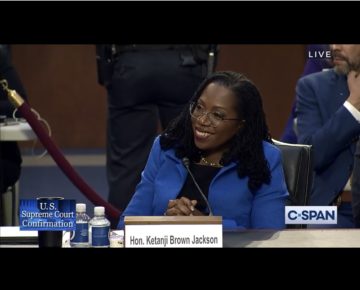 At least Ben was polite about it. The rest of Judge Jackson’s hearing was absolutely awful. If you watched or read or otherwise dared approach the seething caldron of toxicity created by the law firm of Cotton, Cruz, Graham & Hawley (no fee unless a Democrat is smeared) you’ve probably had more than enough, so I’ll try to be brief before getting to more substantive matters.
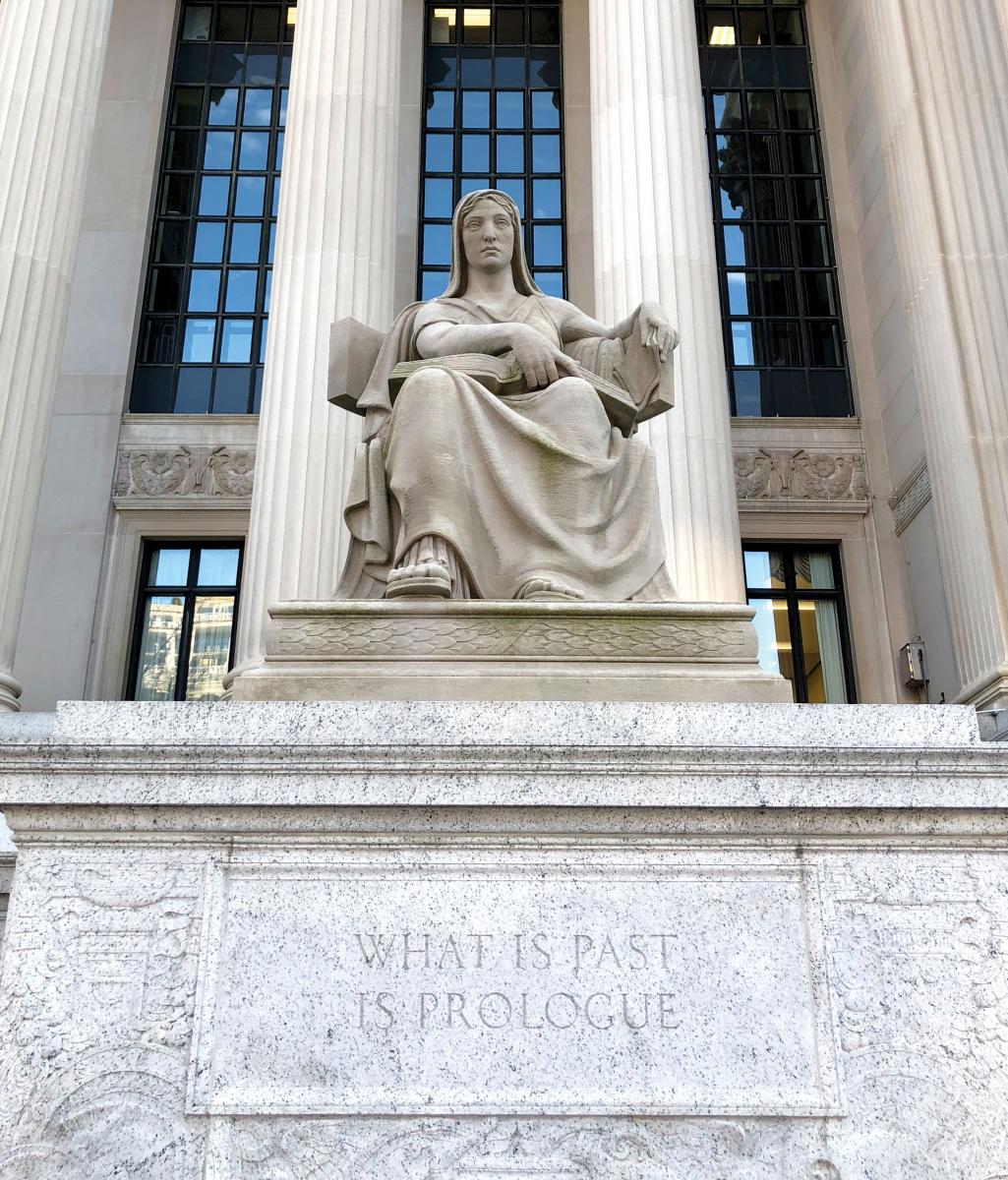 Is the Past Prolog? I’m not convinced. I say this as a professional historian.
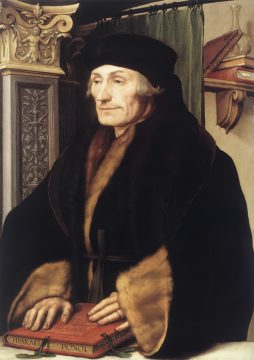 He had a visceral aversion to war, was strongly in favor of social distancing in times of pandemic, and believed it would be a good thing if the Germans turned down their heaters a notch or two.

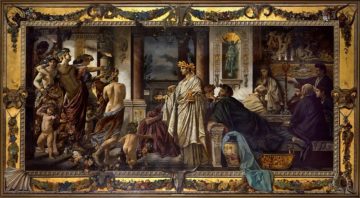
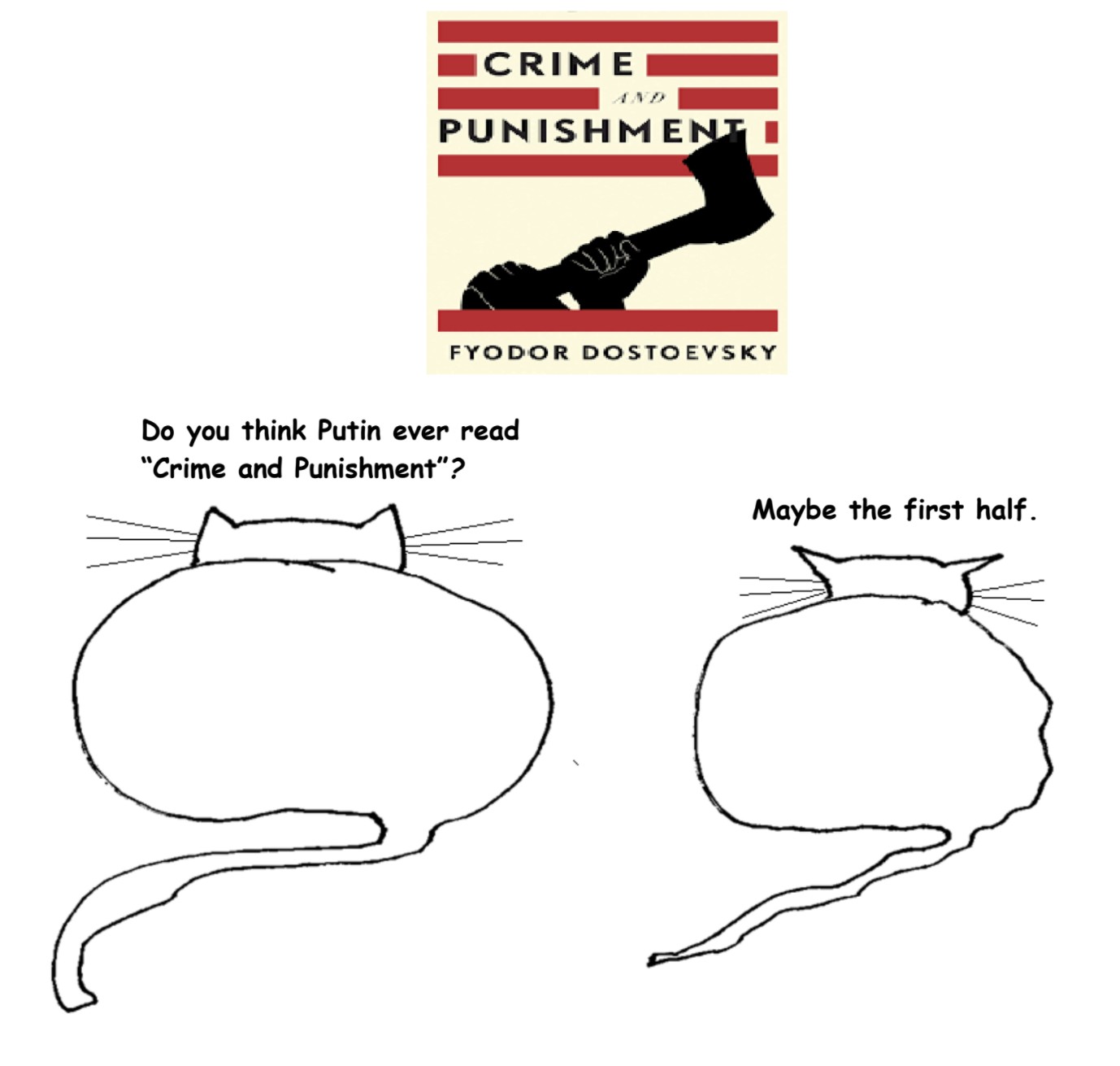
 Anticipating war in Europe, 2022.
 Over the last few weeks, I’ve been spending more time in the office than I have since the start of COVID. I work for a technology start-up, and our New York office used to look and feel just as shows like Silicon Valley portrayed such offices: cool furniture, fancy coffee machines, lots of free snacks, gaming systems and board games piled up in a dedicated room, and lots of young people who gave the office a fun, high energy, even if noisy, vibe. But this visit, while the snacks and coffee machines are still there, the office has a rather ghost town-like feel. There’s been no mandate to return to the office, so for the most part, people haven’t. Every day I saw my colleague Andy who lives in a Manhattan apartment that’s too crowded with family and a dog. He escapes to the office for some peace of quiet. Then there was the receptionist and the facilities manager, who had no choice but to be there. But that was it for regulars. The odd person would float in for a bit, have a meeting, then leave. Is this the future of office life?

.jpg)
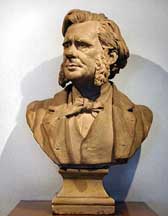 The President and the Provost have both been urging a whitewashing (if I can use this term) of the College’s history by such measures as removing Huxley’s name and bust from one of Imperial’s most prominent buildings. As I explained earlier, they attempted to accomplish this using a deeply flawed process. A History Group lacking in any higher level expertise in Huxley’s own areas of biology and palaeontology was set up, with the College archivist restricted to a consultative role, as was the Imperial faculty member best qualified to comment on historical matters. Two outside historians were consulted, but their areas of expertise did not really include Huxley.1 Adrian Desmond, Huxley’s biographer, was consulted but as I documented in my earlier article, his unambiguous vindication of Huxley was completely ignored. In October (revised version November), the
 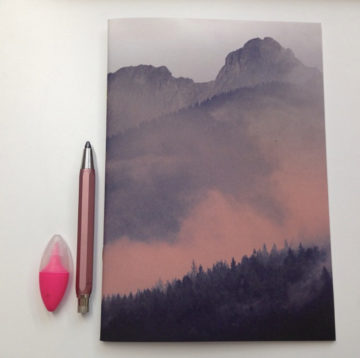 I am a modern-day scrapbooker. Which is to say that, like scrapbookers and notebook keepers across the ages, I am incessantly recording: things I have read, things I want to read, ideas I have come across or had, ways I want to be or to look, memorabilia from places I have been or want to go, inspiring or thought-provoking words, song lyrics, images, film clips, you name it. Like those who went before me, I record things in physical notebooks, but – and this is the new thing – my canvas is far larger than this original form. Digital photo albums, the iPhone ‘notes’ pad, emails to self,