by David Oates
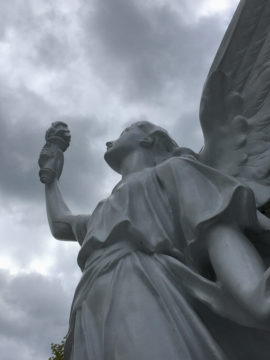
Full of good cheer – when does walking not perk me up? – on a too-cool March morning, past houses nicer than mine by several hundred grand with wide verandahs and Craftsman gables, and through a deep urban forest of elms, I make my way towards church.
Church!
Not exactly my normal behavior – not for lo these many decades since achieving my apostasy, my ex-Baptist-ness, and then at length making peace with it. I carried no axe to grind. Though I walked right past a low-slung building with a sign reading – no kidding! – “Chinese Baptist Church.”
I’ll return to that. But today my destination is yet more exotic, you could say, though just one more block away. “St. Sharbel Catholic Church, Maronite Rite” it proclaims itself. Whatever that might mean. My mission was to find out by attending the eleven-o’clock service.
This neighborhood, which I live right next to though not quite in – seems oddly attractive to churches. One of the oldest planned developments in the western US, called “Ladd’s Addition” after its 1891 developer, former mayor William S. Ladd, it forms a square just a half-mile on a side, yet is studded with temples and houses of worship, sanctuaries grand or cozy, surprising or predictable . . . so many varieties of religious belief, so many flavors and even hues. Even in ethnically-challenged Portland.
To what end? Serving what need or what god (or gods)? Who can say. Answer: Me. Or I can try, anyway. Read more »
 Andreu Mas-Collel, a mathematical economist from Catalonia, came to Berkeley before I did. He was a student activist in Barcelona, was expelled from his University for activism (those were the days of Franco’s Spain), and later finished his undergraduate degree in a different university, in north-west Spain. When I met him in Berkeley he was already a high-powered theorist using differential topology in general-equilibrium analysis, in ways that were far beyond my limited technical range in economic theory. But when we met, it was our shared interest in history, politics, and culture that immediately made us good friends, and his warm cheerful personality was an added attraction for me. (His wife, Esther, a mathematician from Chile, was as decent a person as she was politically alert).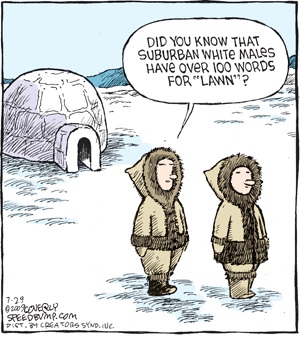

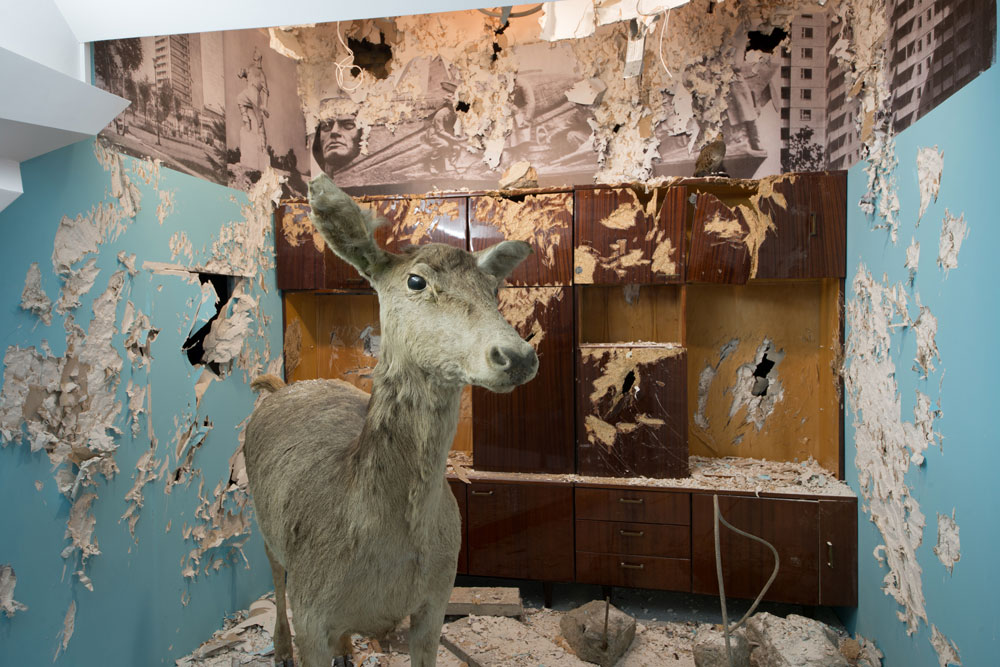 Nikita Kadan. Hold The Thought, Where The Story Was Interrupted, 2014.


 Beliefs about the essential goodness or badness of human beings have been at the heart of much political theory.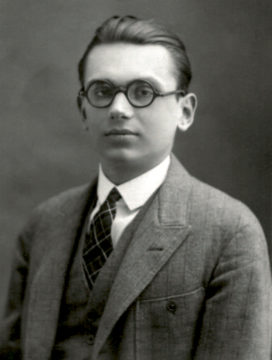
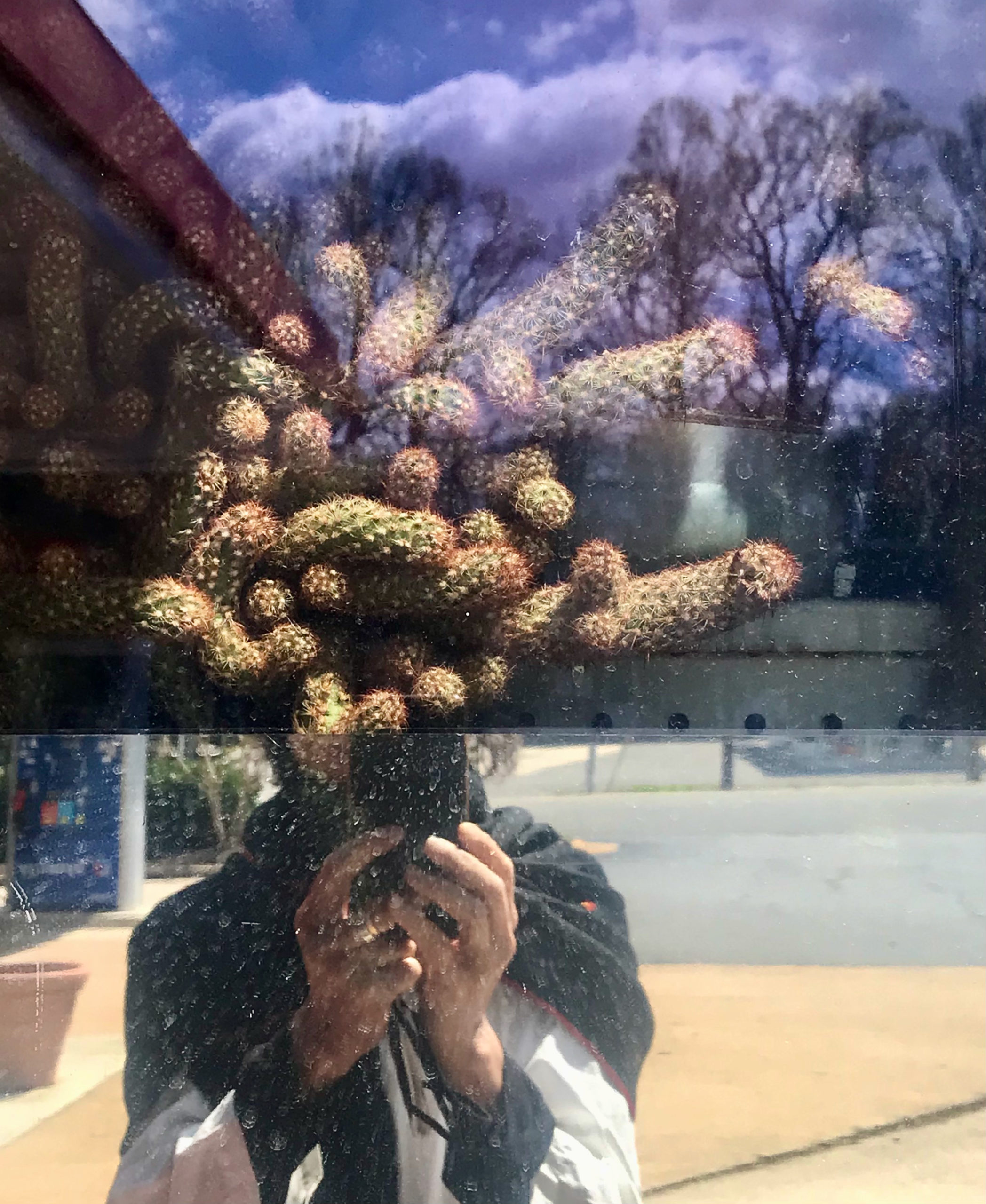 Sughra Raza. Self Portrait at Gas Station, April 3, 2022.
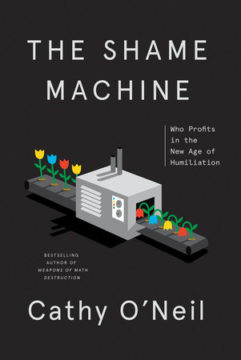
 And then I started trying to warn people about the dangers of algorithms when we trust them blindly. I wrote a book called Weapons of Math Destruction, and in doing so I interviewed a series of teachers and principals who were being tested by this new-fangled algorithm called the value-added model for teachers. And it was high stakes. They were being denied tenure or even fired based on low scores, but nobody could explain their scores. Or shall I say, when I asked them, “Did you ask for an explanation of the score you got?” They often said, “Well, I asked, but they told me it was math and I wouldn’t understand it.”