by Marie Snyder
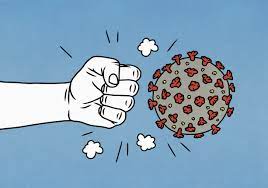 The anger that escalated at a recent Ottawa-Carlton school board meeting when a trustee proposed and lost a motion to mandate masks, in a setting that typically elicits polite discussion, makes it seem like this type of anger is new and shocking in its inappropriateness. But this video of the history of masks, and memories of what many of us lived through when we imposed smoking bans and seatbelts years ago, makes it clear that people have always been fired up by any new restriction. Masks may be even more enraging because they’ve also become symbolic of a danger and harm we’d like to forget.
But more than that, this type of anger that targeted the specific trustee with emails and phone calls, that included vile sexist and racist comments and threats, is more reminiscent of GamerGate, when a few women dared to criticize some games and were brutally harassed online and doxed, provoking at least one to move. This Vox article explains what needs to be done to prevent these occurrences:
It’s crucial to understand how, when, and why an online mob is expressing outrage before you decide how to respond to it. Gamergate should have taught businesses that online mobs can and do look for excuses to be outraged, as a pretext to harass and abuse their targets. There’s a difference between organic outrage that arises because an employee actually does something outrageous, and invented outrage that’s an excuse to harass someone. . . . 2014 should have been the year the cultural conversation began to acknowledge how serious aggression toward women really is. It wasn’t.
This understanding of the situation suggests that an outlet for anger is the point and that gaming was just a catalyst or merely the easiest avenue for the anger to seem remotely reasonable. It’s like when a hungry or tired toddler is upset with a random toy until that inner irritation is resolved. The grade school version finds a scapegoat to unload on and then they discover the glee of having power over another. We need to resolve these inner irritations and the joy of domination before people become adults with a greater capacity to cause lasting harm. Read more »


 The word arrived from the furniture store. They have come! After five months of supply-chain suspended animation, our 15 feet of 72-inch-high bookcases are here. Bibliophiles everywhere (well, everywhere in my family) raised their voices in praise.



 There was a period in my life when I believed that all humans came from one man. This included his wife Eve. After that followed a period when I believed nothing and I thought that was enough.
 Does philosophy have anything to tell us about problems we face in everyday life? Many ancient philosophers thought so. To them, philosophy was not merely an academic discipline but a way of life that provided distinctive reasons and motivations for living well. Some contemporary philosophers have been inspired by these ancient sources giving new life to this question about philosophy’s practical import.
 Wendy Red Star. Winter – The Four Seasons Series, 2006.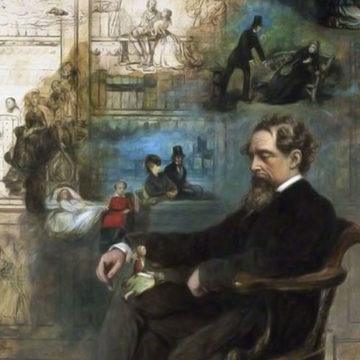

 Soon after the pandemic commenced its
  There was a time when Google replied with images of and information about a world-class jockey, an Englishman born the same year Mark Twain published
  This year marks the 42nd anniversary of the American release of The Hitchhikers’ Guide to the Galaxy. Douglas Adams’ “five-book trilogy,” of which Hitchhiker’s was the first installment, led readers through a melancholy universe in which bureaucracy is the ultimate source of evil and shallow, self-serving incompetents are the galaxy’s greatest villains. The best-selling series helped shape the worldview of Generation X, capturing the nihilistic cynicism of the Thatcher/Reagan 1980s.