
Sean Carroll at Preposterous Universe:
 Being rational necessarily involves engagement with probability. Given two possible courses of action, it can be rational to prefer the one that could possibly result in a worse outcome, if there’s also a substantial probability for an even better outcome. But one’s attitude toward risk — averse, tolerant, or even seeking — also matters. Do we work to avoid the worse possible outcome, even if there is potential for enormous reward? Nate Silver has long thought about probability and prediction, from sports to politics to professional poker. In his his new book On The Edge: The Art of Risking Everything, Silver examines a set of traits characterizing people who welcome risks.
More here.
Enjoying the content on 3QD? Help keep us going by donating now.
 Central to the Cold War between the United States and the Soviet Union was a rivalry to develop the technologies of the future. First came the race to deploy nuclear weapons on intercontinental missiles. Then came the space race. Then came US President Ronald Reagan’s “Star Wars” program, which seemed to launch a new race to build missile-defense systems. But it soon became clear that the Soviet economy had fallen decisively behind.
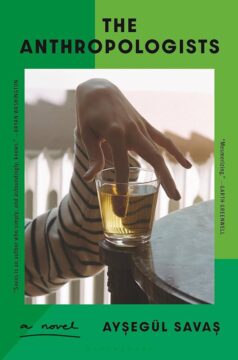 OVER THREE DAYS
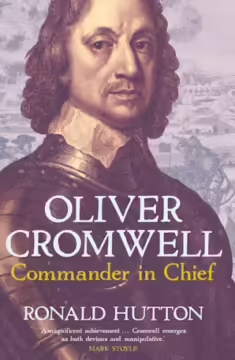 Ever since Thomas Carlyle first launched his Letters and Speeches of Oliver Cromwell on the world in 1845, the Lord Protector’s published words have exercised an almost mesmeric hold on posterity. Overnight, they transformed a figure who had hitherto been a byword for villainy – was he not the killer of King Charles I? – into a hero for the new Victorian age: a God-fearing, class-transcending champion of ‘russet-coated captains’ who became Britain’s first non-royal head of state. His words resonated with a newly politically ascendant and morally earnest middle class. And in Hamo Thornycroft’s vast sculpture installed outside Westminster Hall in 1899, the Carlylean transformation of Oliver begun by the Letters and Speeches found its embodiment in bronze.
 An age ‘clock’ based on some 200 proteins found in the blood can predict a person’s risk of developing 18 chronic illnesses, including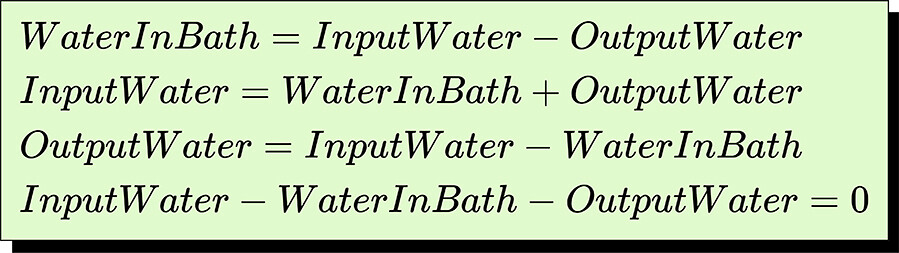
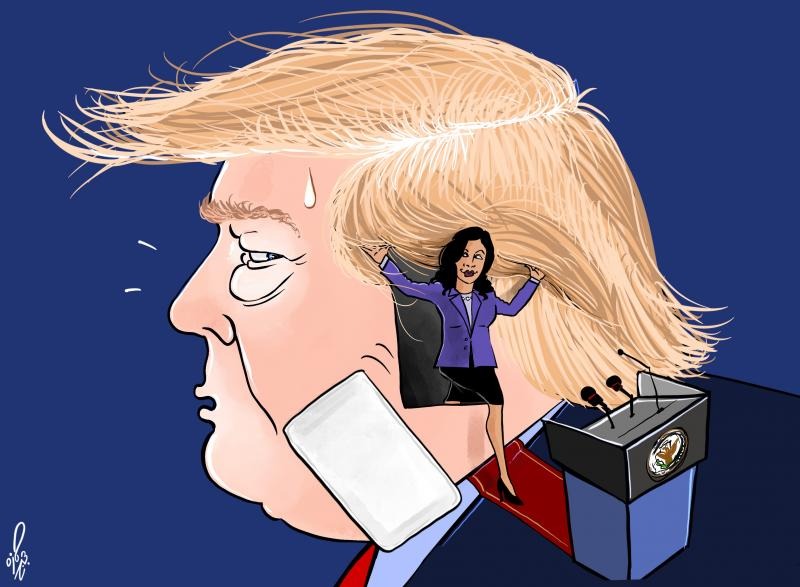
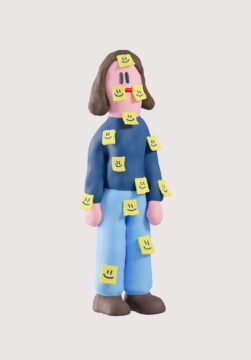 Three times a day my phone pings with a notification telling me that I have a new happiness survey to take. The survey, from
 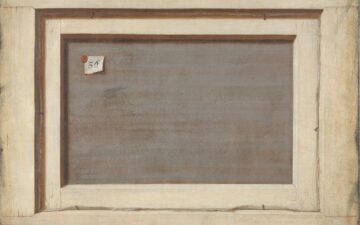 How could gaining knowledge amount to anything other than discovering what was already there? How could the truth of a statement or a theory be anything but its correspondence to facts that were fixed before we started investigating them?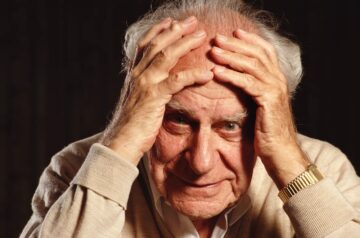
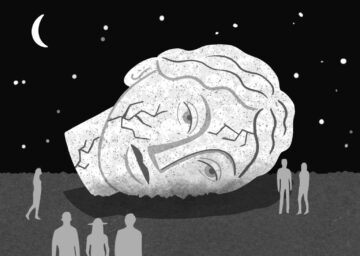 Writers are those naïfs among us who believe that language can be used to take the measure of experience. Readers demonstrate faith in them when they commit to a book or short story. The reader-writer relationship is a contract of sorts. But because the terms are not written down, there is much room in that contract for misinterpretation. What is at stake is not small: it is a shared picture of reality. Nor is it static. With each new publication or rereading, the reader-writer contract is up for review. What could go wrong?