
Aparna Nathan in The Scientist:
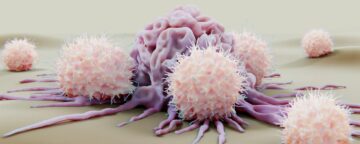 When a rogue cell starts proliferating out of control, the first responders on the scene should be the body’s own immune cells—for example, natural killer (NK) cells, which use toxic molecules to dissolve foreign cells. Ideally, proteins that are specific to cancer cells would trigger the immune cells to destroy the cancer cells, and a growing category of new NK cell therapies harness these cellular assassins to fight cancer.
However, cancers have evolved creative strategies to evade these cellular sentinels. One way they do this is by turning cells that are typically cancer assassins into docile bystanders. For example, a 2017 study showed that tumors can avoid being killed by triggering the release of transforming growth factor beta (TGFb), a molecule that can turn NK cells into intermediate type 1 innate lymphoid cells (intILC1).1 This immune cell type is much less effective against tumors, which can undermine immunotherapy efforts.
“Tumors have developed these fantastic environments to survive,” said Sebastian Scheer, an immunologist at the Luxembourg Institute of Health and coauthor of the study. But that environment is not the only way for NK cells to transform into intILC1. In a new study in Cell Reports, a team at Monash University led by Scheer found that the molecule disruptor of telomeric silencing 1-like histone lysine methyltransferase (DOT1L) plays an important role in maintaining NK cell functions.2 When DOT1L levels decline, the NK cells turn into benign intILC1 even in the absence of cancer-induced TGFb.
More here.
Enjoying the content on 3QD? Help keep us going by donating now.
 I do not think that being mean is a virtue, but it is related to the virtue by means of which we tell the truth. There are other ways of telling the truth. We can be circumspect or ironic—there is very often a nicer way to put something. Yet there are good reasons for sometimes being just a little bit mean. (No, I am not thinking about that gratuitously nasty and rebarbative character now dominating our public realm.) I think of being mean the way that the King of Brobdingnag in Gulliver’s Travels talks about dangerous views: “For a man may be allowed to keep poisons in his closet, but not to vend them about for cordials.” That is to say, I think being nice is required for good politics, but being mean has definite social utility in private life—and it should stay there.
 Robotic vehicles can
  One of the core assumptions of modern liberalism is that if you can solve the problem of material scarcity, you can go a long way to solving the problem of free and peaceful coexistence among equals. Modern technology has been essential to that dynamic from the start, a key driver of “development” and the success of democratic regimes. The West, and large parts of the rest of the world, are what they are today in great measure due to this project.
 A newly developed blood test for
  If you hear the word Ozempic, weight loss immediately comes to mind. The drug—part of a family of treatments called GLP-1 agonists—took the medical world (and internet) by storm for helping people manage diabetes, lower the risk of heart disease, and rapidly lose weight. The drugs may also protect the brain against dementia. In a clinical trial including over 200 people with mild Alzheimer’s disease, a daily injection of a GLP-1 drug for one year slowed cognitive decline. When challenged with a battery of tests assessing memory, language skills, and decision-making, participants who took the drug remained sharper for longer than those who took a placebo—an injection that looked the same but wasn’t functional. The results are the latest from the
 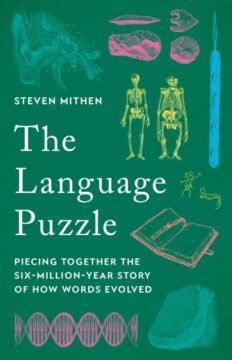 There’s no question that we love to talk — but how did it happen? Yes, humpback whales sing, vervet monkeys use alarm calls, and bees convey information about food sources through dance, but
  How many clinical-trial studies in medical journals are fake or fatally flawed? In October 2020, John Carlisle reported a startling estimate
 Last month, the House of Representatives
  Fact: The Windy City nickname has nothing to do with Chicago’s weather
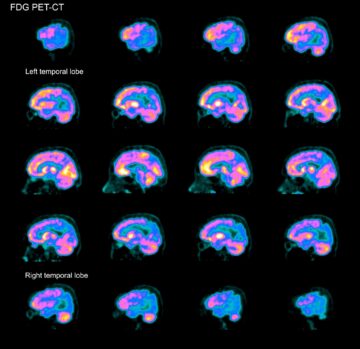
 Like many Alzheimer’s researchers, neurologist Randall Bateman is not prone to effusiveness, having endured disappointments in his field. But he and others have found one big reason to be excited lately. In just a few years, he predicts, there will be a simple blood test for your risk of Alzheimer’s. “Any family doctor will be able to do it.” Bateman, who is at Washington University in St. Louis, Missouri, has been running
 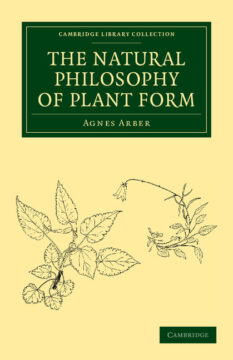 It was once common, in Western societies at least, to think of plants as the passive, inert background to animal life, or as mere animal fodder. Plants could be fascinating in their own right, of course, but they lacked much of what made animals and humans interesting, such as agency, intelligence, cognition, intention, consciousness, decision-making, self-identification, sociality and altruism. However, groundbreaking developments in the plant sciences since the end of the previous century have blown that view out of the water. We are just beginning to glimpse the extraordinary complexity and subtlety of plants’ relations with their environment, with each other and with other living beings. We owe these radical developments in our understanding of plants to one area of study in particular: the study of plant behaviour.
 Many entrepreneurs have tried to create prediction markets, contracts that trade on the outcome of future events. Luke Nosek, cofounder of PayPal, once
 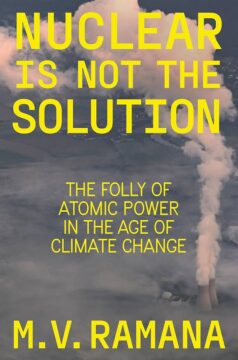 As someone trained in physics, and as an academic paid to research, I have been drawn to studying one essential contributor to these crises: how energy and electricity are produced, especially those methods proposed to mitigate climate change. Prominent among these proposals is nuclear energy.
 Running a finger over a row of books in a Delhi library one afternoon, I stopped at a title that promised danger. The stacks were abundant in books like RSS Misunderstood and Is RSS the Enemy?, which often turned out to be self-published polemics that were too long, however short they were. This one was different. On its front was the full title,