
by Mindy Clegg
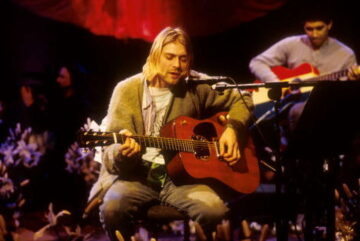
In retrospect, the year 1994 seems a momentous one. That year: the genocidal war in Bosnia continued. NAFTA began and Mexico saw the Zapatista uprising emerge in rebellion against it. The Rwandan Genocide began and ended. The Republic of Ireland recognized Sinn Fein. Nelson Mandela was elected president of South Africa. Nicole Simpson and Ron Goldman were found murdered, kicking off the “case of the century” as OJ Simpson (a popular retired football player and actor and estranged husband of Nicole) was accused of the murder and later acquitted. President Clinton signed an assault weapons ban. And Kurt Cobain committed suicide on April 5th, with his body not being found for three days.
Perhaps we can see that year as indicating the direction the post-Cold War era was headed. As the Iron Curtain parted and the Berlin Wall fell, hope was palpable, at least in the US and in Europe. We in the west might have heeded the message of the 1989 Tiananmen Square crackdown in China.
By the year 1994, it was clear something other than just the emergence of a more peaceful, unified and democratic world was manifesting. Contrary to Francis Fukuyama’s celebratory missive in 1989, history had not ended but was marching merrily along. Neoliberalism was ushered in by western powers and authoritarianism was soon to follow. Strikingly, it was the Democratic party (US) and the Labour party (UK) who did much of that ushering once in power, under the auspices of President Bill Clinton and Prime Minister Tony Blair. Their third way ideology continued the Reagan-Thatcher revolutions of deregulation and government disinvestment, setting the stage for the current right wing challenge to liberalism around the world. While the shifts seem obvious in the political realm, can we see the neoliberal shift in the cultural production, too? I argue we can, and that the rise of Nirvana and subsequent death of Kurt Cobain offers us a vector to explore just that cultural shift. Read more »



 There is a meme on the internet that you probably know, the one that goes, “Men will do x instead of going to therapy.” Here are some examples I’ve just found on Twitter: “Men will memorize every spot on earth instead of going to therapy,” “men would rather work 100 hours a week instead of going to therapy,” and “men would literally go to Mars instead of going to therapy.” The meme can also be used ironically to call into question the effectiveness of therapy (“Men will literally solve their problems instead of going to therapy”), but its main use is to mock men for their hobbies, which are seen as coping mechanisms taking the place of therapy (“men will literally join 10 improv teams instead of going to therapy”). The implicit assumption in this formula is that the best way for men to solve whatever existential problems they may have is to go to therapy. I don’t particularly like this meme, and I don’t think therapy is necessarily the best way for a man to solve his problems (although it may be in some cases), but what do I know? I’m setting myself up for this response: “men will write a 2,500-word essay about why you shouldn’t go to therapy instead of going to therapy.” Fair enough. I should specify that I don’t have an issue with therapy itself; instead, I have an issue with a phenomenon I find pervasive in contemporary American culture, which is the assumption that therapy is a sort of magic cure for any ills one may have.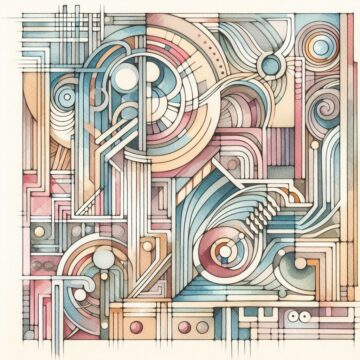
 Sughra Raza. Self Portrait After Dark, Butaro, Rwanda, November 2023.
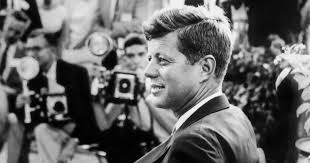
 Taiwan is an independent prosperous liberal democracy of 24 million free people that the Chinese Communist Party solemnly promises to annex to its empire by whatever means are necessary. Although Taiwan’s flourishing capitalist economy once allowed it to outgun and hence straightforwardly deter China from a military invasion, this military advantage has switched to China over the last 20 years. If Taiwan is to be kept free it must find another means to deter the CCP.


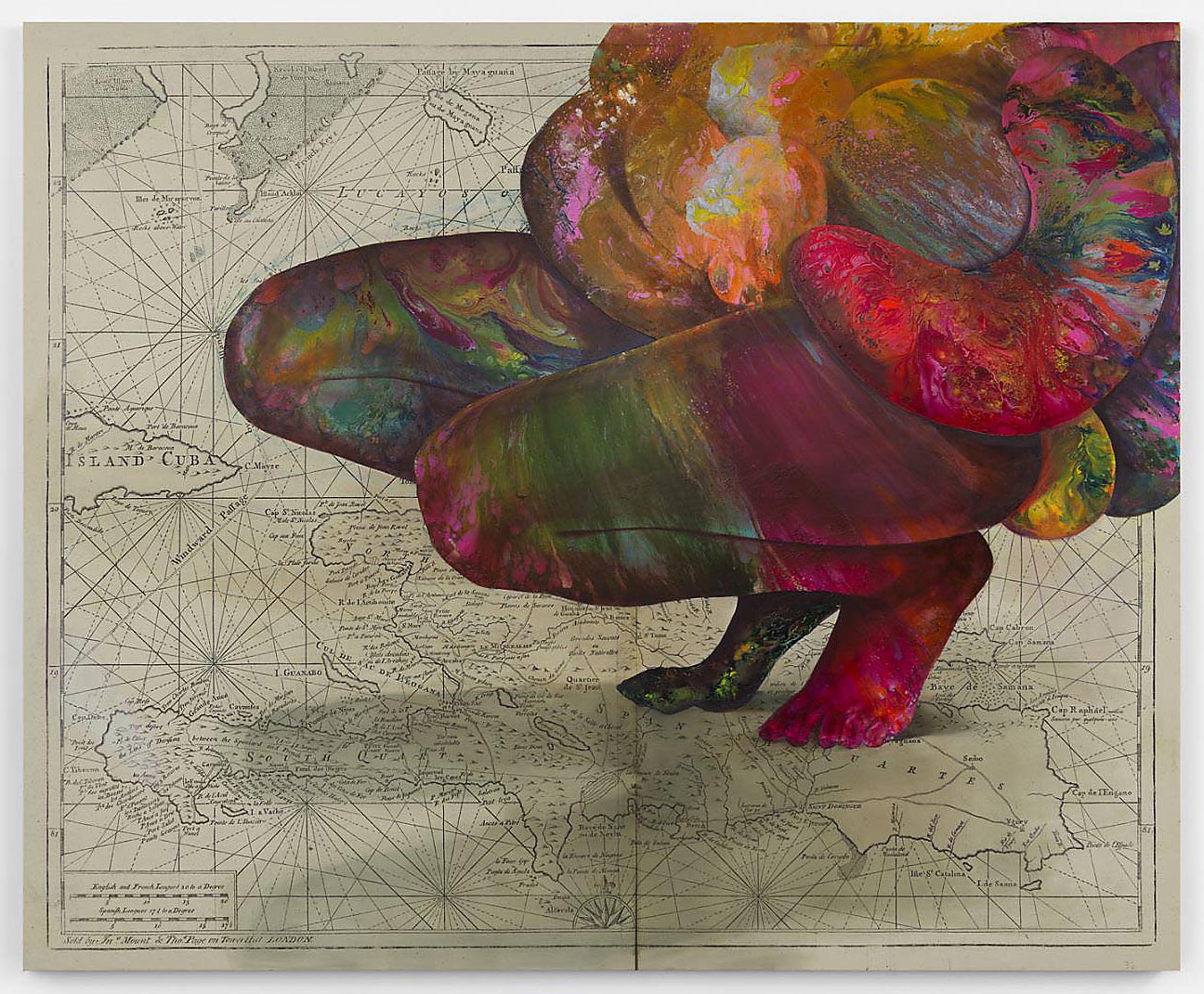 Firelei Baez. Untitled (A Corrected Chart of Hispaniola with the Windward Passage), 2020.
 by Leanne Ogasawara