by John Allen Paulos
 With apologies to Charles Dickens, it will be the best of times, it will be the worst of times.
In his recent book, Deep Utopia: Life and Meaning in a Solved World, philosopher Nick Bostrom, the author of Superintelligence, speculates about human and trans-human lives after AI has developed to a kind of fearsome maturity at some indeterminate point in the future. What do our descendants do when AI can do virtually everything faster, more efficiently, better than they can? What, if anything, will be worth doing is the question underlying much of the book. Will we be become terminally jaded without purpose or will be become, as Bostrom puts it, mere hedonistic “pleasure blobs”?
The book provides a bountiful wealth of details, speculations, and extrapolations on boredom, interestingness, repetitiveness, and activities that might replace and make up for our loss of functional work and meaningful vocations. He mentions activities such as amateur art, music, personal reveries, social interactions, gardening, and the like.
The closest contemporary version of our distant descendants might be very wealthy young retirees or entitled trust fund kids. Still, the latter are not at all the purposeless self-indulgent, bored, unproductive, nihilistic descendants he first sketches. Gradually Bostrom attempts to complexify and significantly brighten this dim characterization of our distant future utilizing a variety of abstract philosophical arguments citing Malthus, Nozick, Thaddeus Metz, and many others. (The conceit is that these lectures are delivered by a professor (essentially Bostrom) to three students who rarely ask questions.) Read more »


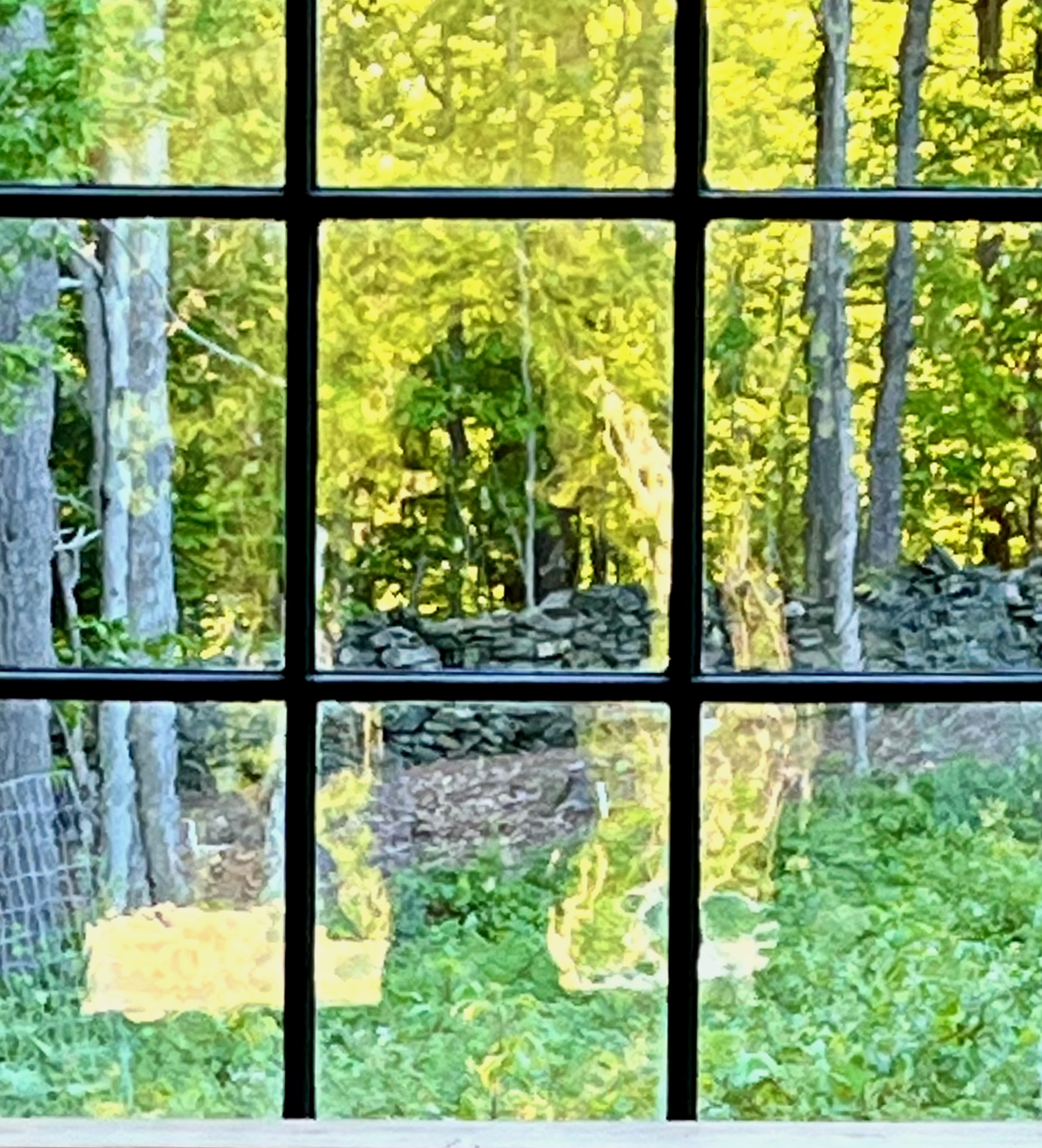 Sughra Raza. Self Portrait in Early Summer, May 2024.

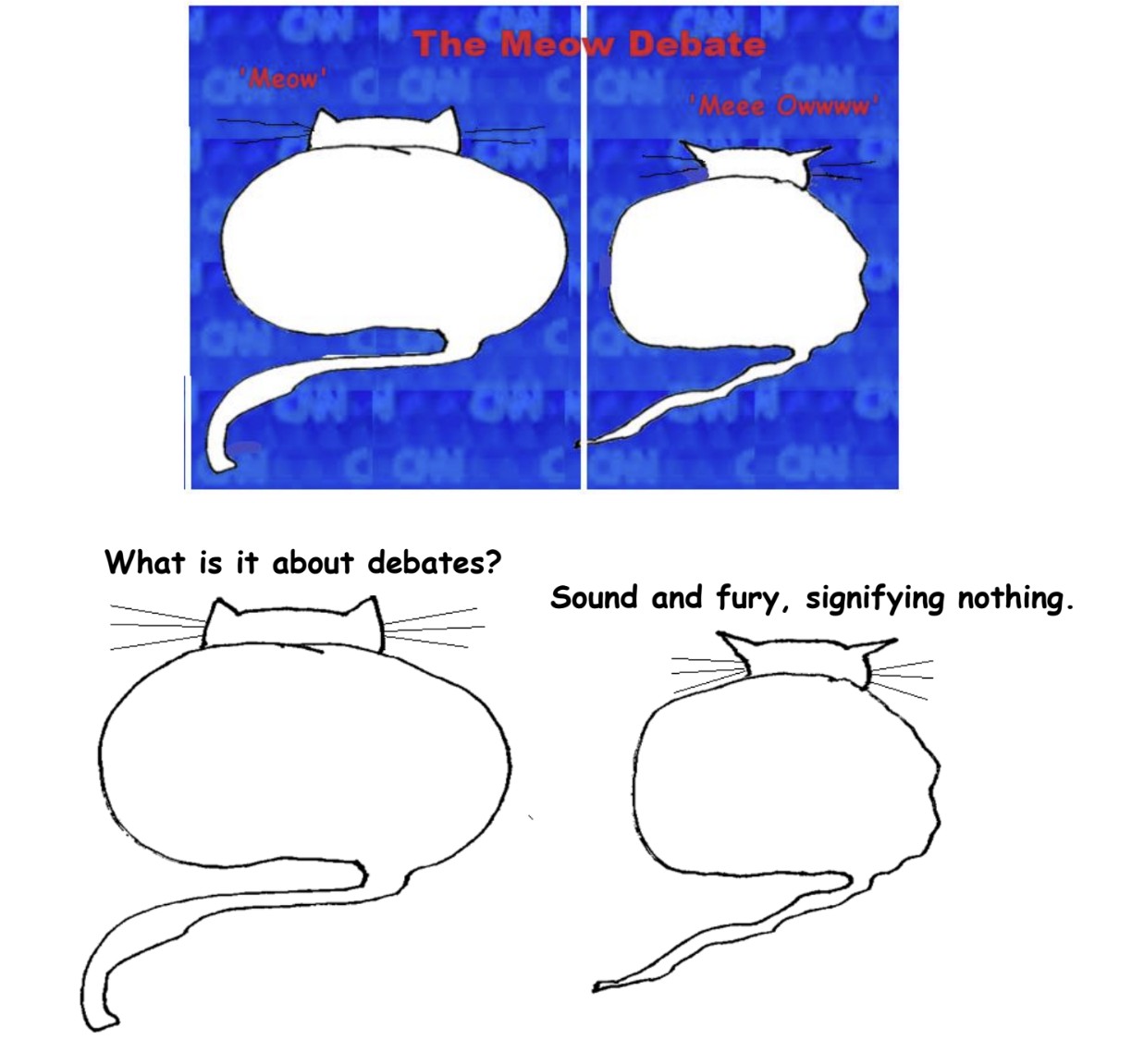

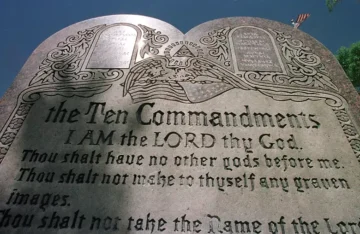 In 1762, Jean-Jacques Rousseau prophetically declared that “we badly need someone to teach us the art of learning with difficulty.” Two hundred and fifty years later, Rousseau’s words seem clairvoyant in their relevancy to schooling in the United States. Education has come to the forefront of the array of issues emerging in the post-Covid era. The abandonment of the alphabet soup of standardized tests, student reliance on Chat GPT, and rampant grade inflation all point to a wider problem. And though some politicians see the Ten Commandments as the solution to classroom troubles, universal progress toward a real solution seems far away. Not that some don’t try.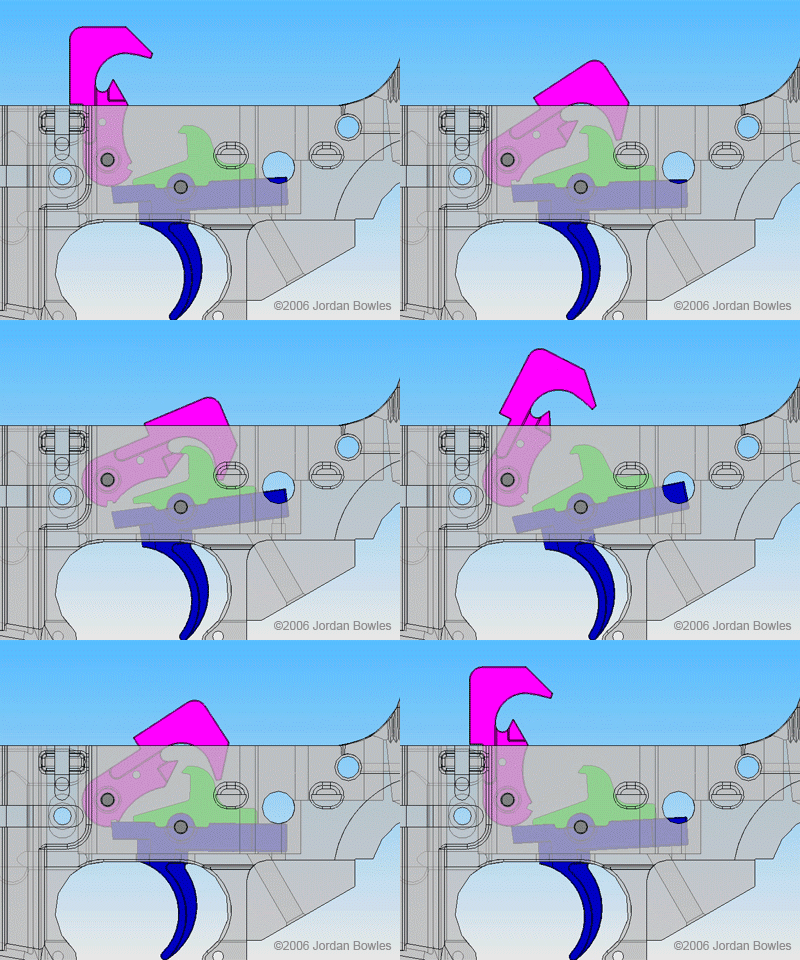



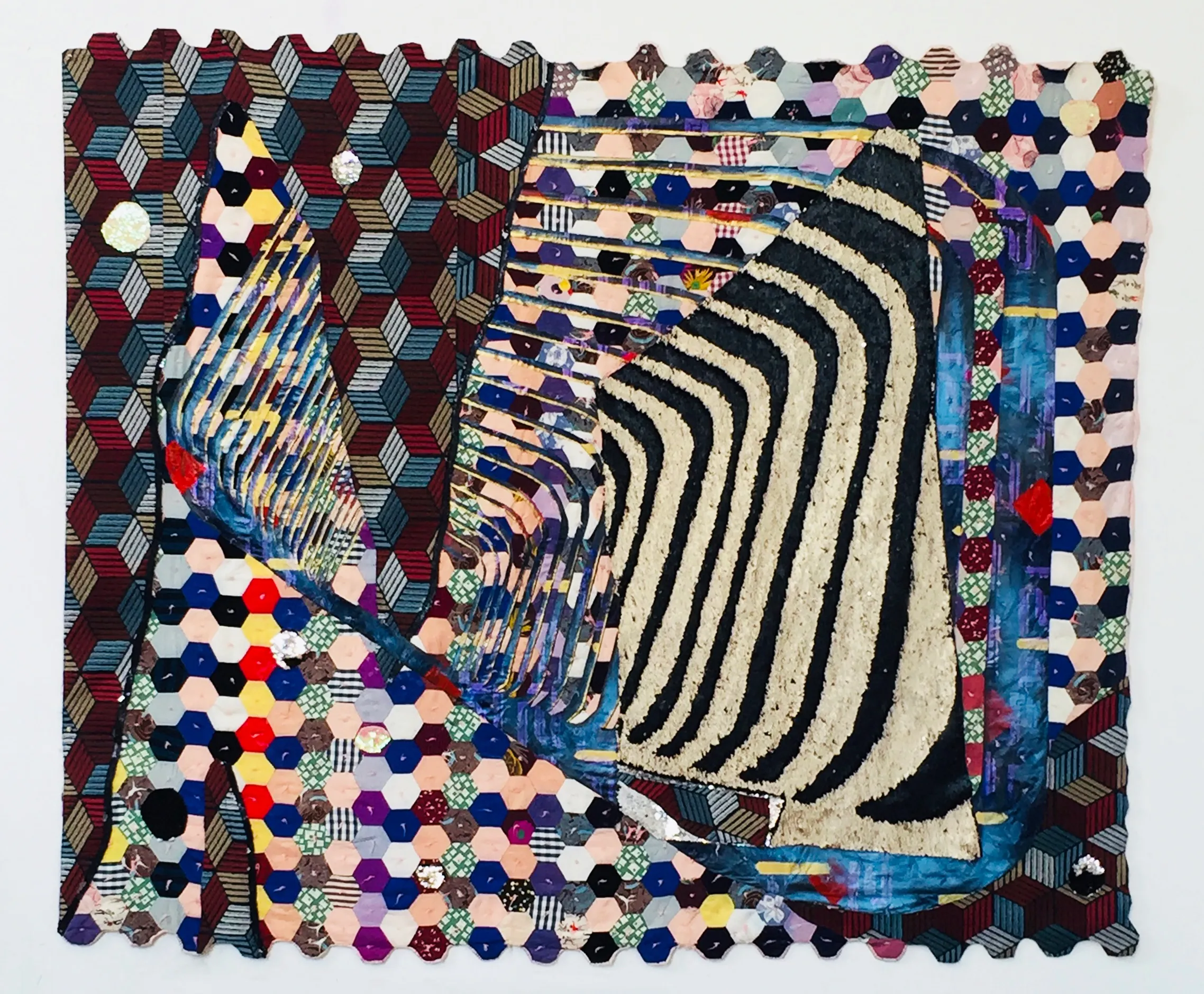 Sanford Biggers. Transition, 2018.
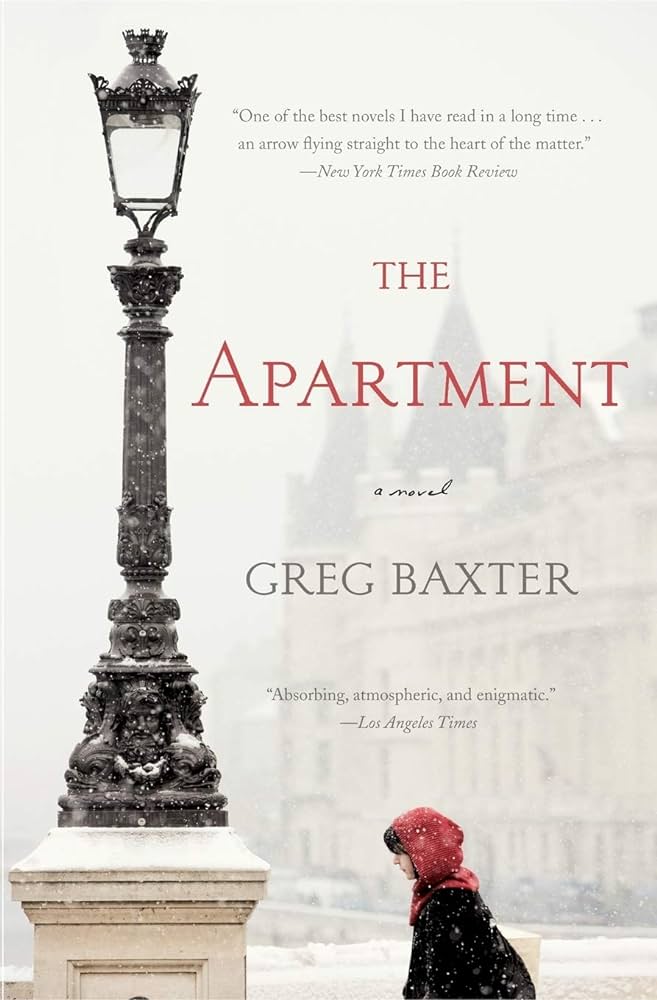 Have you ever read a book that you thought you were going to write? A book that captures something you’ve experienced and wanted to put into words, only to realize that someone else has already done it? The Apartment by Greg Baxter is that book for me.